Interior Designer in Berlin for Expats: Furnish Before You Land
An interior designer in Berlin for expats solves a problem most relocation packages ignore: the apartment you sign for is rarely the apartment you can live in. German rentals often come without a kitchen and without a single light fitting, the furniture you want takes months to arrive, and the tradespeople who install it mostly work in German. Professionals who arrive with a job starting on Monday do not have time to learn all of this on site. This guide explains what a Berlin apartment really needs before you can move in, how the work can be done while you are still abroad, and what it costs to arrive to a home rather than to boxes.
Interior Designer in Berlin for Expats: Why Furnishing Here Is Different
Furnishing an apartment is hard anywhere. In Berlin, three things make it harder for anyone moving from abroad. The first is the housing stock itself: Gründerzeit Altbau buildings with four-metre ceilings and uneven walls, post-war blocks with compact rooms, and new builds that are delivered as empty shells. Each needs a different approach, and furniture bought for a London flat or a New York condo rarely fits any of them.
The second is the supply chain. Quality upholstery, made-to-measure curtains and joinery are produced to order in Germany and the rest of Europe, and lead times of eight to fourteen weeks are normal. If you start ordering after you arrive, you will live with a mattress on the floor for most of your first quarter.
The third is coordination. Electricians, painters, carpenters, delivery teams and building managers all need scheduling, mostly by phone and in German, and within quiet-hour rules that rule out noisy work on Sundays and public holidays. A designer in Berlin takes on that entire layer, which is why the decision to hire one is often less about style than about time.
What a Berlin Apartment Comes Without
The single most common surprise for international clients is how empty "unfurnished" means in Germany. It is worth knowing before you compare listings, because the cost of what is missing can change which apartment is the better deal.
The missing kitchen
Many Berlin rentals are let without a fitted kitchen. Outgoing tenants often take theirs with them or offer it for a transfer fee, and some landlords simply never install one. A kitchen planned for the apartment, rather than bought off a shelf and cut to fit, is the largest single item in most of our Berlin projects. Our article on bespoke kitchen design in Berlin explains why a made-to-measure solution usually outperforms a standard one in these layouts, and where the money goes.
Bare wires instead of lights
Expect a terminal block hanging from the ceiling in every room. Fixed fittings are the tenant's responsibility, and in Germany connecting them, like connecting a cooker, is work for a qualified electrician. This is also an opportunity: when nothing exists, the lighting can be planned properly from the start, with layered light rather than one central pendant. We cover the principles in our guide to lighting strategies for small spaces.
Altbau proportions
Period apartments bring generous ceiling heights, double doors, parquet and often a Berliner Zimmer, the large corner room with a single window onto the courtyard that is notoriously difficult to light and furnish. Standard furniture looks undersized under a 3.8-metre ceiling, and wardrobes cannot go where the stucco and the tiled stove are. If you are considering a period flat, read our piece on Altbau apartment interior design in Berlin before you sign.
Our Projects
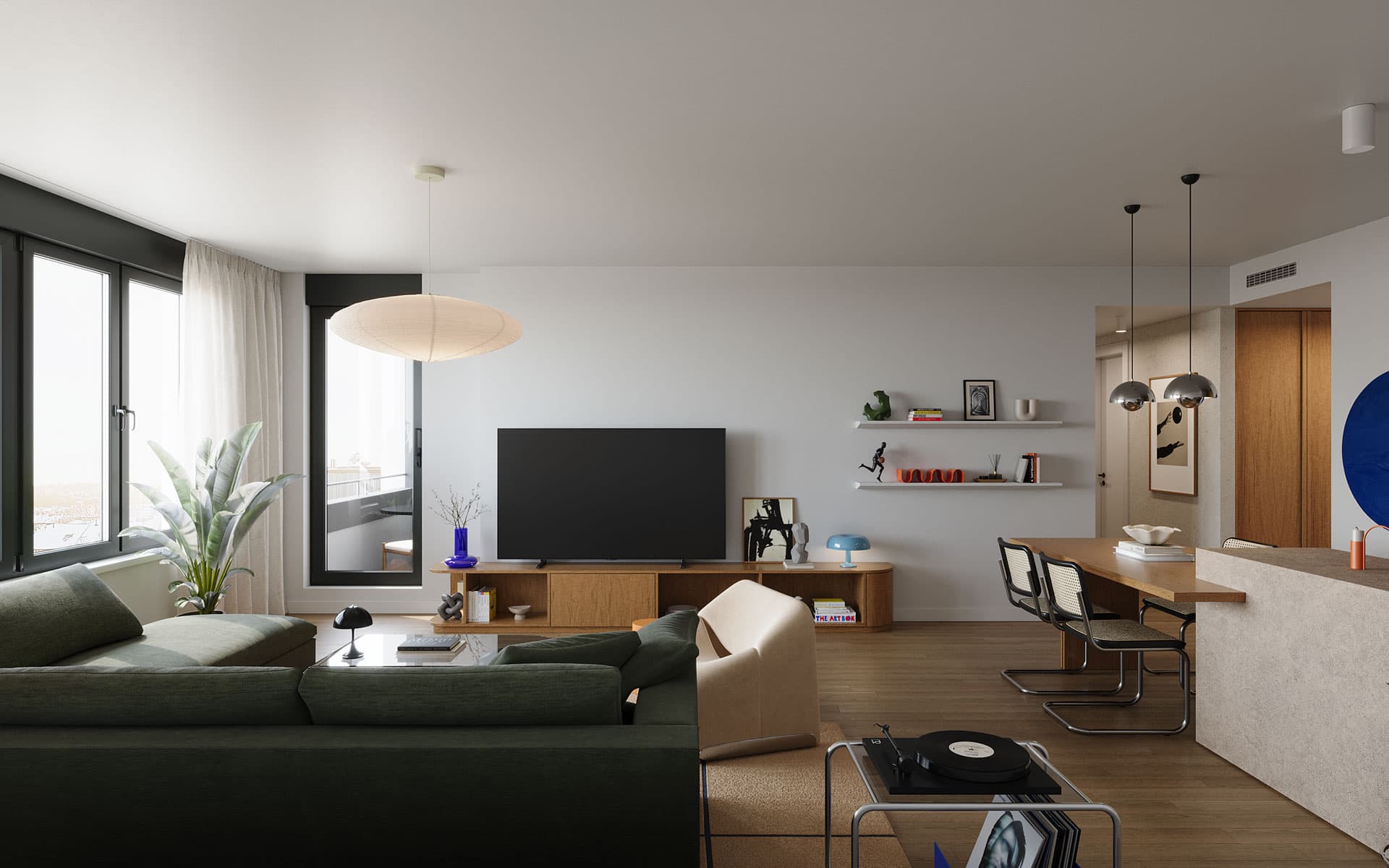
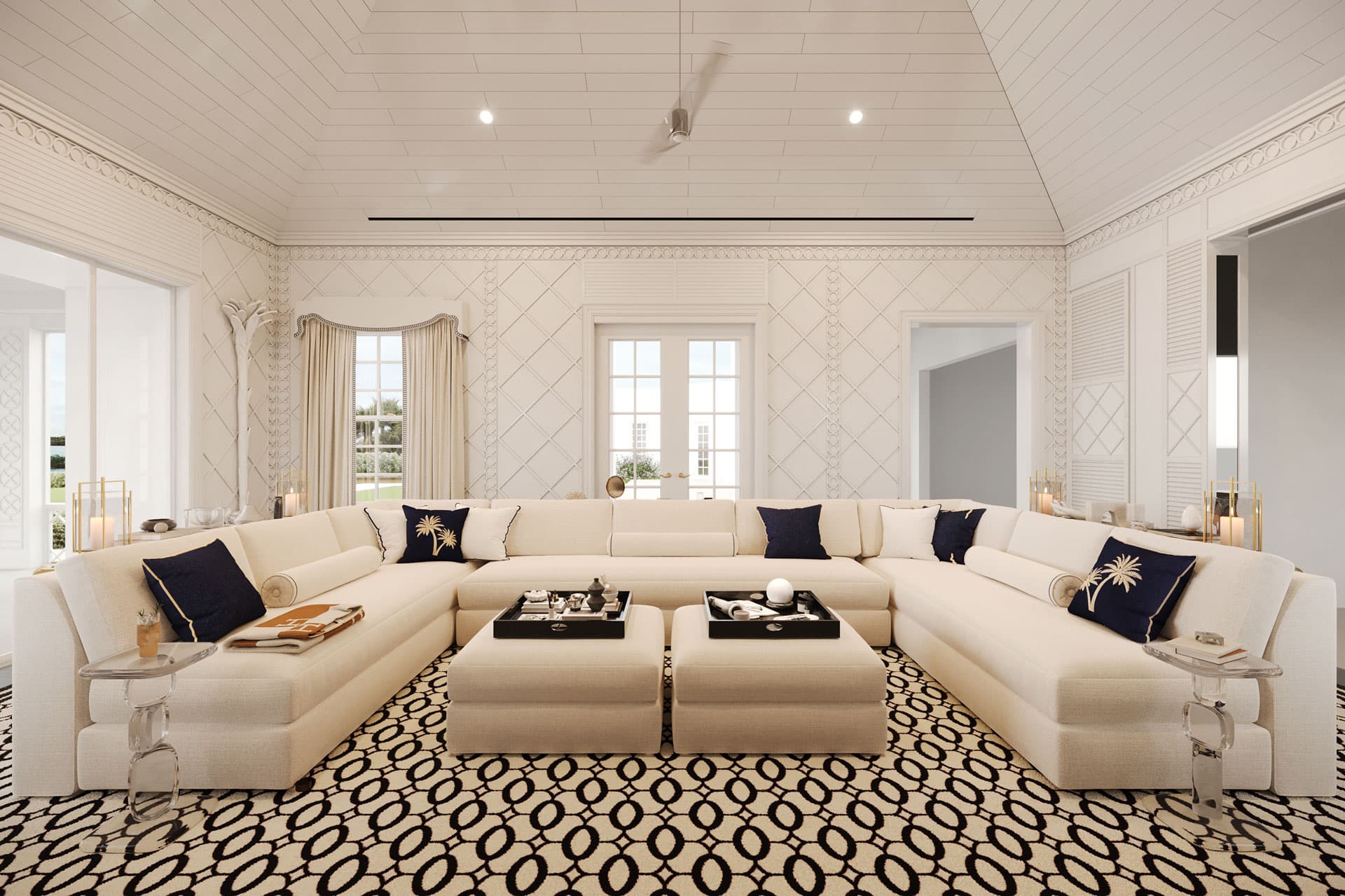
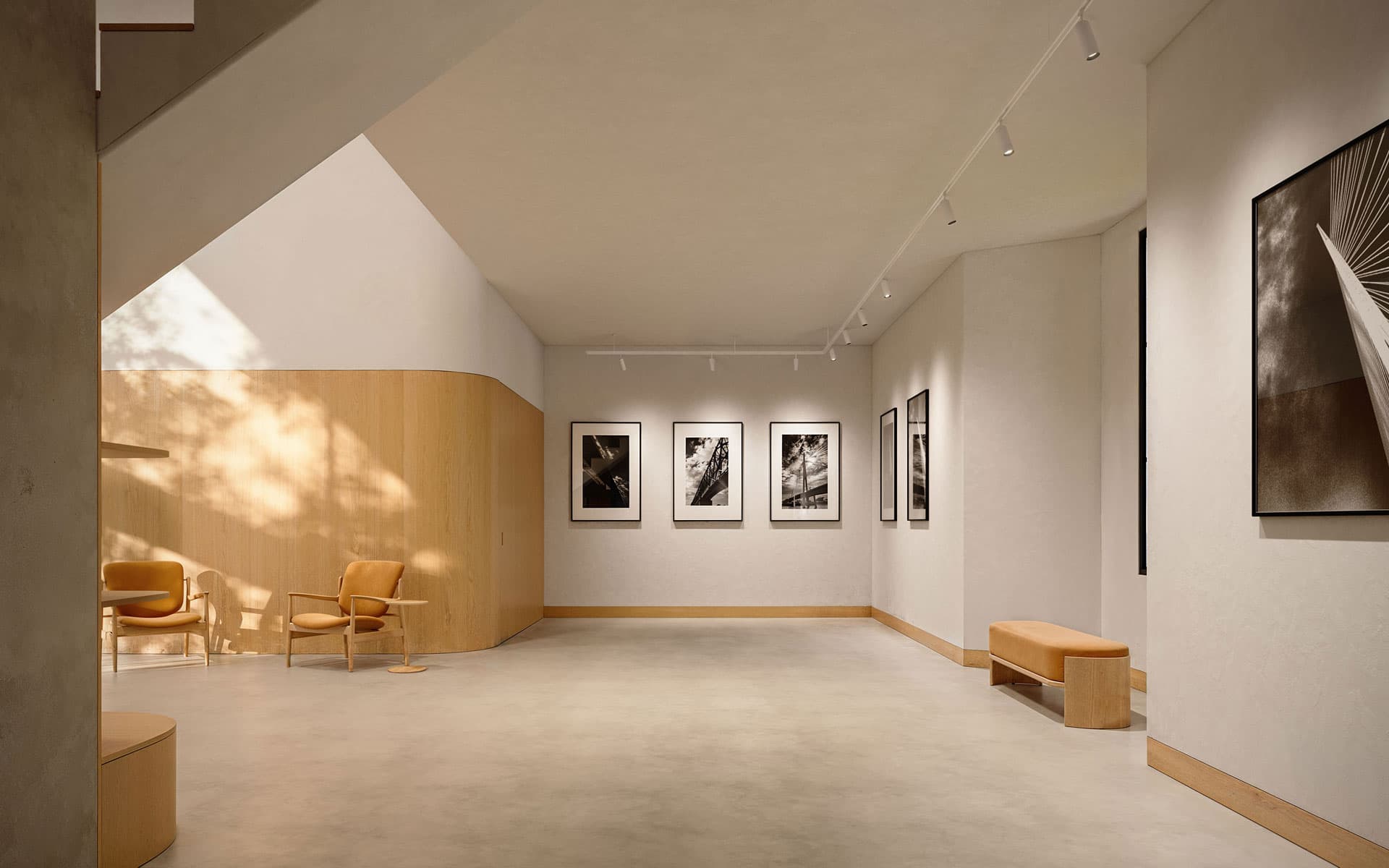
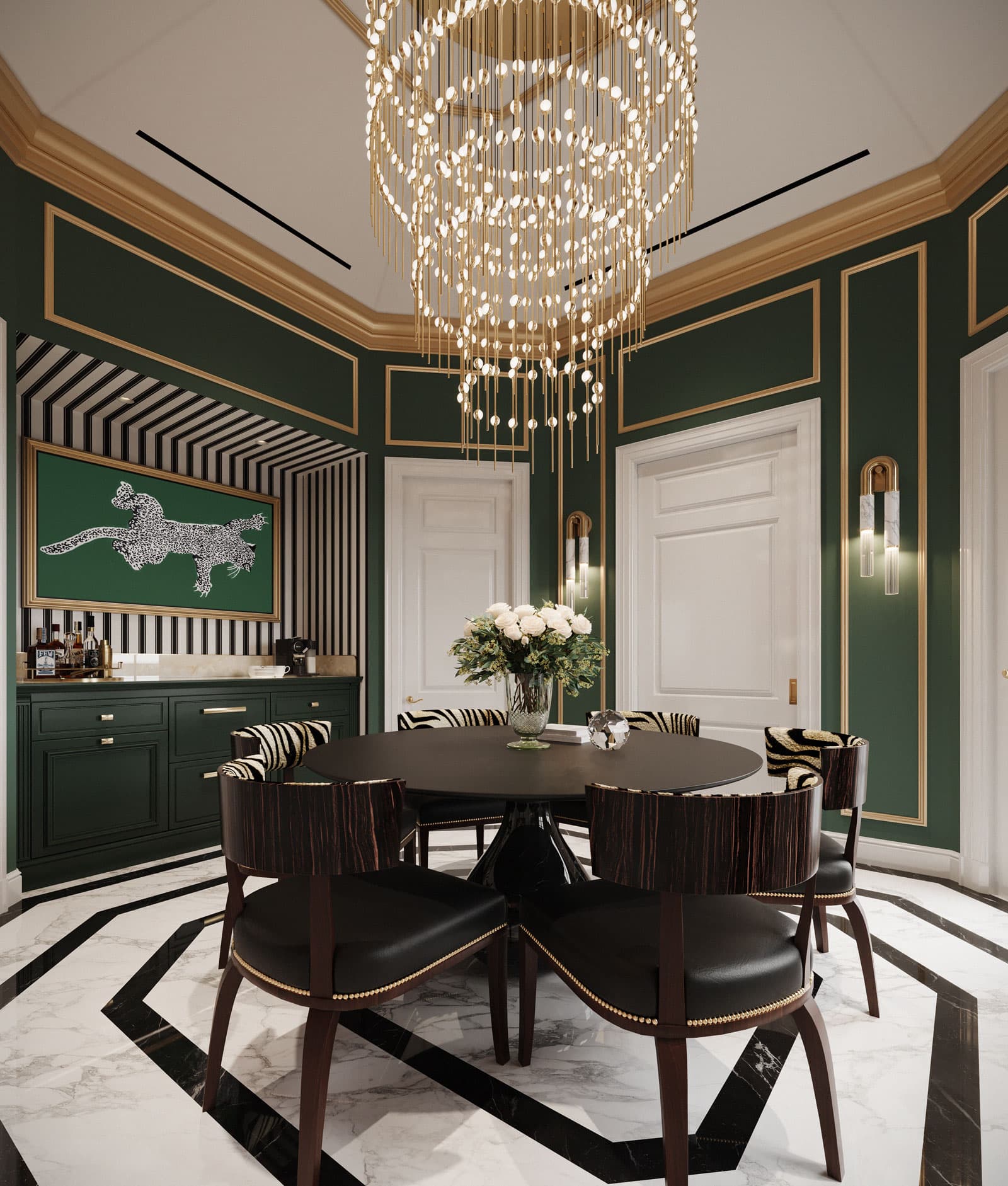
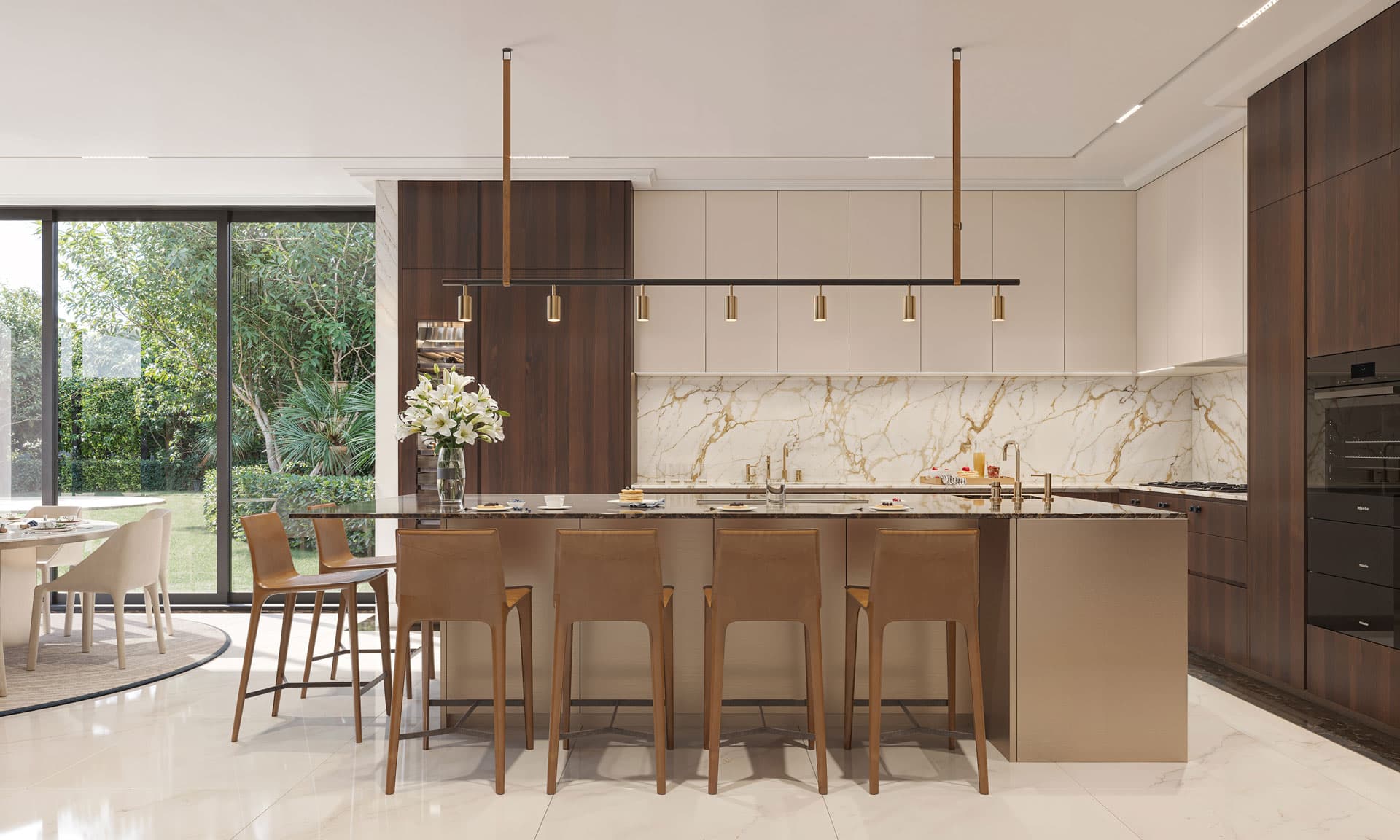
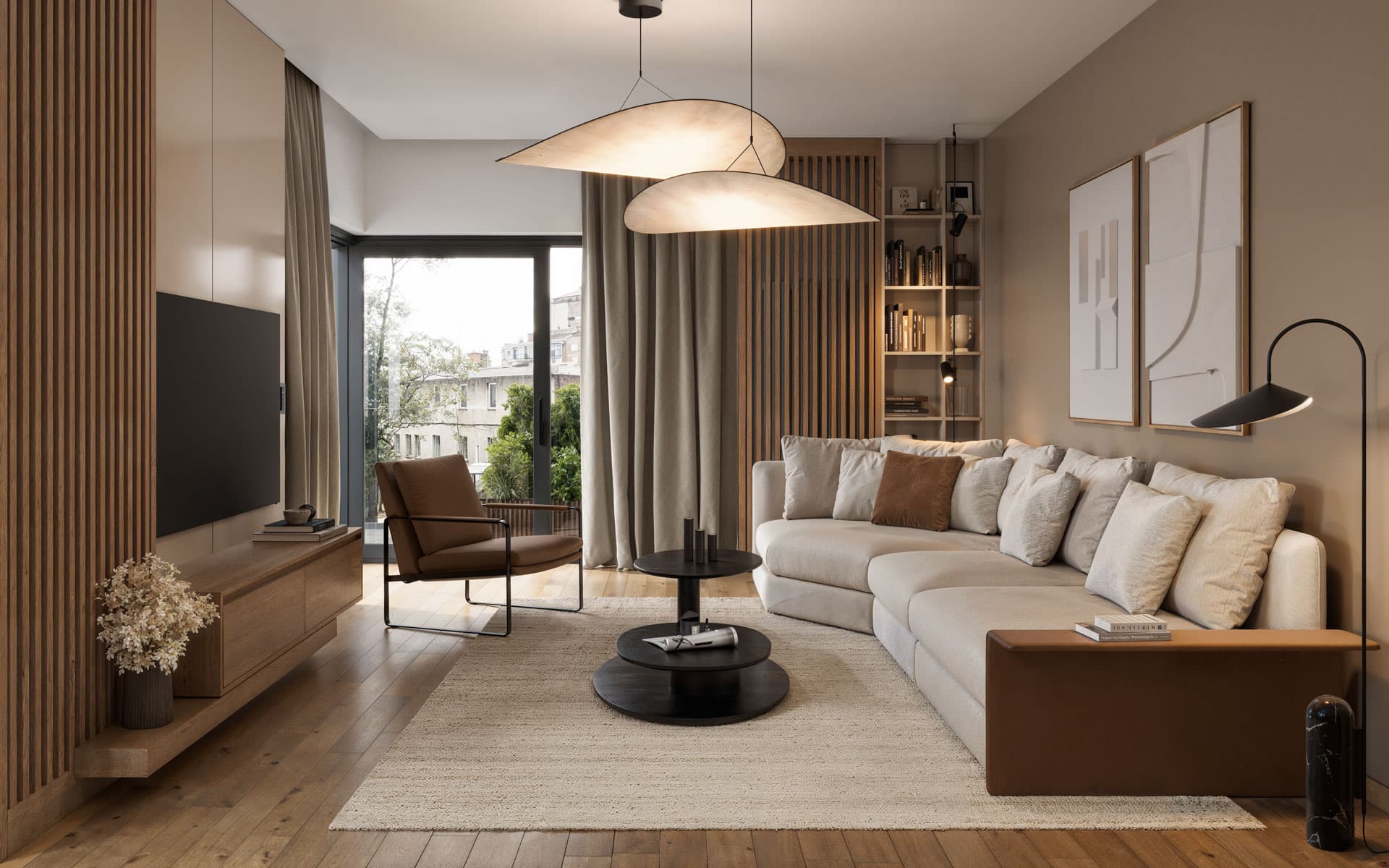
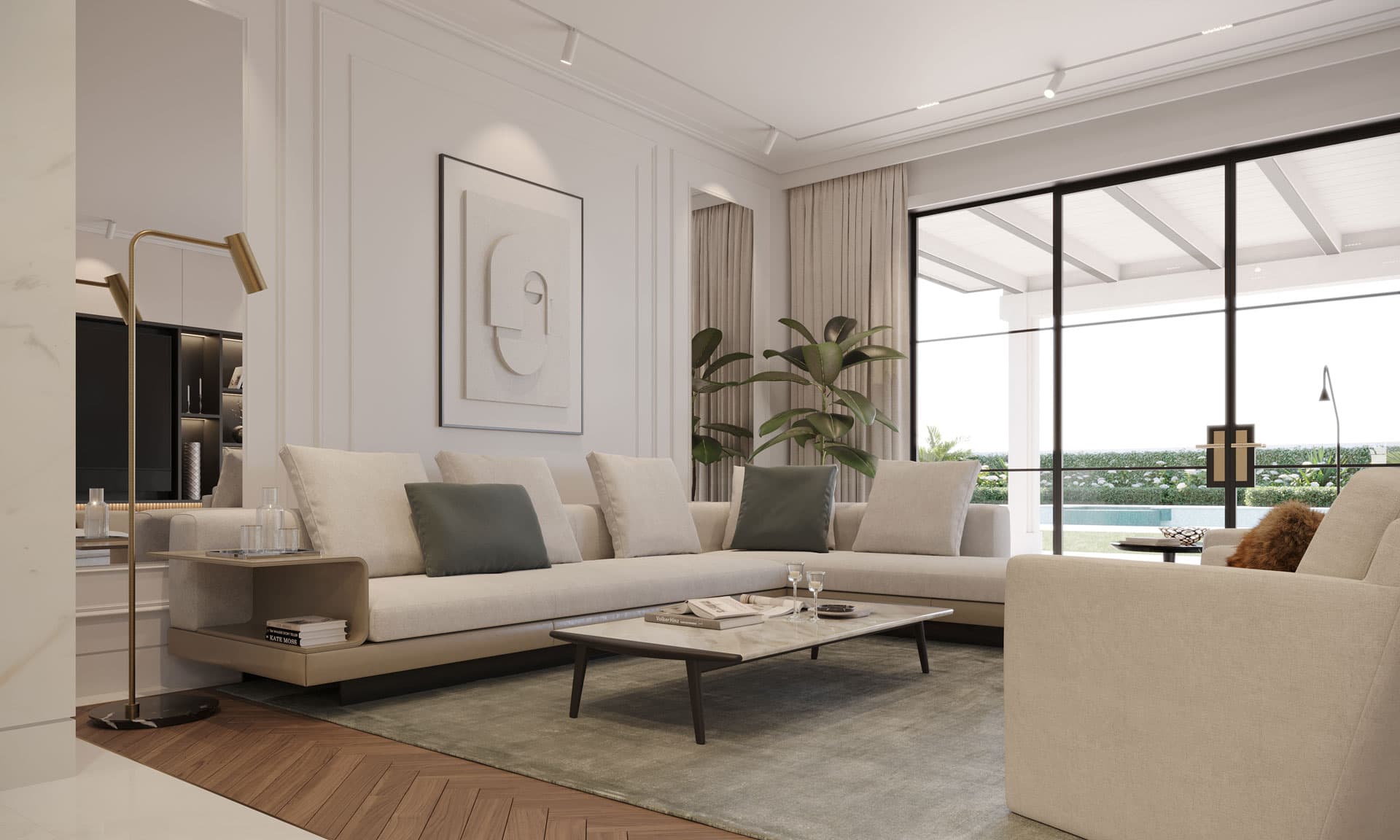
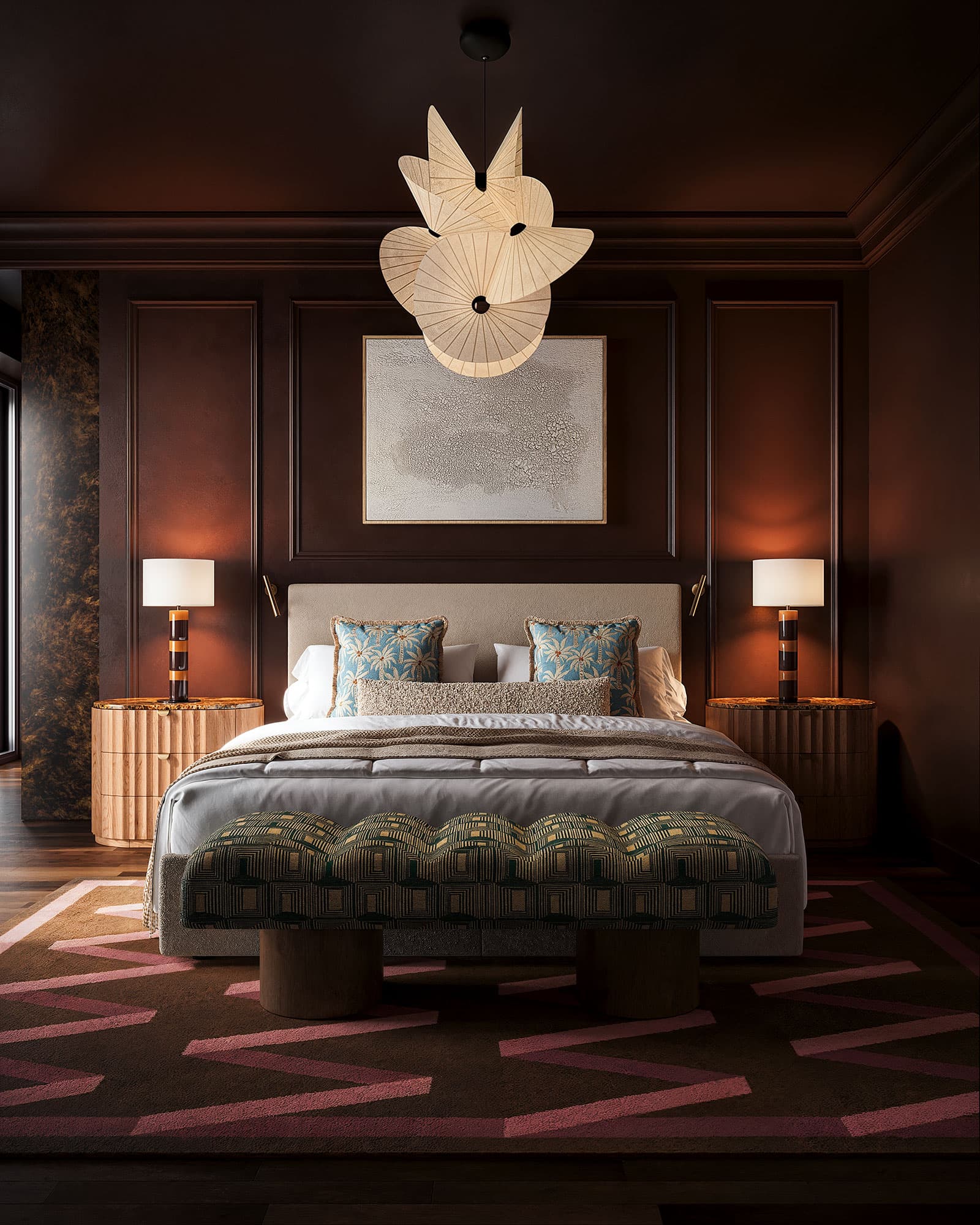
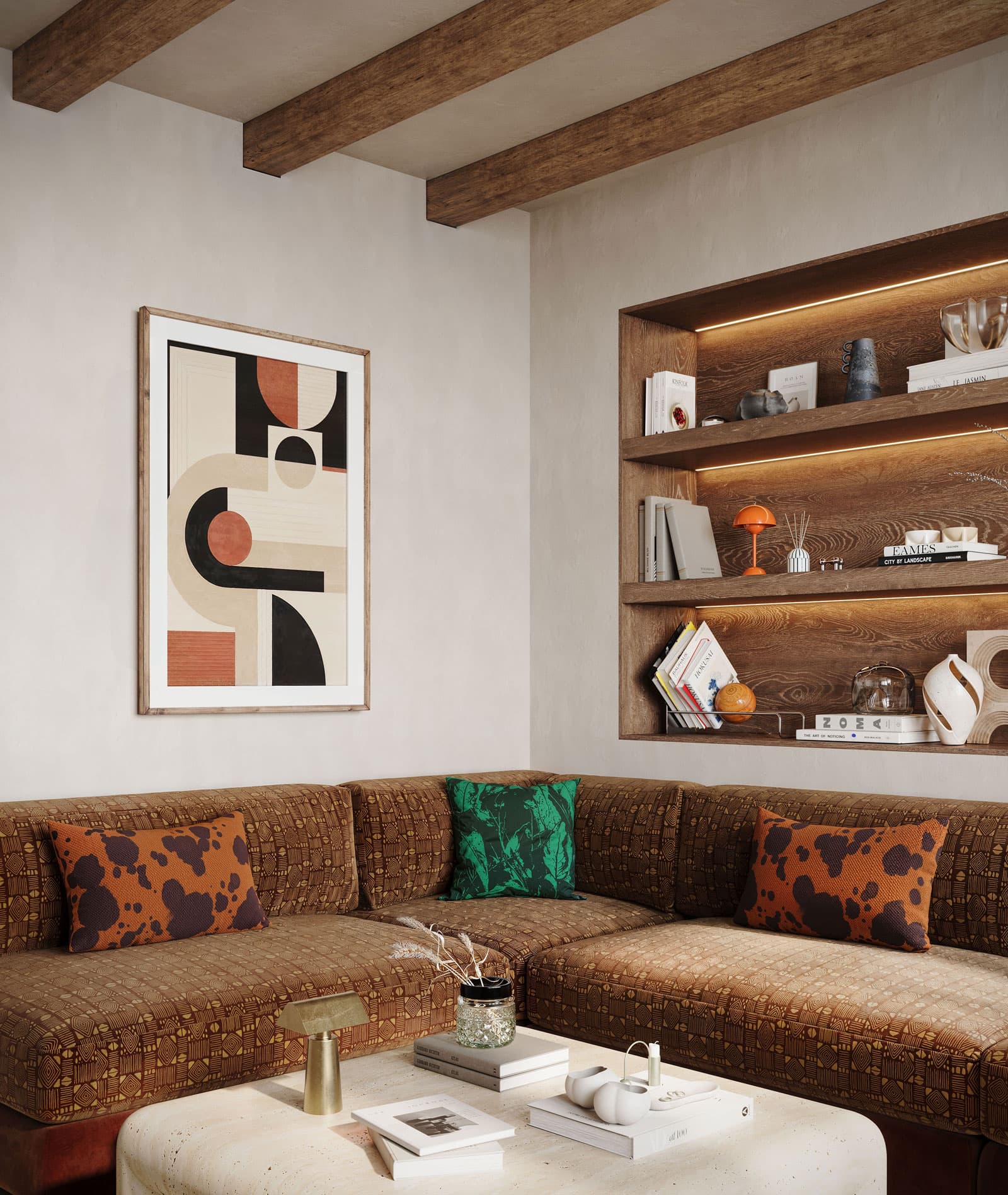
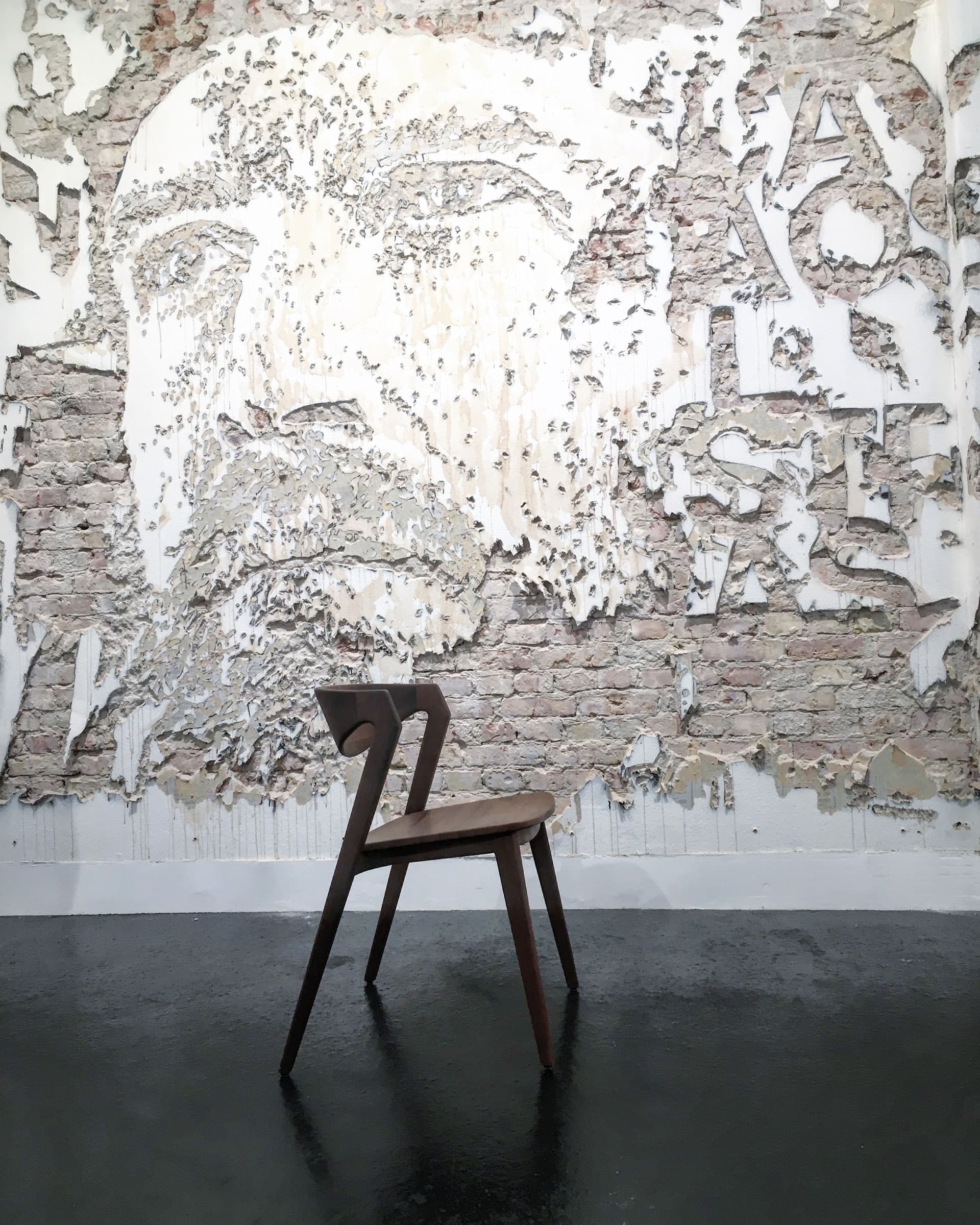
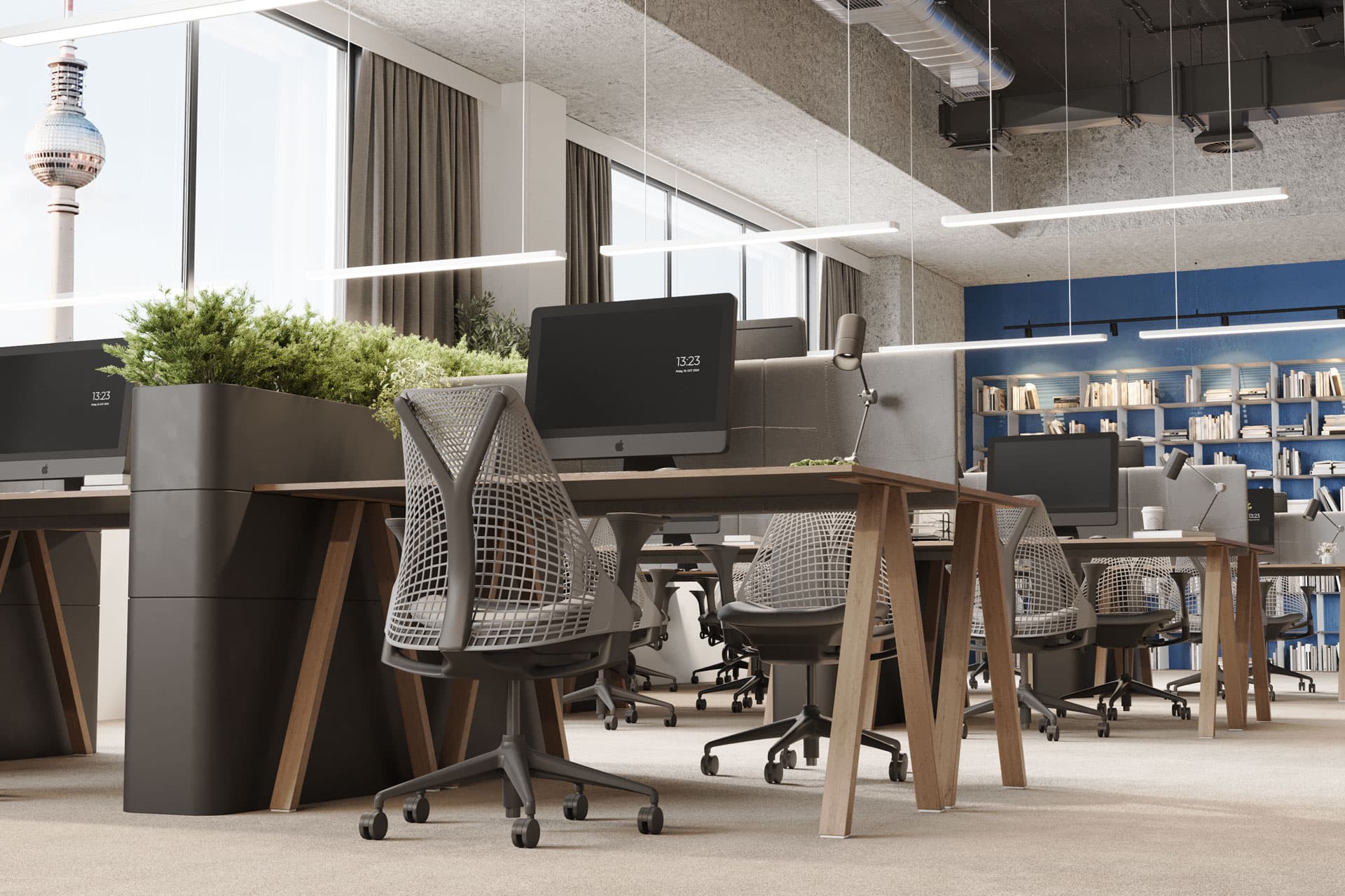
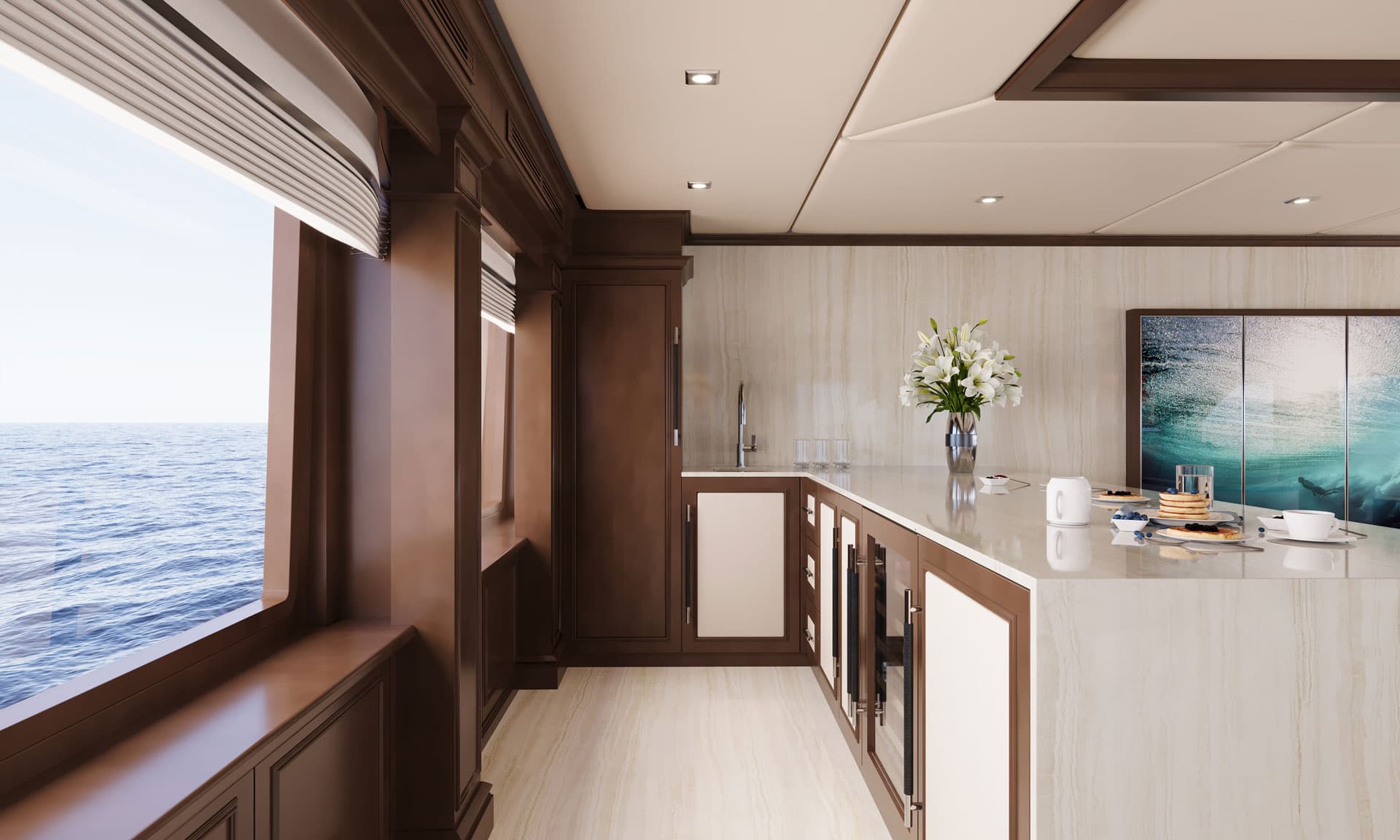
Furnishing a Berlin Apartment From Abroad: How Remote Design Works
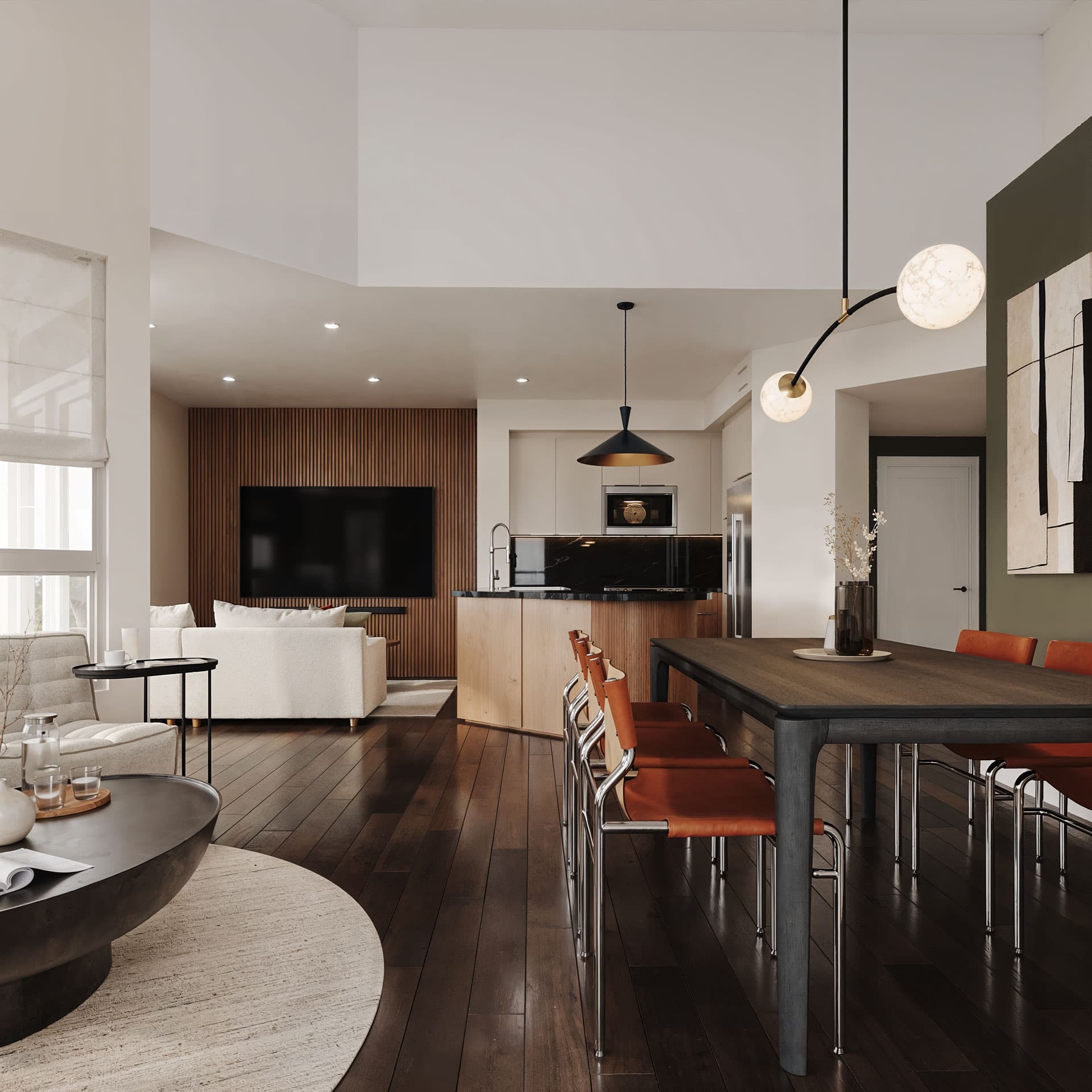
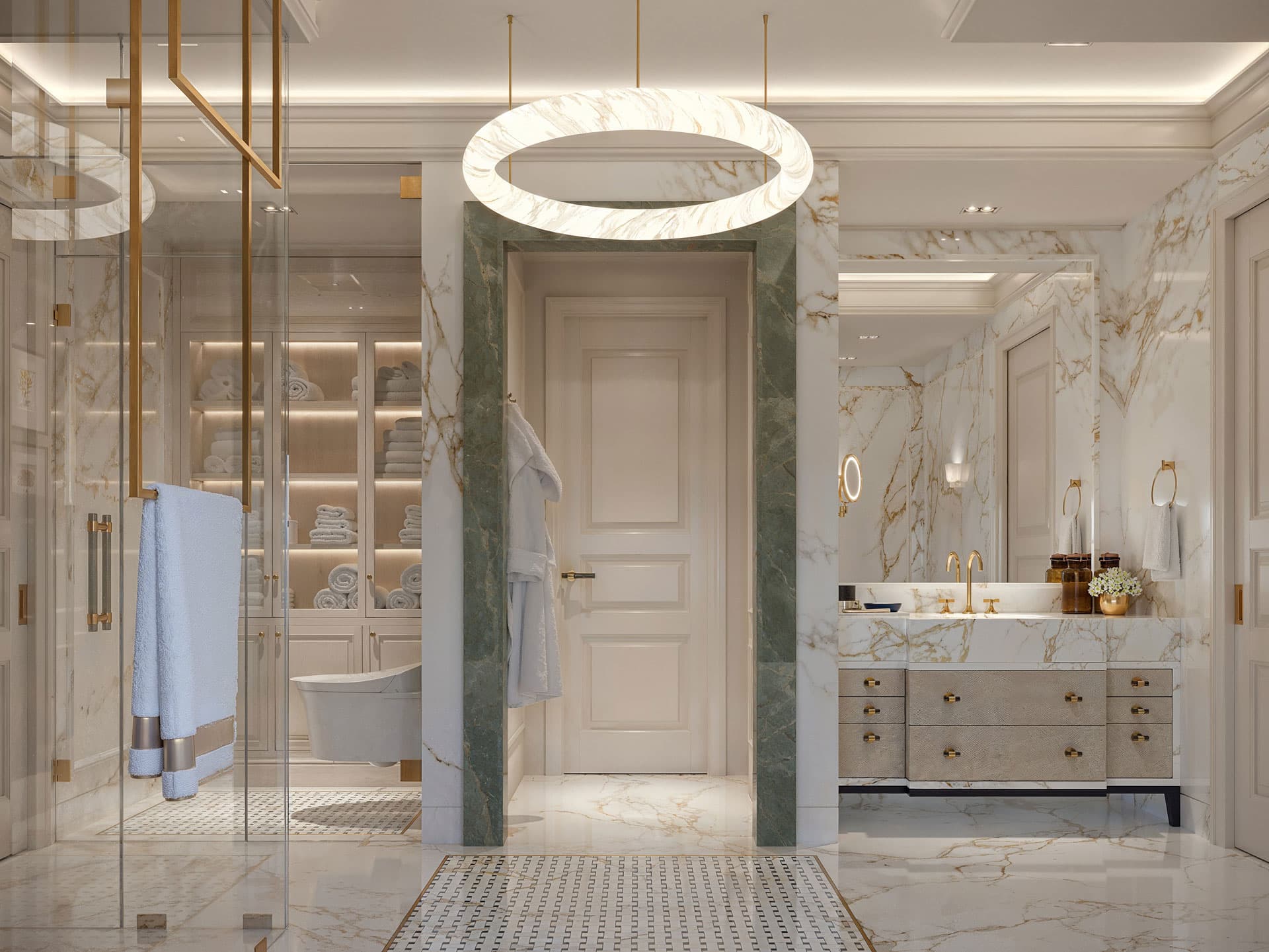
The good news is that almost every part of the design process can happen before you land. Remote project management is standard practice for us, not an exception: we have delivered complete residences such as the Family Home Vero Beach in Florida and the Calabasas Residence in Los Angeles from our Berlin studio, with site visits only at key milestones. A Berlin apartment for a client who is still abroad is the same process in reverse, with our team on site and the client on video.
Survey and brief
Once you have the keys, or the landlord's permission to visit, we measure the apartment, photograph every wall and record ceiling heights, sockets, radiators and window positions. In parallel we hold a briefing call: how you live, how long you plan to stay, what you are shipping from home and what should be left behind.
Concept and 3D visualisation
You receive a floor plan with every piece of furniture placed to scale, 3D renderings of the main rooms and a material and colour concept. Because you cannot walk through the space yourself, the renderings carry more weight than in a local project, and we produce them from the measured survey so that what you see is what will fit.
Samples, reviews and sign-off
Fabric, wood and stone samples can be couriered to you, or presented on camera in daylight in the actual room. Decisions are made in short, structured video reviews rather than long email chains, and nothing is ordered until you have signed off in writing. The structure matters more than the technology: at every stage you know what is decided, what is pending and what happens next.
Renting or Buying in Berlin: What You Are Allowed to Change
What a designer can do depends heavily on whether you rent or own, and the rules are stricter than many newcomers expect.
- Renting: hanging pictures, fitting lights and furnishing freely are normal. Fixed joinery, new flooring or structural changes need the landlord's written consent, and many leases expect walls to be returned in neutral tones. We read the lease clauses before specifying paint or built-ins, and we design fitted pieces so they can be removed and taken to your next home.
- Buying: in a condominium, anything that touches common property, such as windows, the facade, load-bearing walls or main pipes, needs the approval of the owners' association. Interior work within your unit is far freer, which makes the period after purchase the best moment to plan everything at once.
- Furnished rentals and pieds-à-terre: owners who let their apartment while abroad need durable, easily maintained finishes and a precise inventory. We plan both from the start.
For clients buying a period apartment, our Altbau interior design service covers the additional questions of listed features, old electrics and floor restoration.
A Realistic Timeline: From Signed Lease to Finished Home
The most valuable thing a designer gives a relocating client is a schedule that ends on the day they arrive. For a full furnishing project without construction work, the sequence typically runs like this:
- Weeks 1 to 2: survey, briefing call and budget agreement.
- Weeks 3 to 5: concept, floor plan, 3D renderings and material samples, with one or two rounds of revisions.
- Weeks 6 to 7: final specification, quotations and ordering. Long-lead items such as kitchens, upholstery and curtains are ordered first.
- Weeks 8 to 16: production and deliveries, with electricians, painters and carpenters scheduled around them.
- Final week: installation, styling and a walkthrough, in person or on video.
That puts a completely furnished apartment at roughly three to four months from the start of design. If a relocation date is fixed, we plan backwards from it and say clearly at the outset what is realistic. Where it is tight, we prioritise the rooms you need on the first night, the bedroom, bathroom and kitchen, and complete the rest once you are there. If the project includes renovation work, such as a new kitchen or bathroom, allow six months or more.
What It Costs to Furnish a Berlin Apartment With a Designer
Two budgets matter: the design fee and the furnishing budget itself. At House of Nuances, the design fee for design and furniture selection starts at €90 per square metre including VAT, which covers the concept, 3D renderings and two rounds of revisions. Contractor management, ordering and delivery handling, which most clients abroad need, are added to that rate and confirmed in writing after the first consultation. Our interior design pricing page sets out the full structure.
The furnishing budget depends far more on the apartment and your expectations than on the fee. A kitchen, lighting and window treatments are the items most often missing in a Berlin rental, and they should be budgeted before the sofa. The quality of what you buy determines whether it moves with you to your next city or stays behind, which is why we steer clients towards materials that age well over pieces chosen to fill a room quickly.
A designer also saves money in less visible ways: furniture that fits the first time, no returns across borders, no idle days for tradespeople, and no second round of purchases once you discover what the apartment actually needs.
Arriving to a Finished Home: Handover and Aftercare
The goal of a remote project is simple: you open the door, and the apartment is ready. Beds are made, lamps work, the kitchen is installed and the curtains close. On handover, you receive a digital file with every product, finish, warranty and care instruction, which matters more than it sounds when you do not yet know which German supplier to call about a scratched worktop.
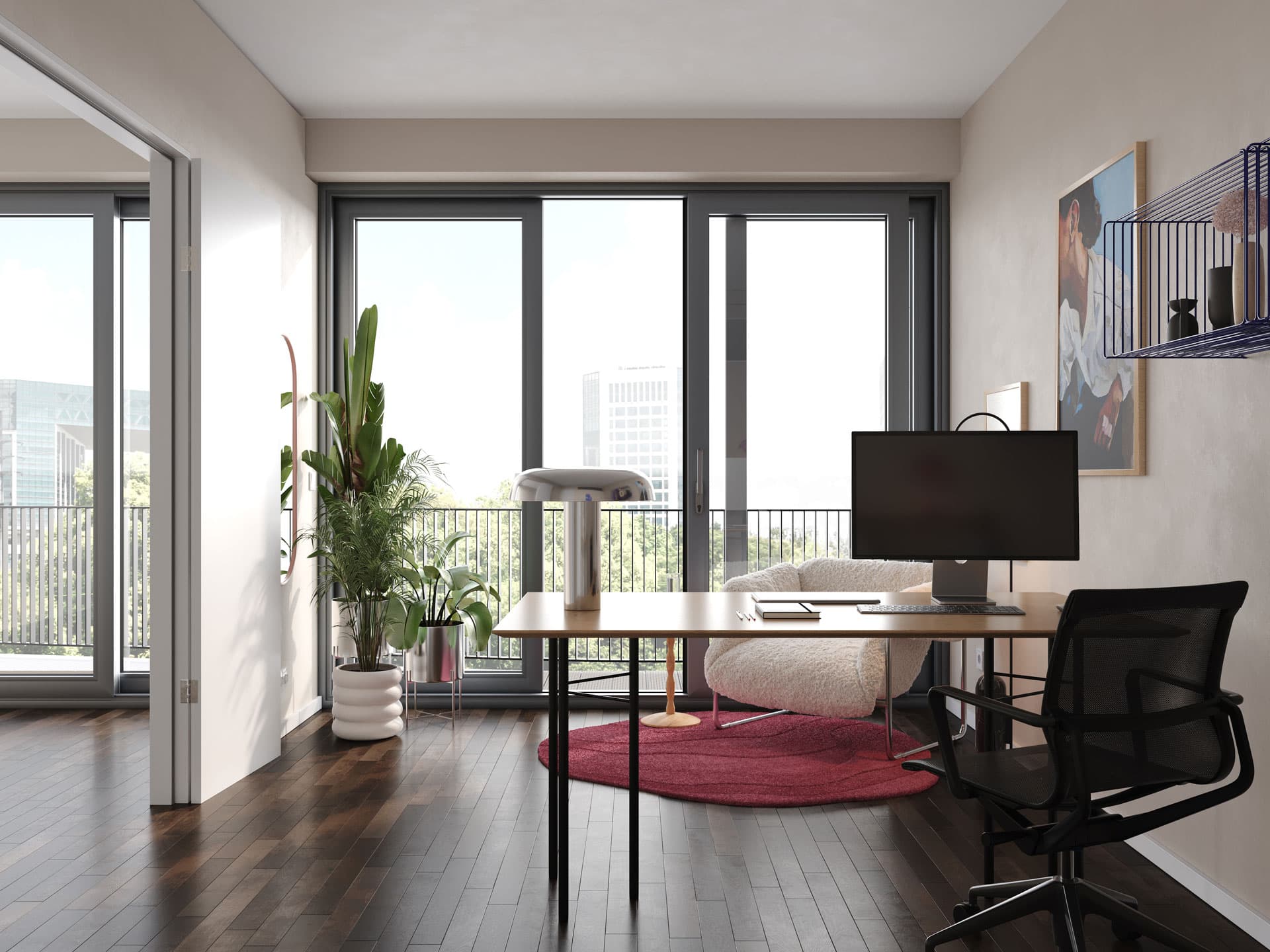
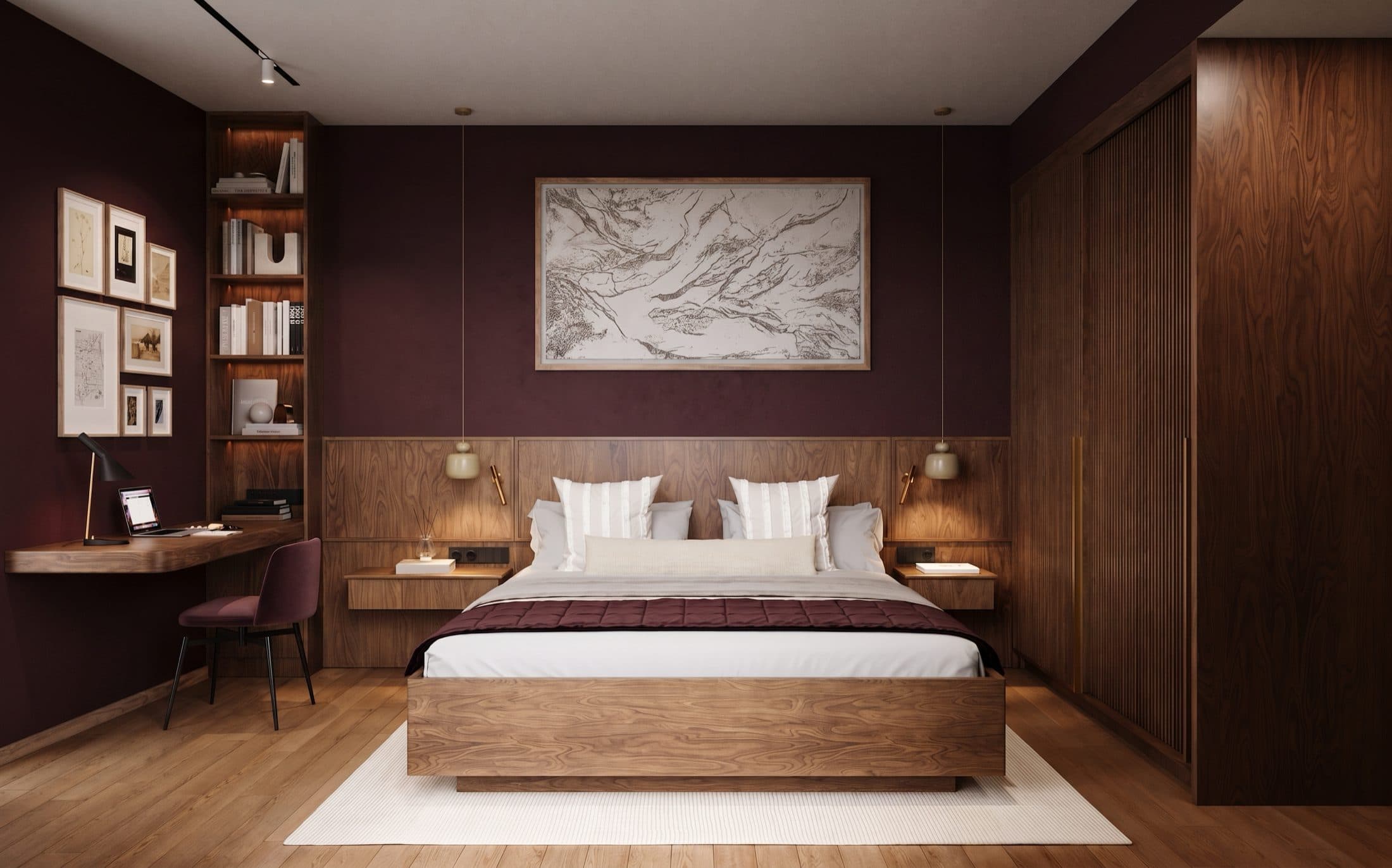
Our Berlin Home Office project shows the level of resolution we aim for even in a single room: a full-width worksurface, flush storage and layered lighting planned around the daylight, so the room works on the first working day. In the Berlin Bedroom, the colour was chosen by observing the room's northern light across a full day. That kind of decision can be made for you while you are still on another continent, because our team is in the room.
Once you have lived in the apartment for a season, small adjustments, an additional reading light, a rug for the hallway, art for the empty wall, are easy to add. Our interior design service in Berlin covers everything from a single room to a complete home.
Frequently Asked Questions
Can an interior designer furnish my Berlin apartment before I arrive?
Yes. The survey, design, sample review, ordering and installation can all be completed while you are abroad. You approve every decision on video calls and from 3D renderings, and the apartment is finished and handed over when you arrive.
How long does it take to furnish an apartment in Berlin?
A full furnishing project without construction typically takes three to four months, because bespoke and upholstered furniture in Germany has lead times of eight to fourteen weeks. Projects that include a new kitchen or bathroom renovation take six months or more.
Why do Berlin apartments come without a kitchen?
In Germany, unfurnished rentals are often let without a fitted kitchen, and previous tenants frequently remove theirs or offer it for a transfer fee. Light fittings are usually missing too. Both should be budgeted before you compare apartments.
How much does an interior designer in Berlin cost for an expat apartment?
At House of Nuances, design and furniture selection starts at €90 per square metre including VAT. Contractor management, ordering and delivery, which most clients abroad need, are added and confirmed in writing after a free first consultation.
Relocating to Berlin and want to arrive to a finished home? Book a free first consultation, on video from wherever you are now, or explore our projects to see how we work.
Moving to Berlin?
Tell us your arrival date, and we will tell you what can be ready by then. The first consultation is free and takes place on video, wherever you are now.