Lighting Strategies for Small Spaces

Lighting design holds transformative power in small spaces, capable of visually expanding rooms, enhancing functionality, and creating ambiance that belies limited square footage. Through strategic illumination, even the most compact apartments and rooms can feel open, airy, and infinitely more livable. Understanding the interplay between natural and artificial light, along with advanced layering techniques, allows us to craft spaces that feel considerably larger than their actual dimensions.
Understanding Light in Compact Environments
Small spaces present unique lighting challenges. Limited wall space restricts fixture placement, while careful consideration must be given to avoid cluttering already tight quarters. However, these constraints also create opportunities for creative solutions that enhance both the perceived size and functionality of a room.
The fundamental principle is this: well-lit spaces appear larger and more inviting than dimly lit ones. But achieving this requires more than simply installing brighter bulbs. It demands a thoughtful approach to how light is distributed, reflected, and experienced throughout the space.
Maximizing Natural Light
Natural light is your most valuable asset in small spaces. Before addressing artificial lighting, optimize every opportunity for daylight to enter and move through your space. In our Berlin Bedroom project, we removed heavy window treatments and replaced them with sheer linen curtains, instantly transforming the room's perceived size.
Window Treatment Strategies
Select window treatments that can be completely retracted during daylight hours. Ceiling-mounted hardware extends above the window frame, creating the illusion of taller windows and allowing maximum light penetration. Choose lightweight fabrics in neutral tones that filter rather than block daylight.
Reflective Surfaces
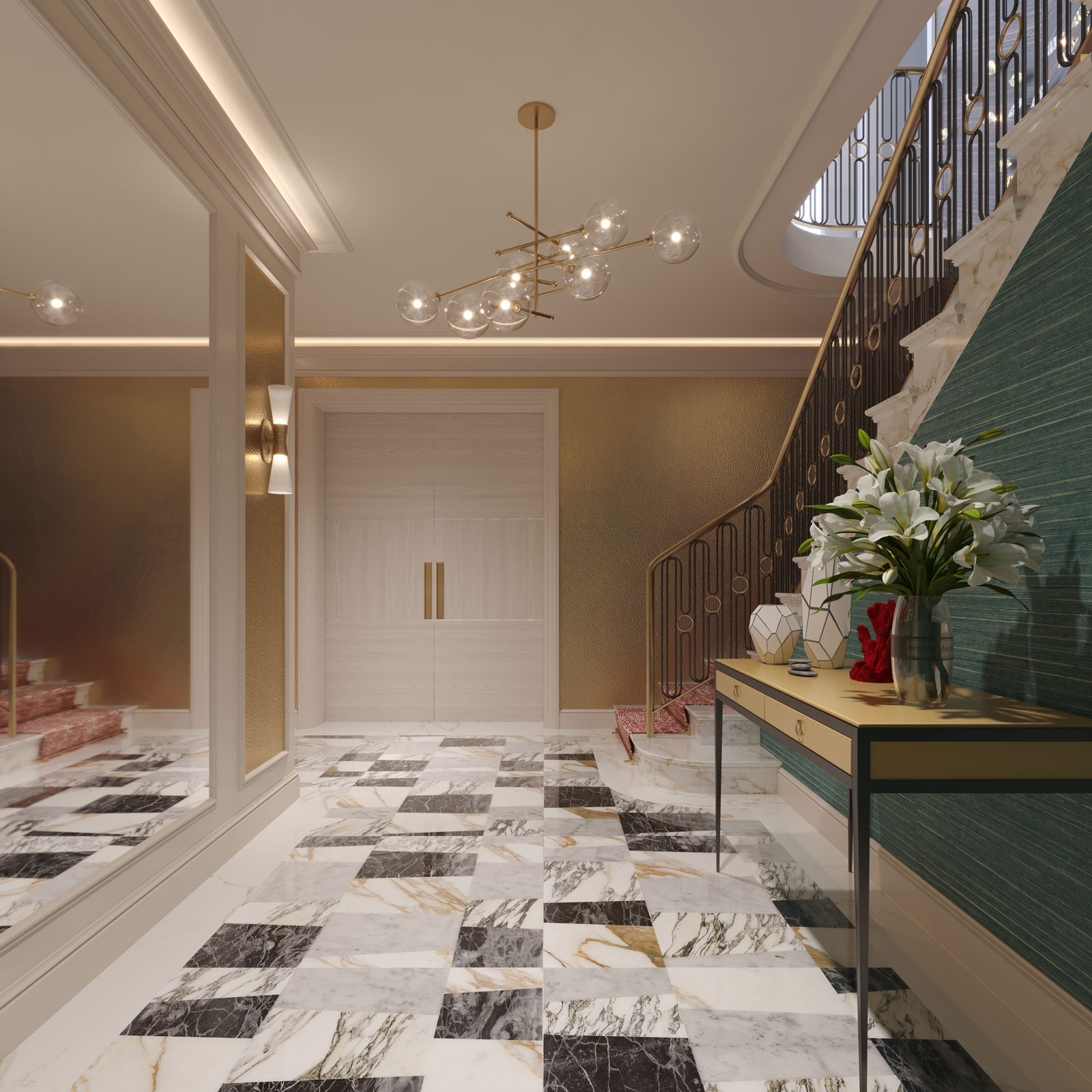
Strategic placement of mirrors and reflective surfaces amplifies available natural light. Position mirrors opposite or adjacent to windows to bounce light deeper into the room. In the Dorcol Apartment, we installed a full-height mirror on a narrow wall perpendicular to the windows, effectively doubling the perceived light and space.
The Three-Layer Lighting Approach
Professional lighting design relies on layering three distinct types of illumination: ambient, task, and accent lighting. In small spaces, this layering becomes even more critical, as it creates depth and dimension that counteracts the room's physical limitations.
Ambient Lighting: The Foundation
Ambient or general lighting provides overall illumination. In small spaces, avoid central ceiling fixtures that draw attention to the room's compact size. Instead, consider these alternatives:
- Recessed Lighting: Flush-mount recessed fixtures preserve ceiling height while providing even illumination. Space them evenly and consider dimmable LED options.
- Cove Lighting: Indirect lighting hidden in architectural details creates ambient glow without visible fixtures, making ceilings appear higher.
- Wall Washers: Fixtures that cast light across walls create the impression of expanded space by eliminating dark corners.
Task Lighting: Functional Precision
Task lighting serves specific activities without illuminating the entire space. This selective approach conserves energy while creating visual interest through light and shadow. Consider:
- Reading Lights: Swing-arm wall sconces or adjustable floor lamps provide directed light without occupying floor space.
- Kitchen Under-Cabinet Lighting: LED strips beneath cabinets illuminate work surfaces while creating depth.
- Desk Lamps: Select compact, adjustable designs that provide adequate illumination without overwhelming the space.
Accent Lighting: Creating Depth and Drama
Accent lighting highlights architectural features, artwork, or decorative elements, creating focal points that add dimension. In small spaces, this layering prevents the flat, one-dimensional feel that uniform lighting creates.
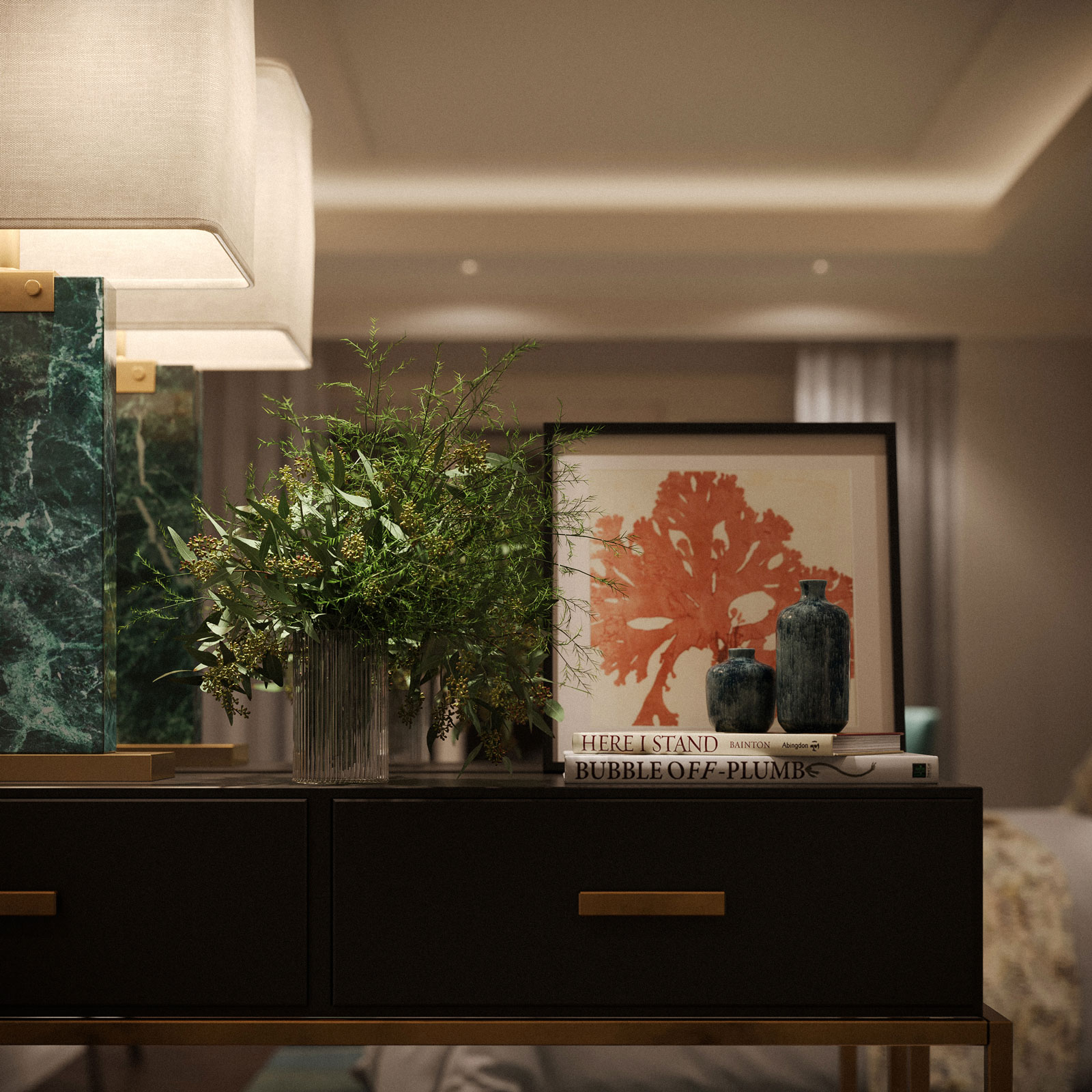
Picture lights, directional spotlights, or LED strip lighting can emphasize vertical space, drawing the eye upward and creating the perception of height. In our Midcentury Apartment, we used narrow-beam spotlights to highlight ceiling-height bookshelves, making the low-ceilinged space feel more expansive.
Color Temperature Considerations
The color temperature of your lighting significantly impacts how space is perceived. Measured in Kelvins (K), color temperature ranges from warm (2700K-3000K) to cool (5000K-6500K).
For small spaces, consider warm white (2700K-3000K) in living areas and bedrooms to create cozy, inviting atmospheres. In kitchens and bathrooms, slightly cooler temperatures (3500K-4000K) provide clarity without feeling clinical. Avoid mixing drastically different color temperatures within a single space, as this creates visual fragmentation.
Strategic Fixture Placement
In compact rooms, every fixture must serve multiple purposes. Wall-mounted options preserve precious floor and surface space while providing necessary illumination.
Vertical Illumination
Draw attention upward through vertical lighting elements. Floor lamps with uplighting components, wall sconces directing light toward the ceiling, and linear LED fixtures along architectural details all emphasize height rather than the room's horizontal limitations.
Eliminating Dark Corners
Dark corners make spaces feel smaller and more confined. Even if you don't need task lighting in every corner, a small accent light or uplight can prevent these areas from visually shrinking your space. We often use compact LED uplights tucked behind furniture to maintain the illusion of continuous, flowing space.
Dimmers: Essential Flexibility
Installing dimmer switches on all lighting circuits provides crucial flexibility in small spaces. During daytime, you can reduce artificial lighting to complement natural light. In evening hours, dimmed lighting creates intimacy without the claustrophobic feel that overly bright spaces can produce.
Modern LED dimmers also offer color-tuning capabilities, allowing you to adjust both brightness and warmth throughout the day, mimicking natural light patterns and supporting circadian rhythms.
Furniture-Integrated Lighting
In exceptionally tight spaces, consider furniture with integrated lighting. Illuminated shelving, beds with under-frame lighting, or desks with built-in task lights eliminate the need for additional fixtures while creating ambient glow.
LED Strip Applications
LED strip lighting offers remarkable versatility in small spaces:
- Under floating shelves or cabinets for ambient glow
- Behind headboards to create soft, indirect bedroom lighting
- Inside closets or wardrobes for functional illumination
- Along toe kicks or under counters for subtle wayfinding
Transparency and Lightness in Fixture Selection
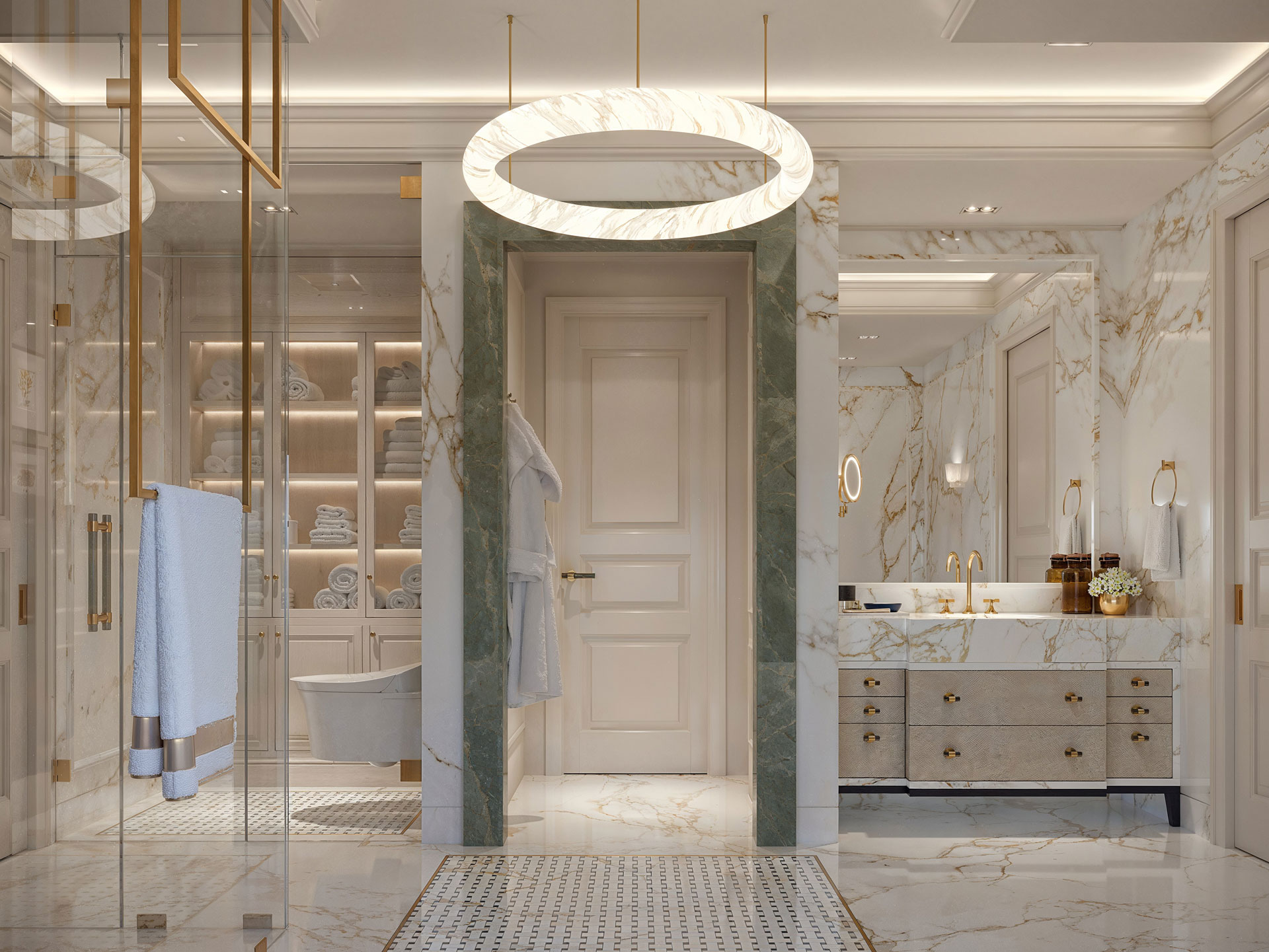
Choose lighting fixtures that don't visually compete for space. Glass, crystal, or minimal metal fixtures maintain sightlines and prevent cluttered visual fields. Pendant lights with transparent or open geometric shades provide necessary illumination without blocking views across the room.
Smart Lighting Control
Smart lighting systems allow you to create preset scenes optimized for different activities and times of day. In a small studio apartment, for example, you might have scenes for "Morning," "Work," "Dinner," and "Evening," each adjusting multiple fixtures to create appropriate ambiance while maintaining the sense of spaciousness.
Avoiding Common Mistakes
Several lighting errors commonly plague small spaces:
- Overlighting: Too much bright light makes spaces feel harsh and exposing rather than expanded.
- Single-Source Lighting: Relying on one central fixture creates flat illumination that emphasizes limitations.
- Oversized Fixtures: Chandeliers or pendants that overwhelm the space create disproportion.
- Neglecting Shadows: Some shadow creates depth; uniformly bright spaces feel dimensionless.
Practical Implementation
When planning lighting for a small space, start by assessing natural light patterns throughout the day. Identify which areas remain dark and which receive adequate daylight. Map your activities and ensure each area has appropriate task lighting. Finally, add ambient and accent layers to create depth and visual interest.
Budget-conscious improvements can make significant impact: replacing single ceiling fixtures with multiple recessed lights, adding dimmer switches, installing LED strips, or simply repositioning existing furniture to better utilize natural light.
For the advanced techniques used in luxury residences — where light sources disappear entirely into the architecture — read our guide to invisible lighting techniques for luxury interiors.
For comprehensive space planning that includes strategic lighting design, explore our portfolio of completed projects or schedule a consultation to discuss how lighting can transform your compact space into something extraordinary.