Timeless Materials: How to Choose Interiors That Age Well
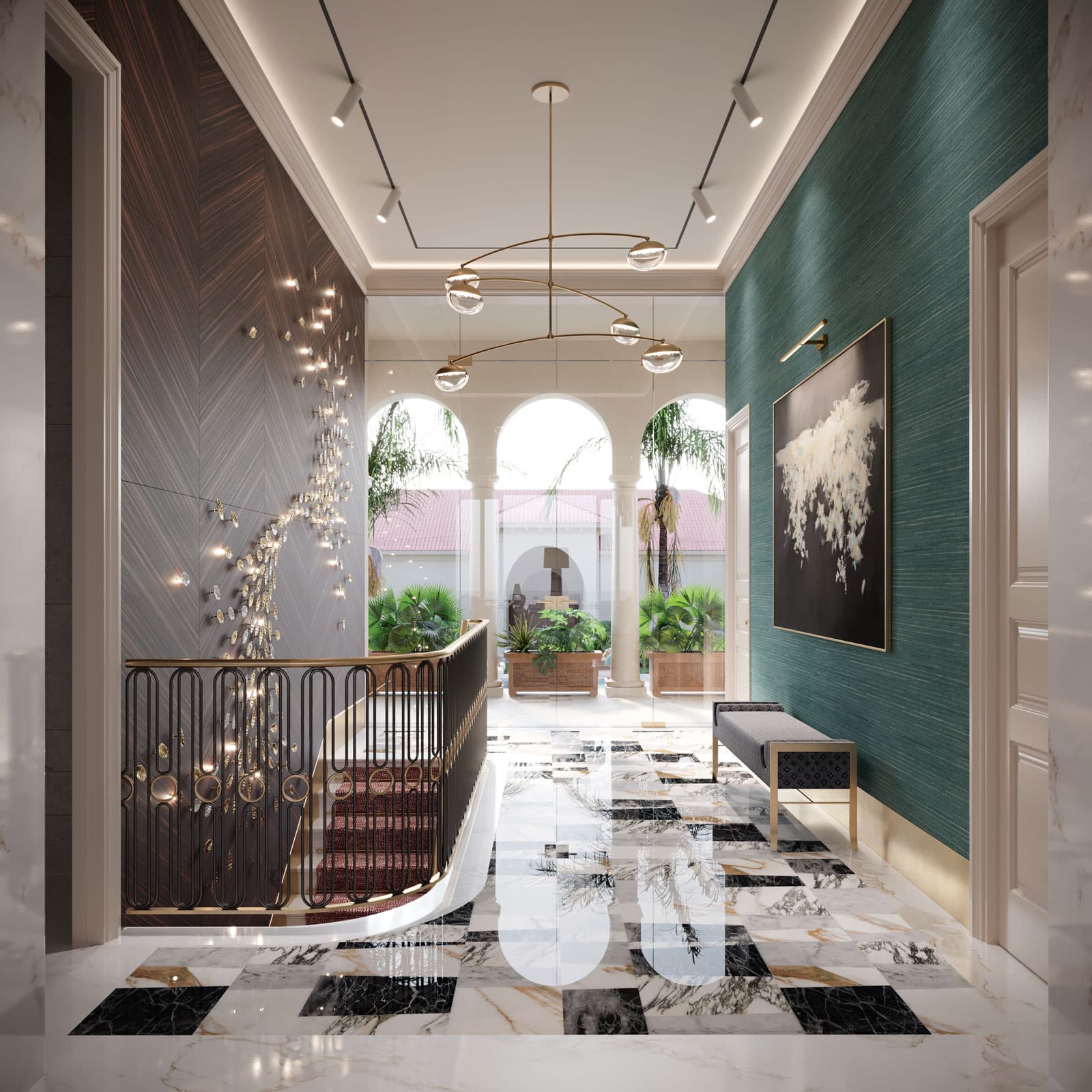
Timeless materials are the ones that look better in their tenth year than in their first. Natural stone, solid wood, unlacquered brass, leather, linen and mineral plaster have outlasted every interior trend of the last century, and they share one quality that no synthetic alternative replicates: they age instead of wearing out. Choosing them is the most reliable way to build an interior that does not date, and it is the decision we spend the most time on in every House of Nuances project. This guide explains what makes a material timeless, how to specify each one correctly, and how to combine them into a palette that holds together for decades.
Timeless Materials: What They Have in Common
Timeless materials pass three tests. First, they come from natural sources, so their colour and texture vary in ways the eye reads as depth rather than pattern. Second, they age rather than deteriorate: use leaves a patina, not damage. Third, they can be repaired or refinished. A scratched oak floor can be sanded and oiled; a scratched vinyl plank has to be replaced.
Patina is the key idea. It is the visual record of time on a surface - the darkening of walnut, the soft sheen on a stone step, the warm tone that brass takes on where hands touch it. Materials that develop patina become more personal with use. Materials that cannot develop it look their best on installation day and decline from there. That is why we treat material selection as a long-term investment rather than a styling decision: the right surface keeps adding value, and it never needs replacing to keep up with fashion. It is also why timeless design and sustainable interior design are the same discipline seen from two angles.
Natural Stone: Marble, Travertine and Limestone
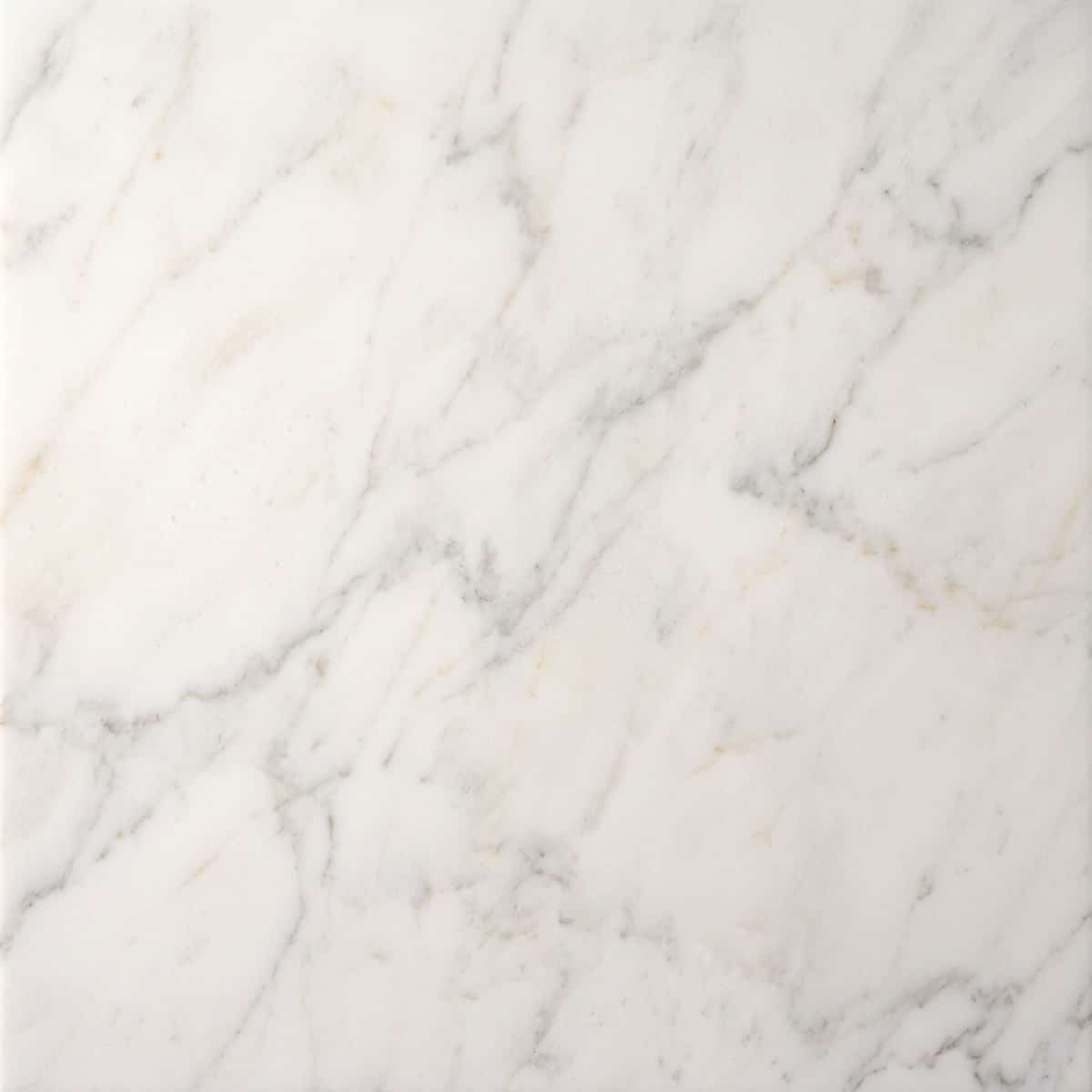
Few materials embody permanence like natural stone. Marble, travertine, limestone and granite have been used in buildings for millennia, and no two slabs are identical, so every installation is unique. Minor wear and etching become part of the material's story rather than a defect to be repaired.
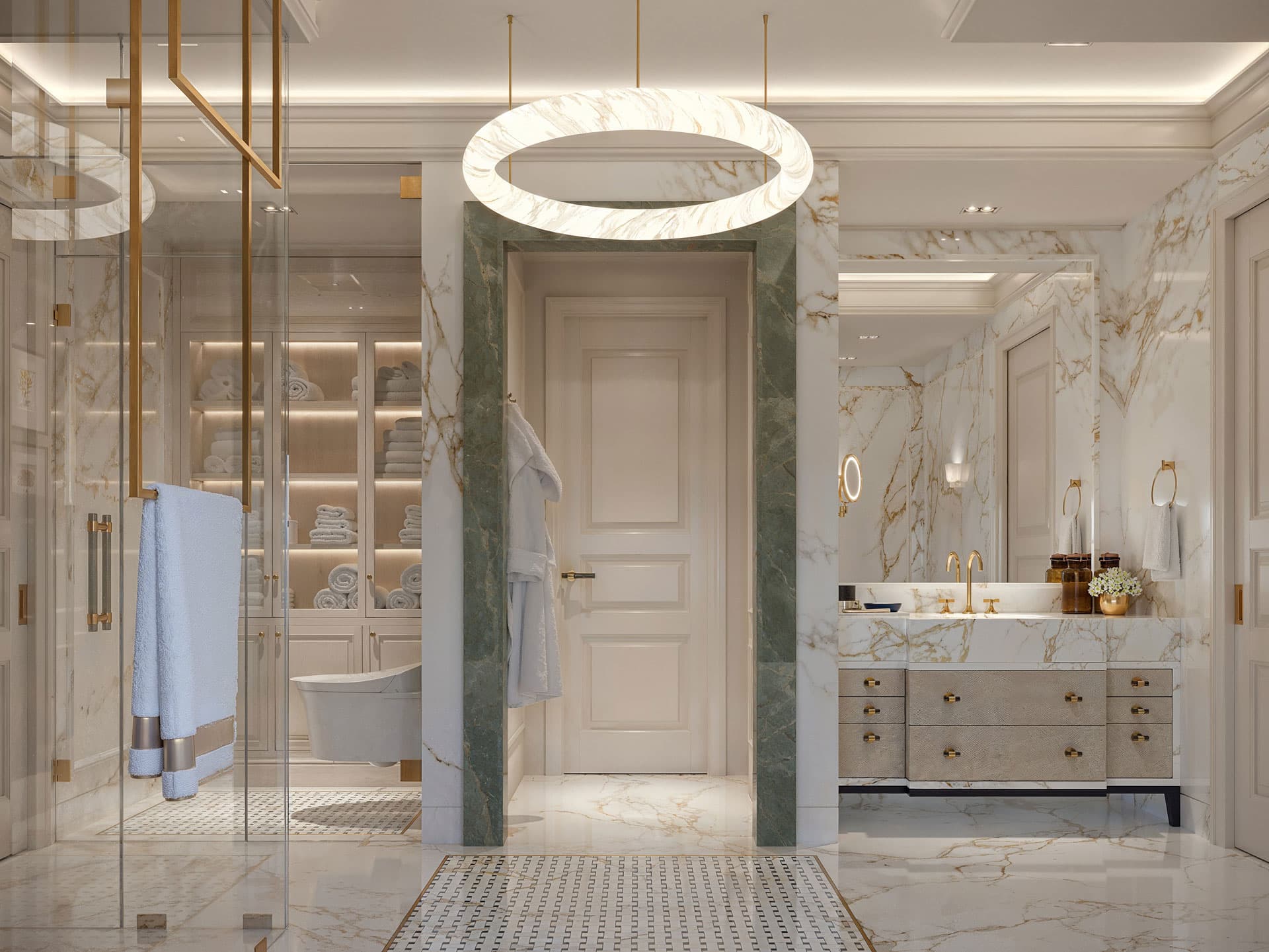
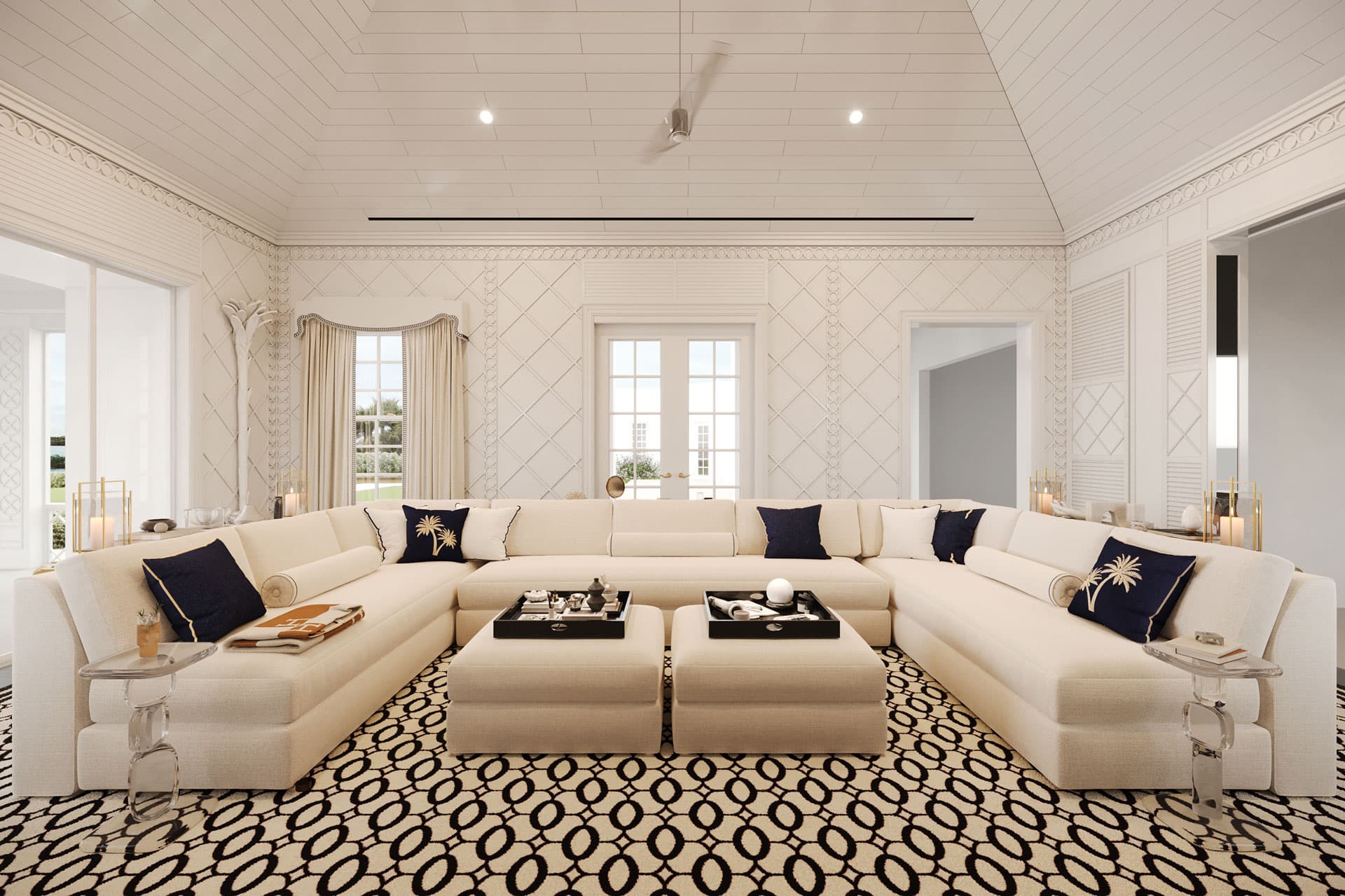
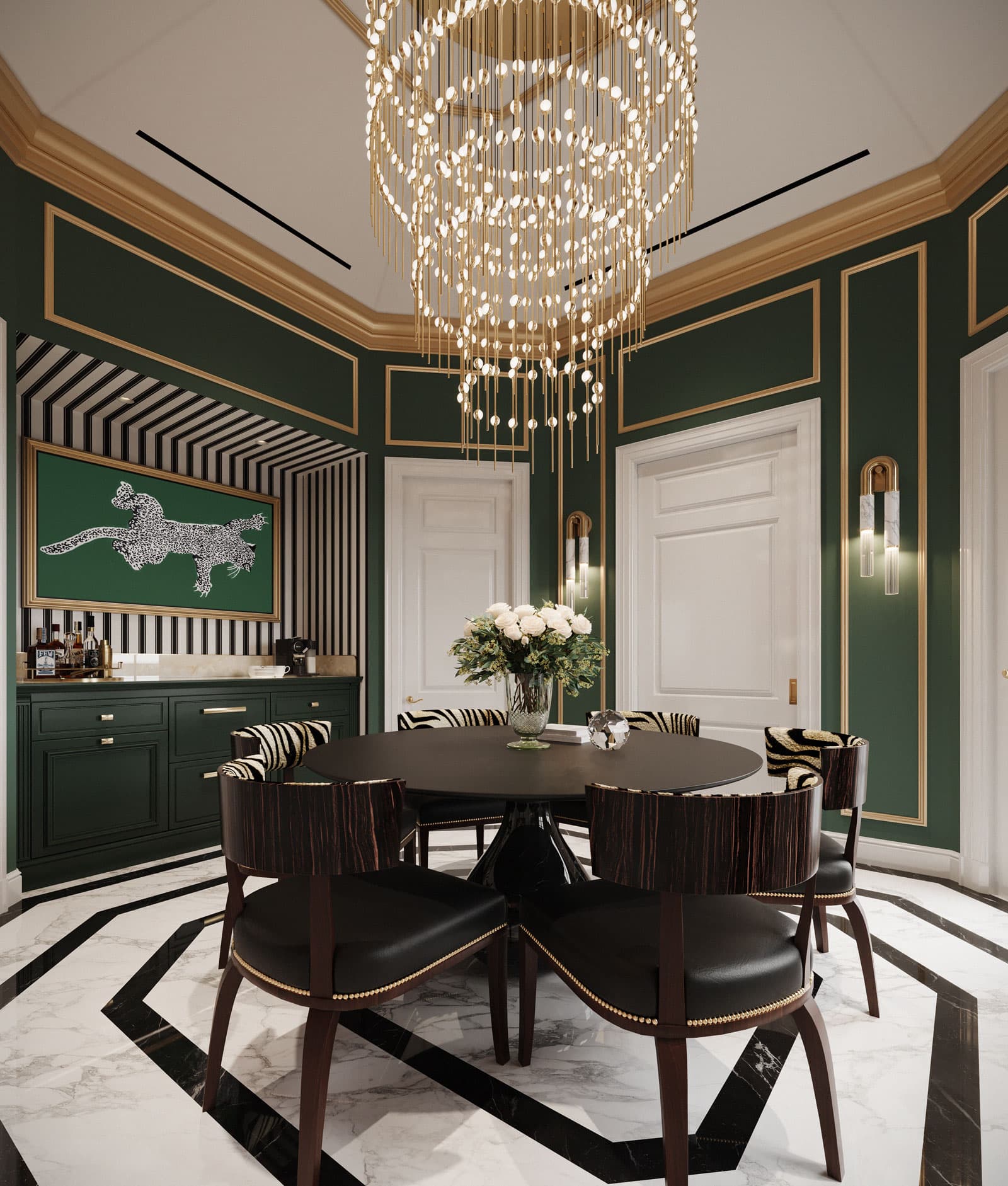
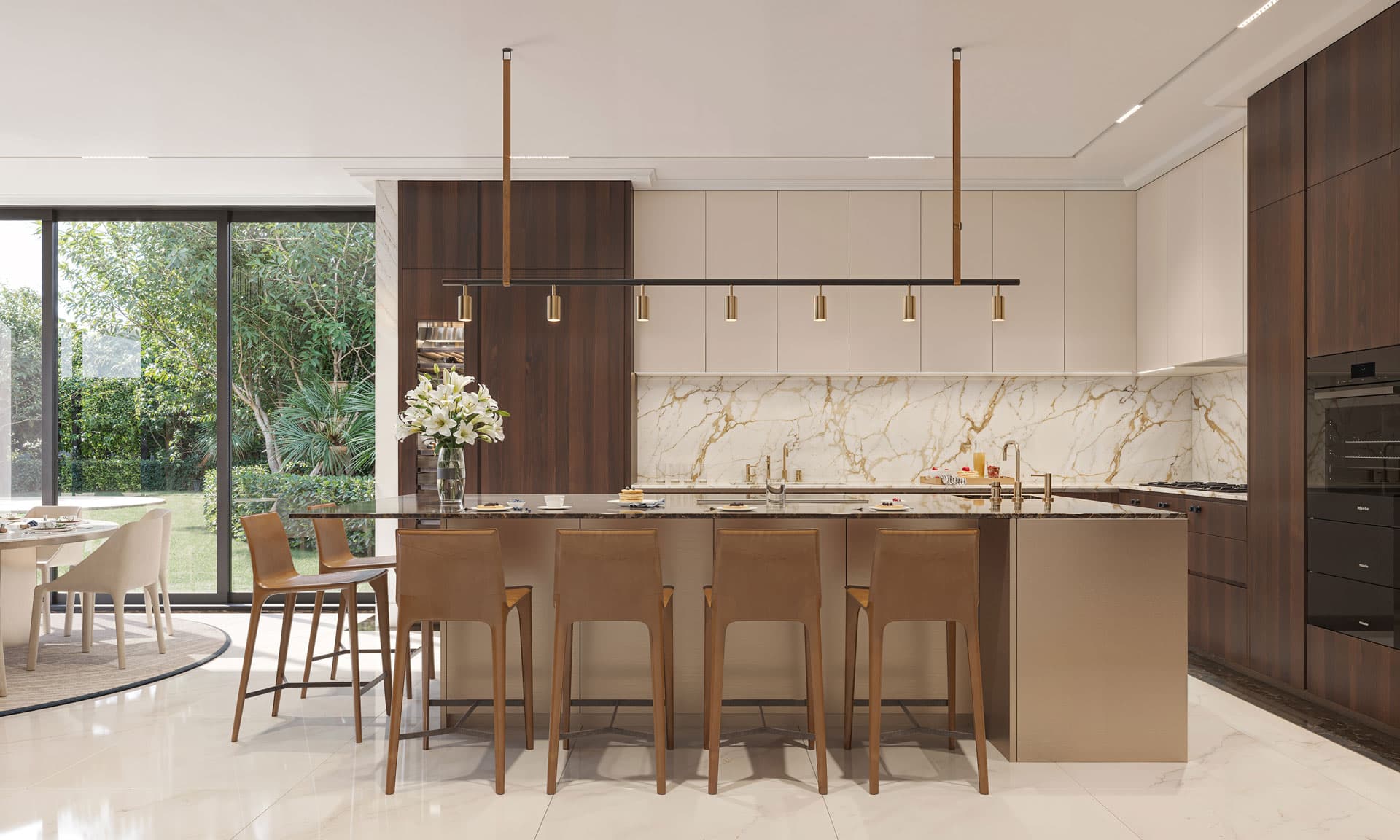
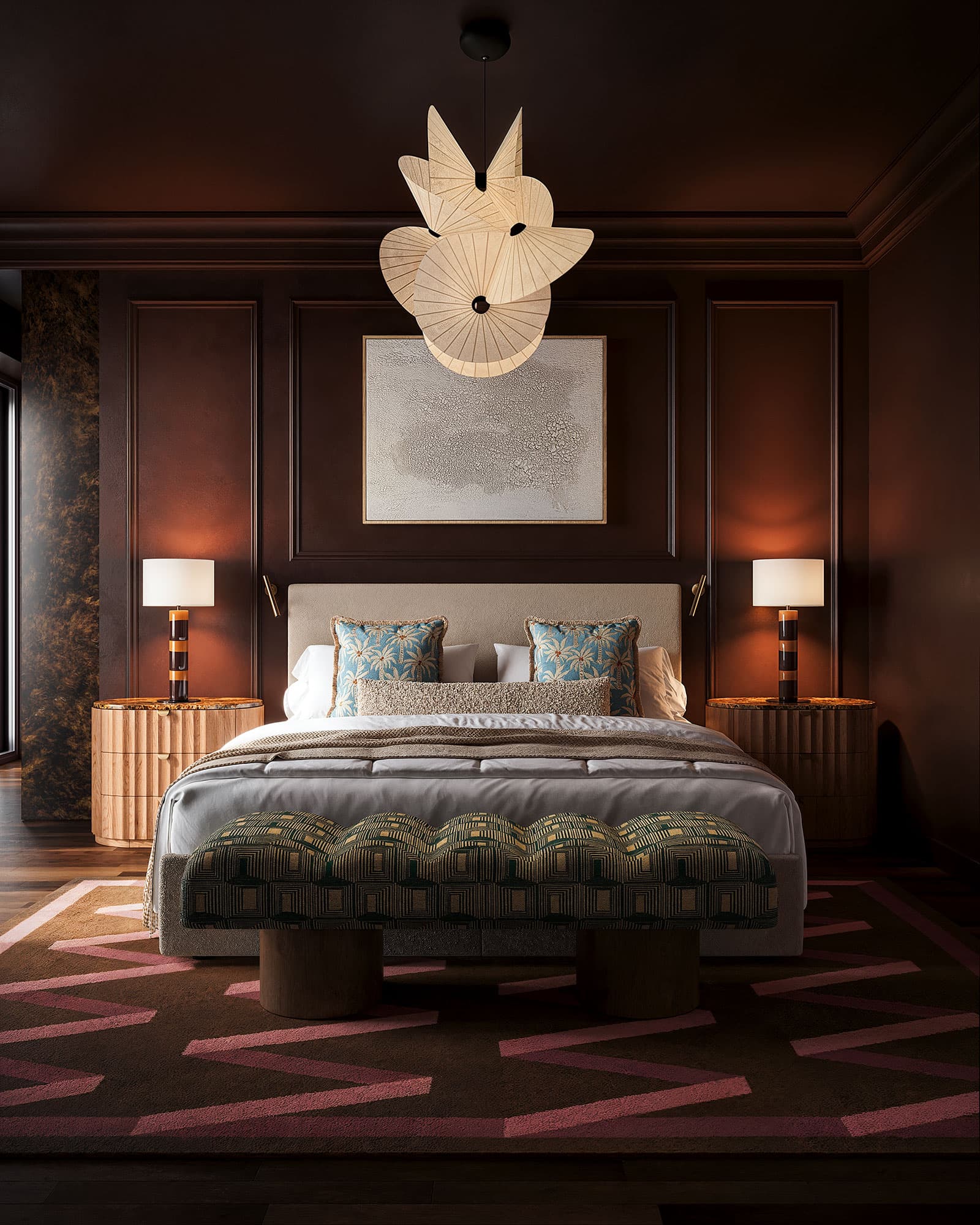
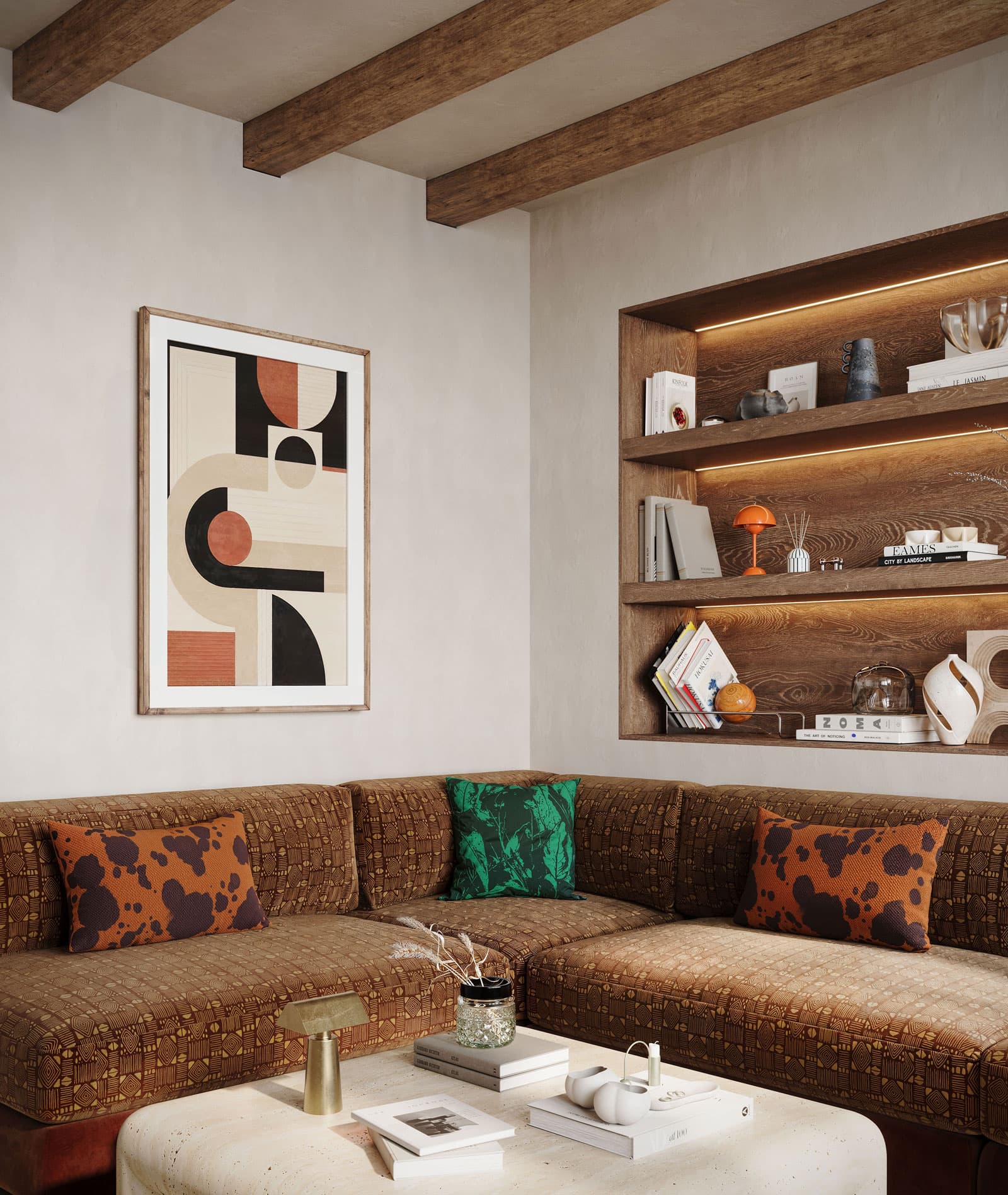
In the Ocean Villa, white and green marble anchor the material palette, and the master bathroom is built around green marble paired with an upholstered leather vanity. In the same house, the home massage room is lined floor to ceiling in travertine, honed rather than polished so that the surface stays warm and tactile instead of reflective. In the Dorcol Apartment, a travertine and warm wood kitchen holds a compact volume together as one resolved composition, and in the Family Home Vero Beach, well-selected white marble sits beside walnut cabinetry and develops a patina that reads as history rather than damage.
Selecting and Specifying Stone
Choose stone for its performance in the specific room, then for its look. Marble is beautiful but calcium-based: it etches when it meets acids such as lemon juice or wine, and it needs sealing. Granite and quartzite resist stains and scratches better and suit hard-working kitchen surfaces. Limestone and travertine bring warmth and texture but need careful sealing in wet areas.
The finish matters as much as the stone. A honed (matte) finish hides etching and wear, feels warmer underfoot and ages more gracefully than a high polish, which shows every mark. For travertine, the choice between filled and unfilled surfaces is equally important; our travertine interior design guide covers that specification in detail.
Our Projects
Wood: Walnut and Oak
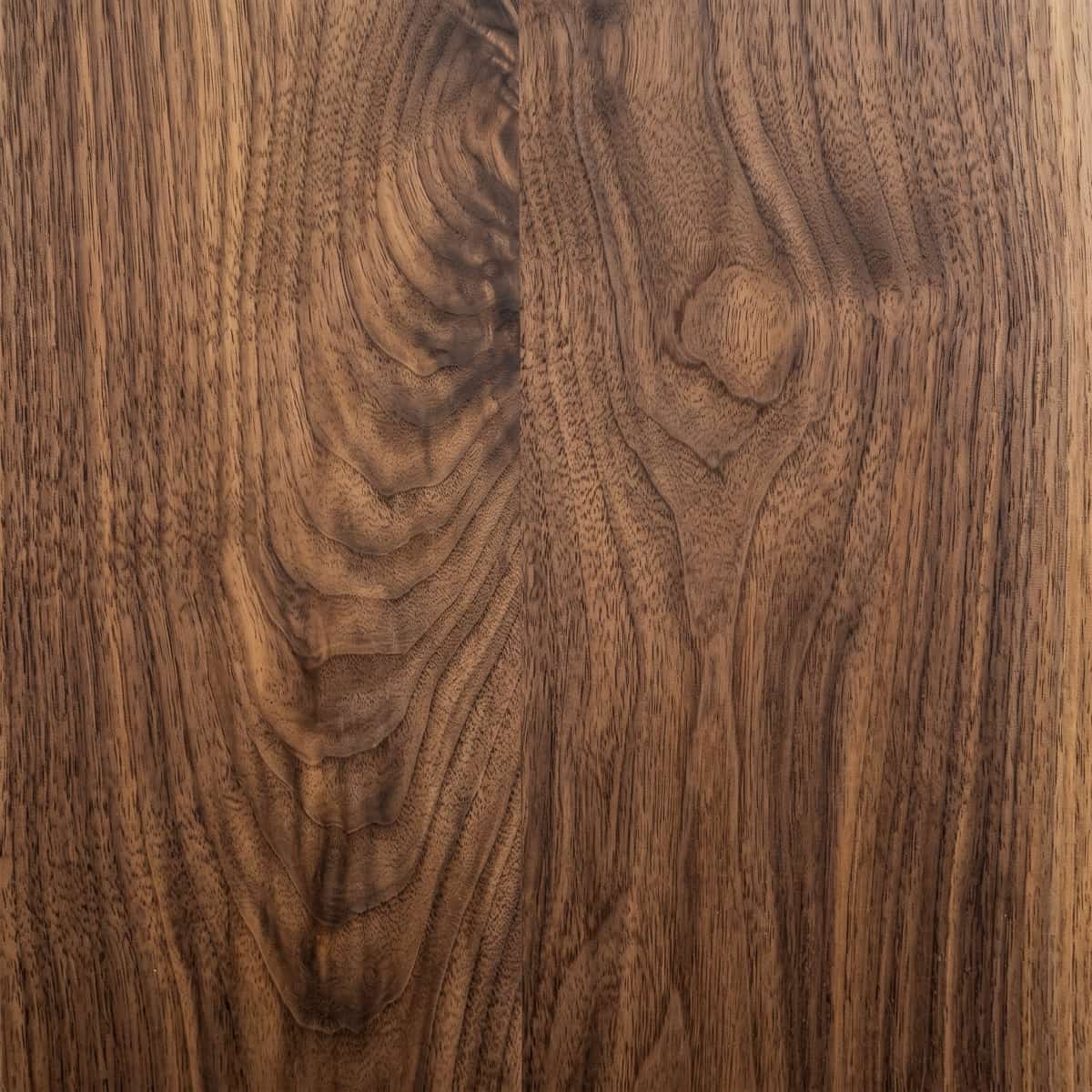
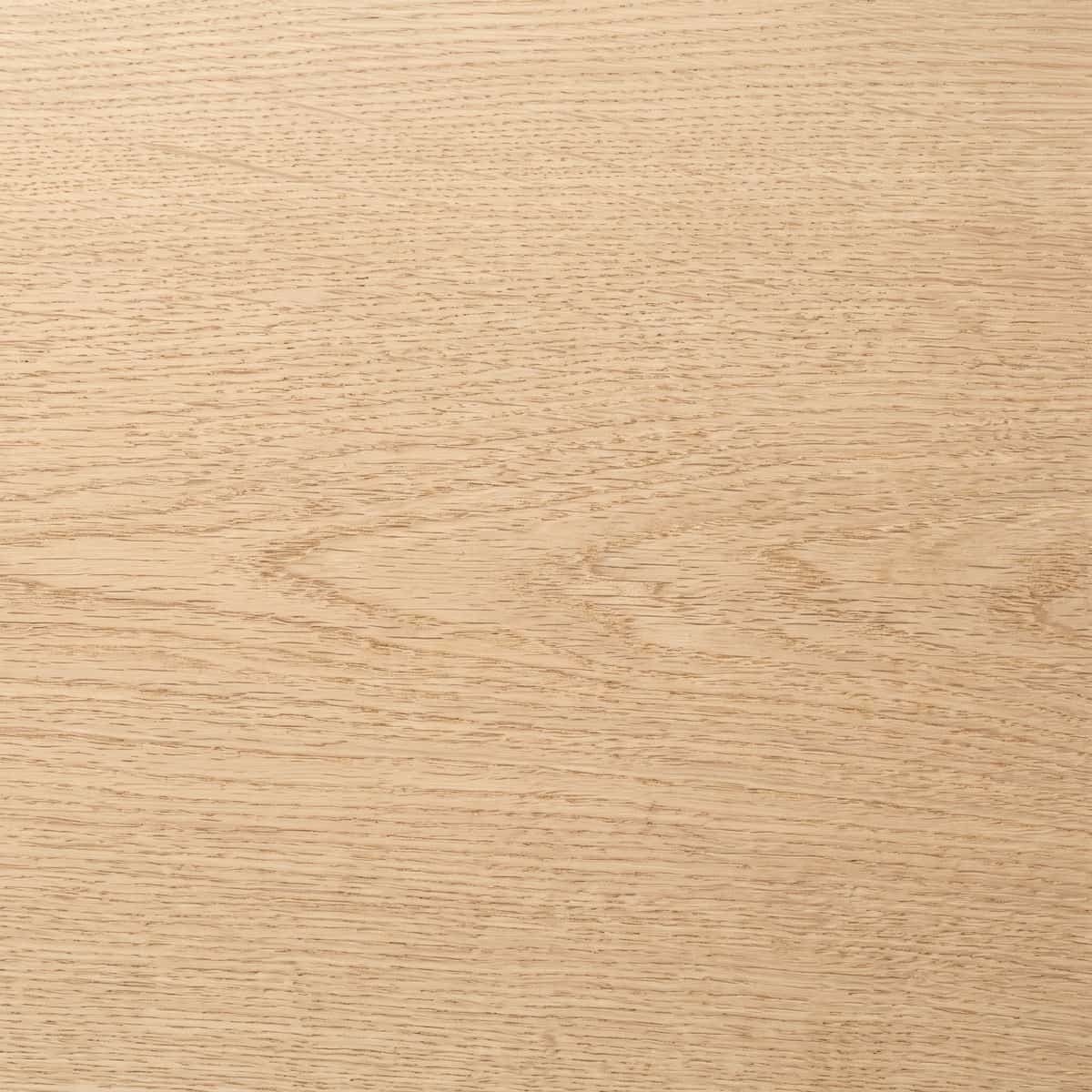
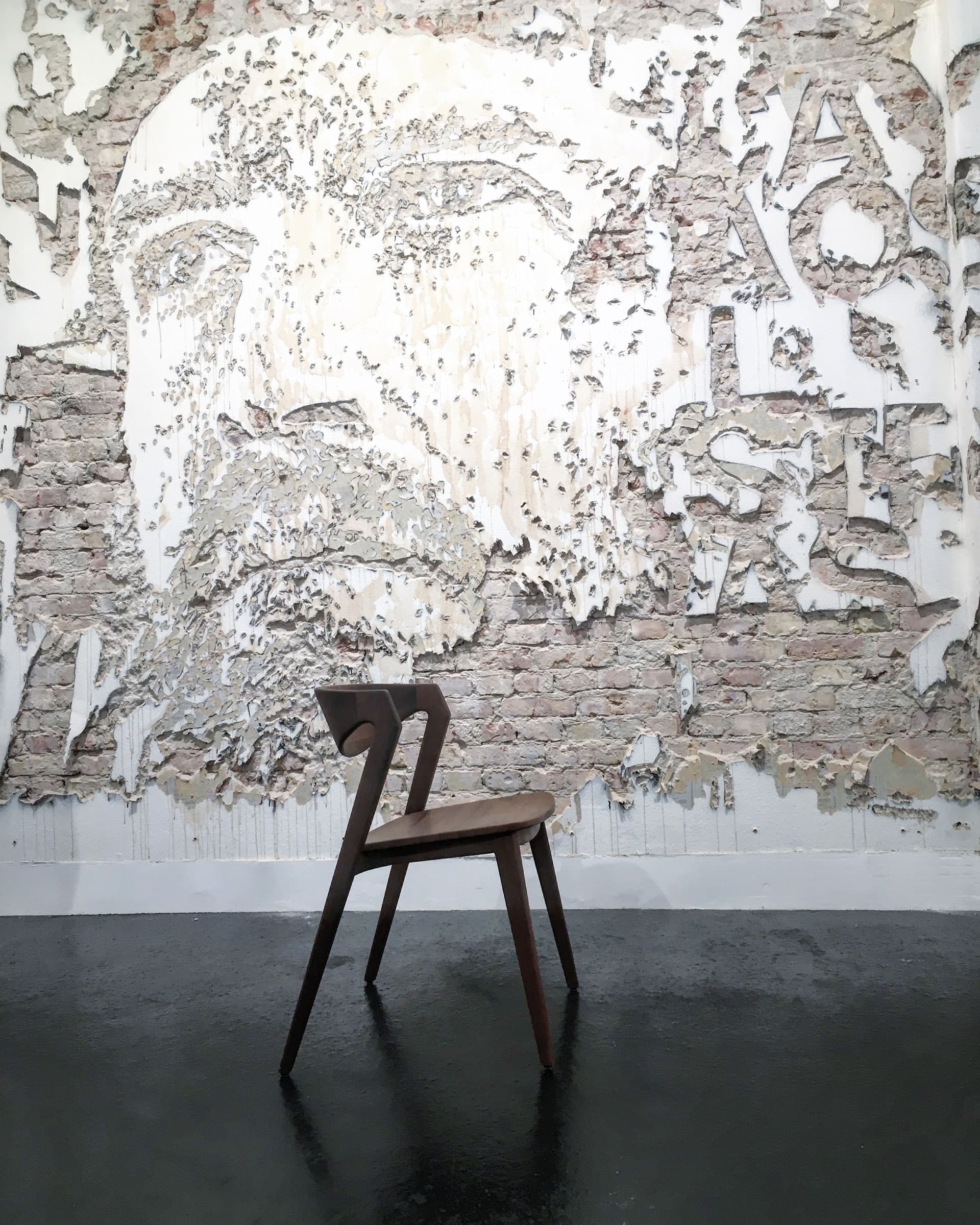
Wood is the most versatile timeless material in interior design. It brings warmth to any room, it can be shaped into almost anything, and it changes tone gracefully: oak mellows towards honey, walnut deepens and enriches. Walnut, oak, cherry and ash have proven their longevity in historic interiors across Europe.
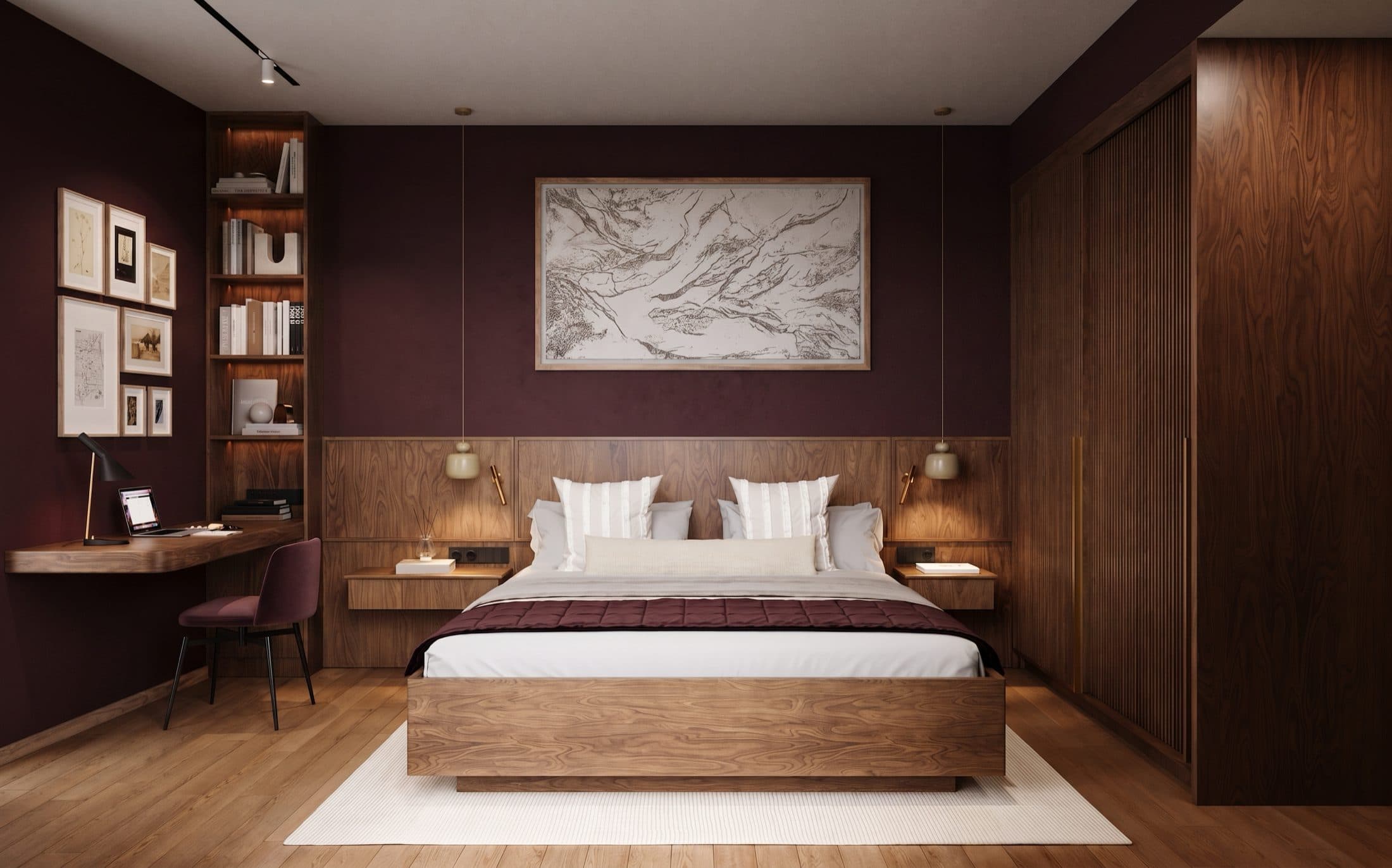
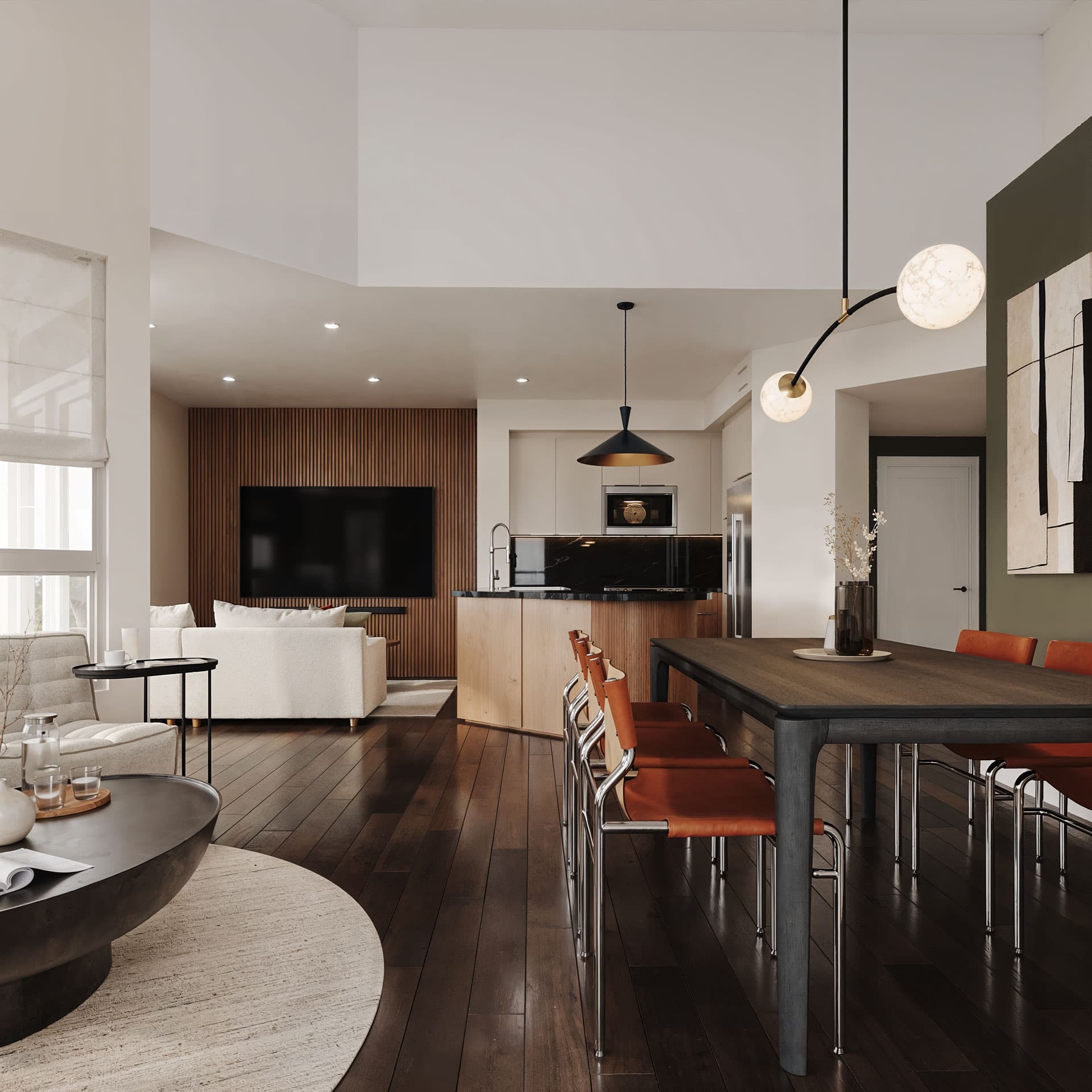
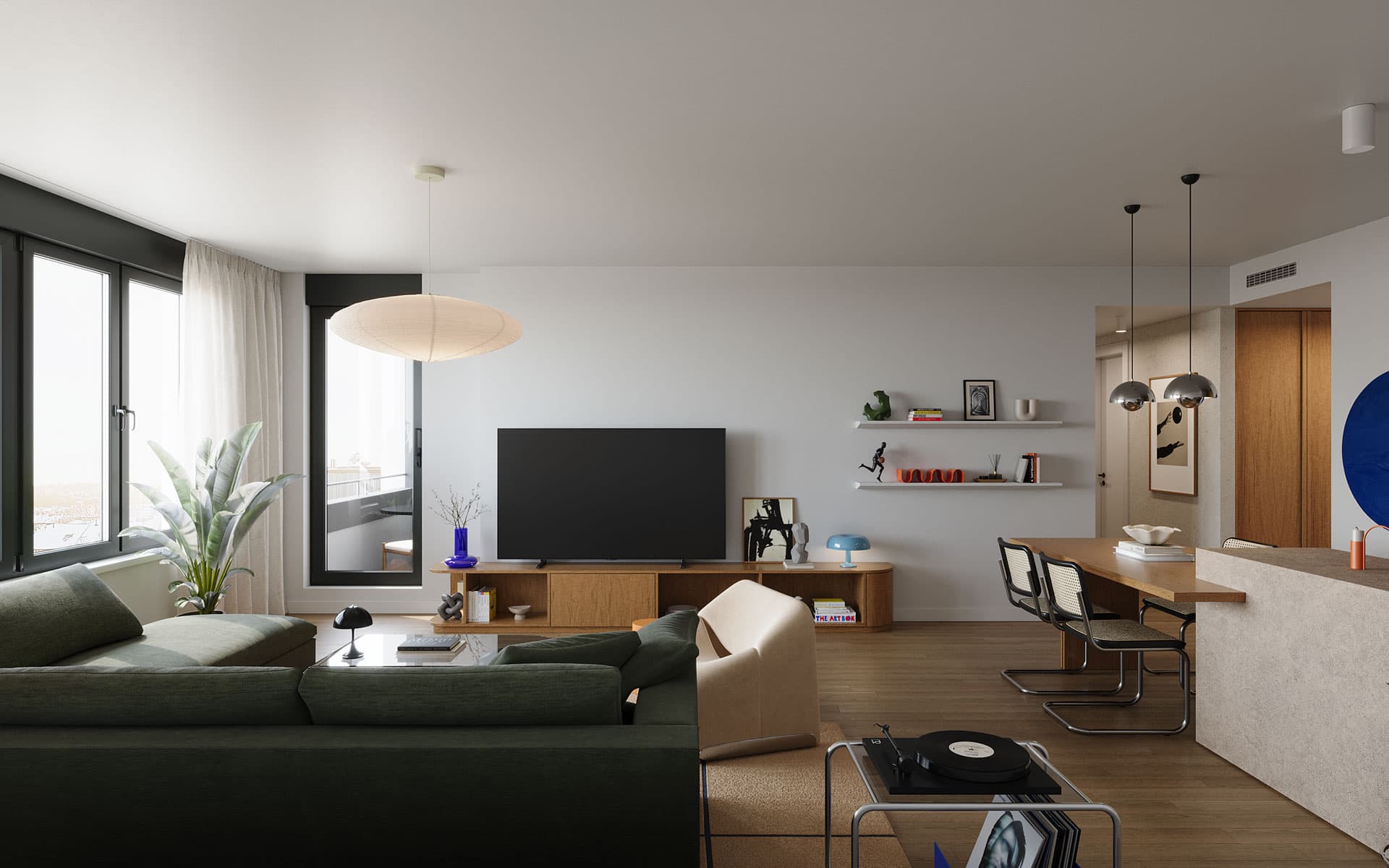
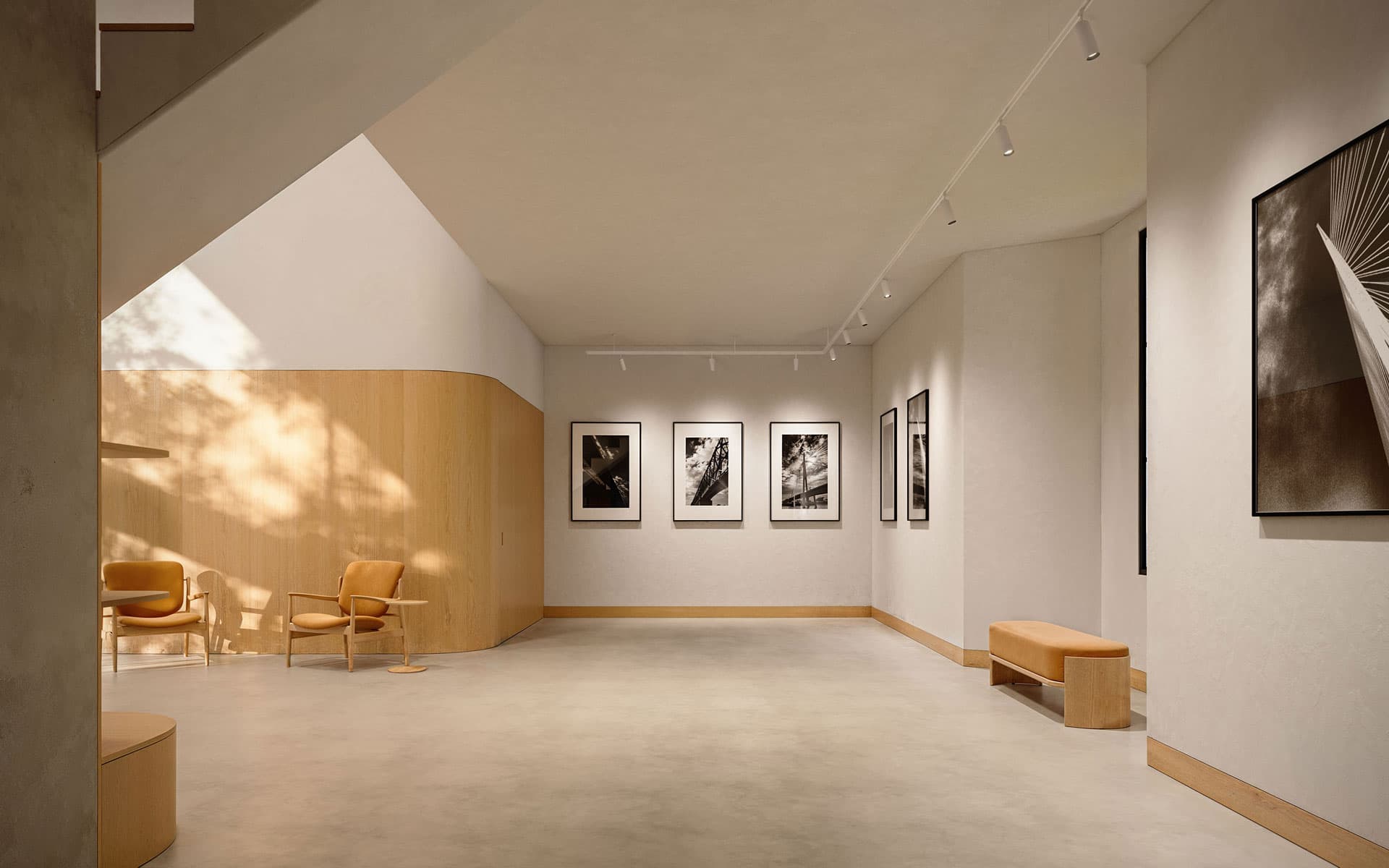
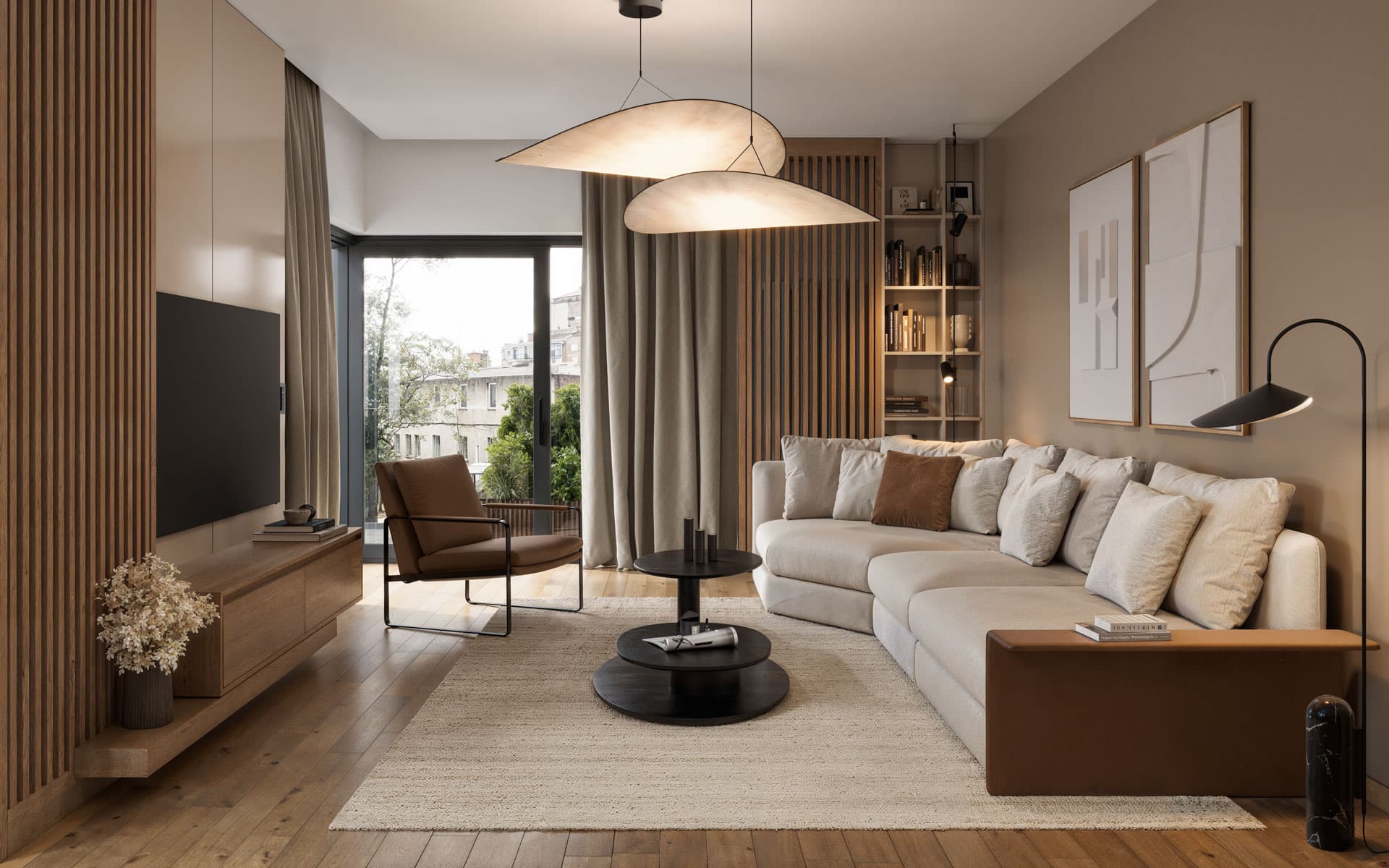
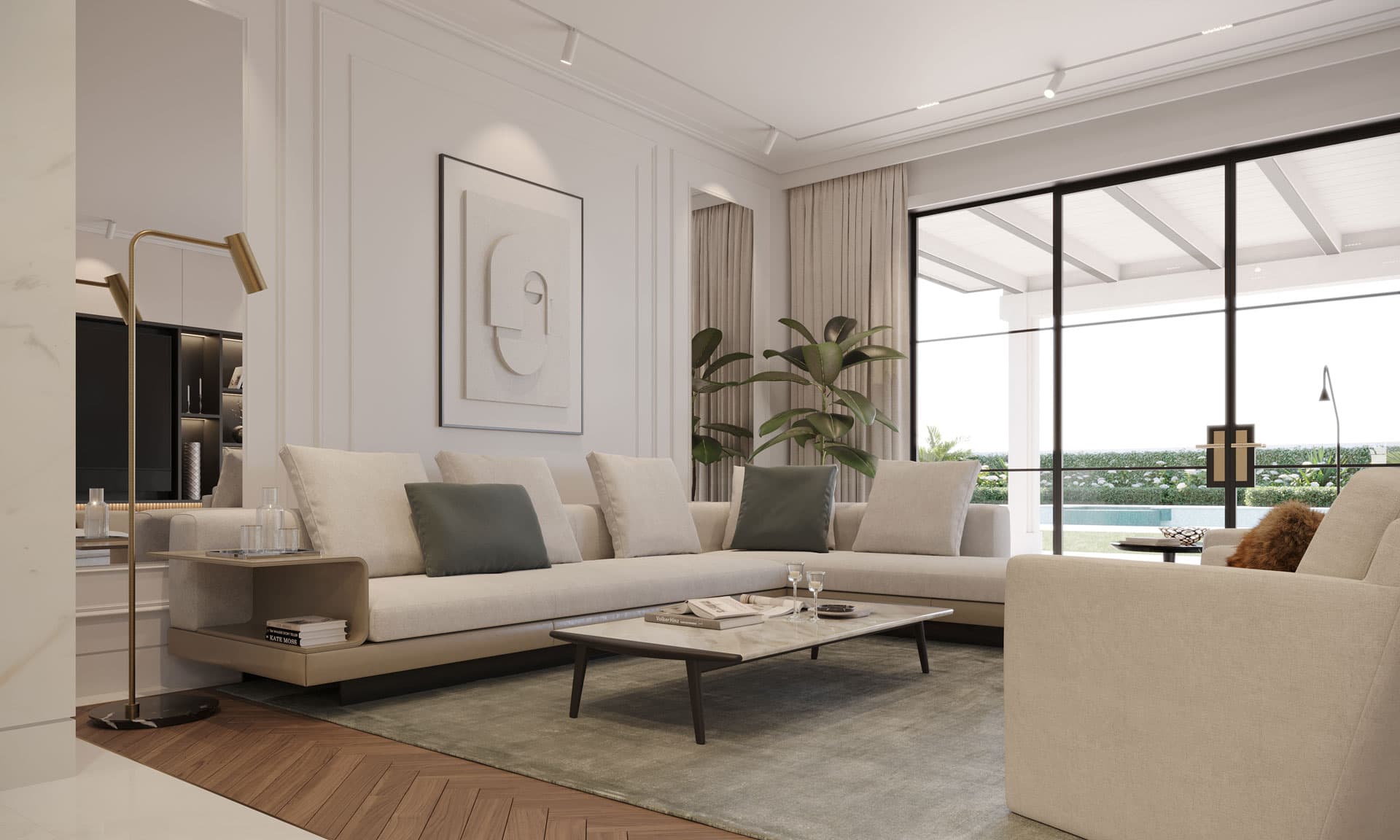
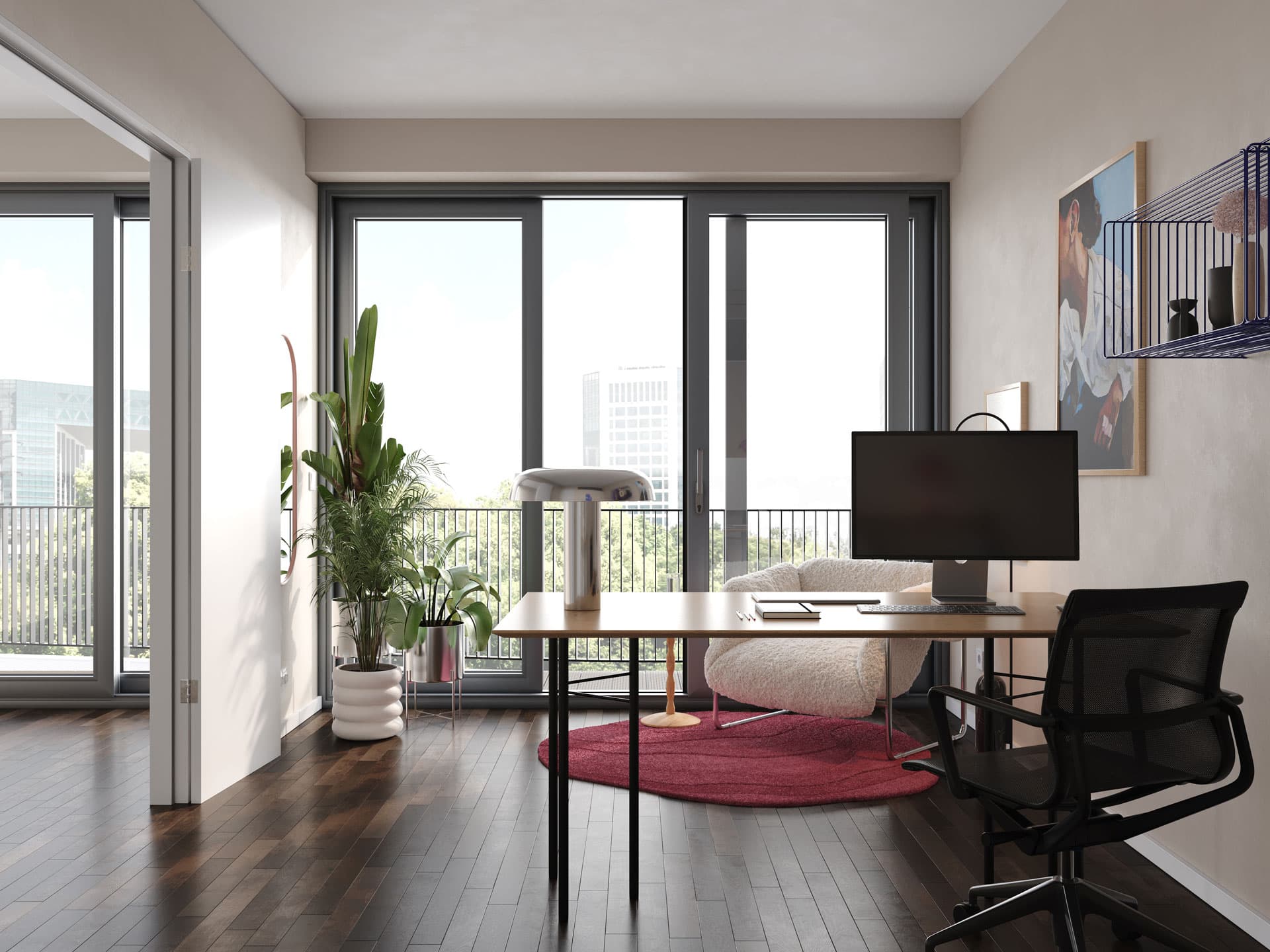
In the Midcentury Apartment, custom white oak millwork runs through the living room cabinetry, bedroom built-ins and the home office, giving the whole apartment a single material thread. In the Calabasas Residence, herringbone walnut flooring runs through the main living areas and anchors every other material decision. The City Condo takes the same idea further: walnut carries all of the joinery, from the kitchen wall and bookcase partition to the bedroom headboard.
Solid wood is the right choice for floors, worktop edges and anything that will be sanded and refinished. For large joinery panels, a high-quality veneer on a stable core is often the better specification, because it does not move with changes in humidity. What matters is that the visible surface is real wood, thick enough to be repaired, and never a printed imitation. Fitted joinery is where this matters most, which is why it sits at the centre of our approach to bespoke kitchen design.
Finishes That Stand the Test of Time
The finish decides how wood ages. Natural oil and hard wax oil finishes soak into the wood, keep its tactile quality and can be refreshed locally when a surface wears, without stripping the whole piece. Matte lacquers offer more protection in high-traffic areas while avoiding the glossy look that dates a room quickly. High-gloss finishes and heavy stains tend to fix a piece to the decade it was made in.
Metal: Unlacquered Brass and Bronze
Metals bridge traditional and contemporary design. Brass, bronze, stainless steel and blackened steel each bring a distinct character, and the warm metals in particular never truly go out of style - they cycle through periods of greater and lesser popularity.
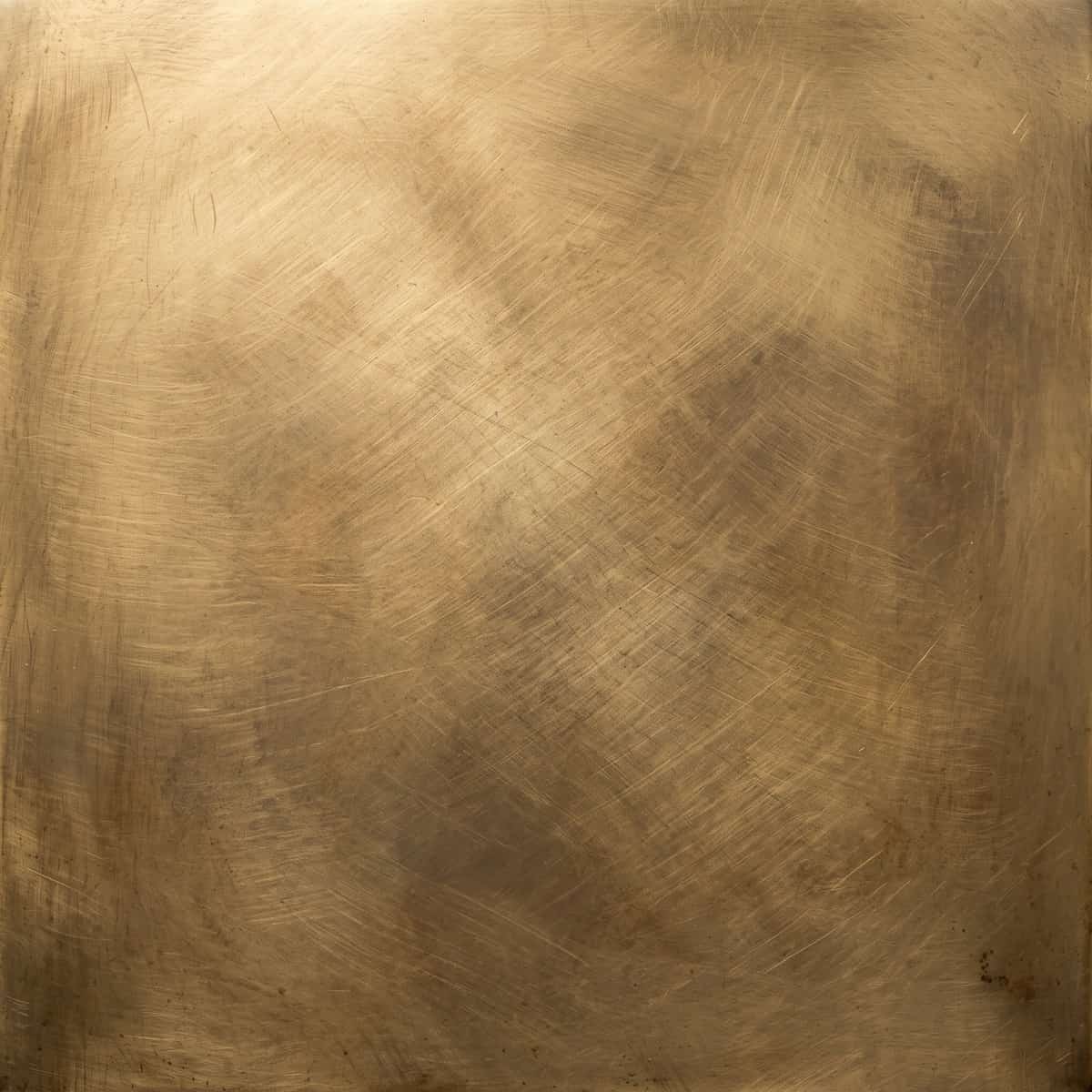
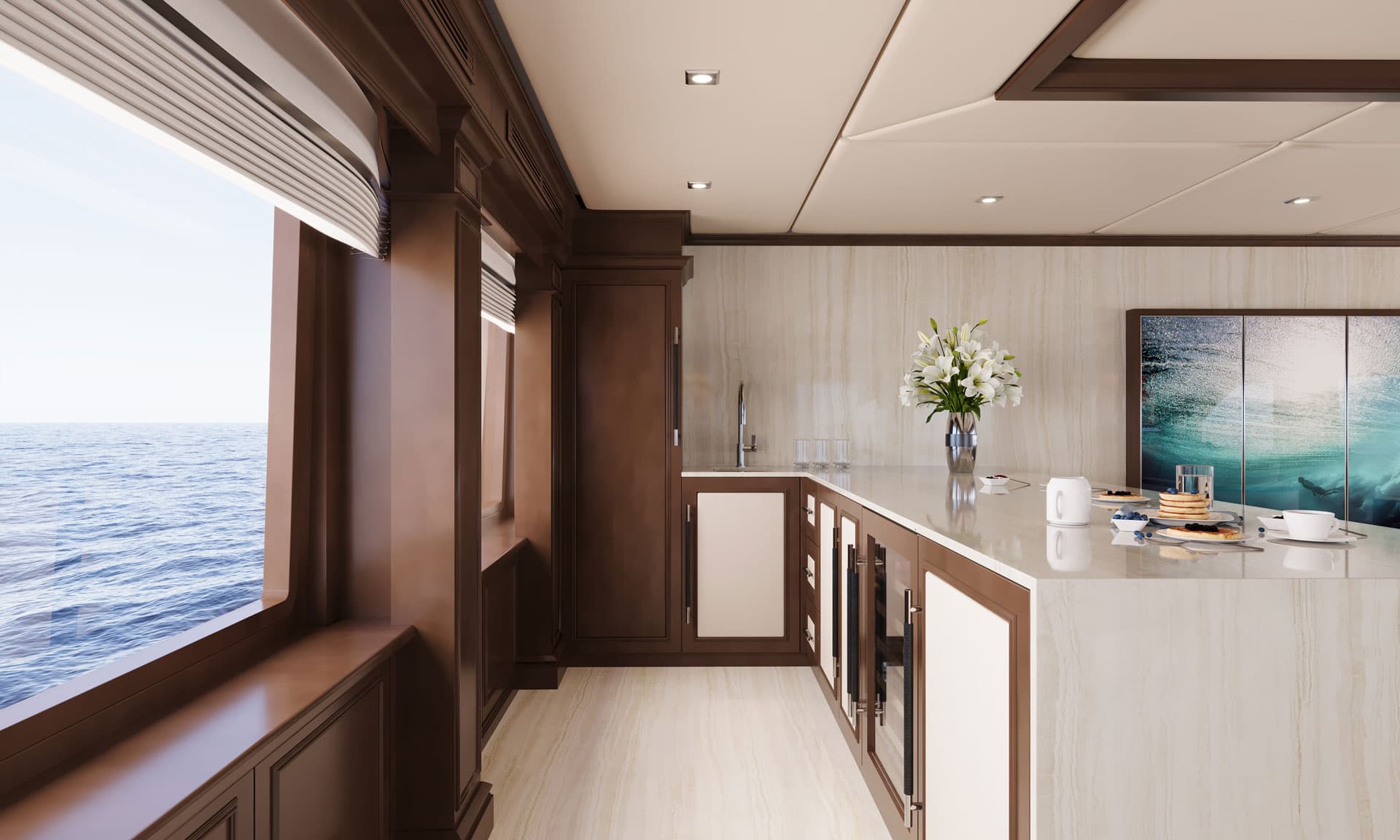
The specification that makes brass timeless is to leave it unlacquered. Lacquered brass stays bright until the coating fails, and then it looks damaged. Unlacquered brass begins to age immediately, darkening evenly and staying brighter wherever hands touch it, so it records how the house is used. In the Calabasas Residence, unlacquered brass appears in the hardware, light fixtures and kitchen cabinetry, and it will develop a patina in step with the walnut around it. In the City Condo, long brass pulls and brass reading lights sit against walnut, and in our Mirabella Yacht project, unlacquered brass was chosen precisely because it ages gracefully even in salt air - one of the marine material decisions we explain in our guide to yacht interior design.
Leather, Linen and Wool
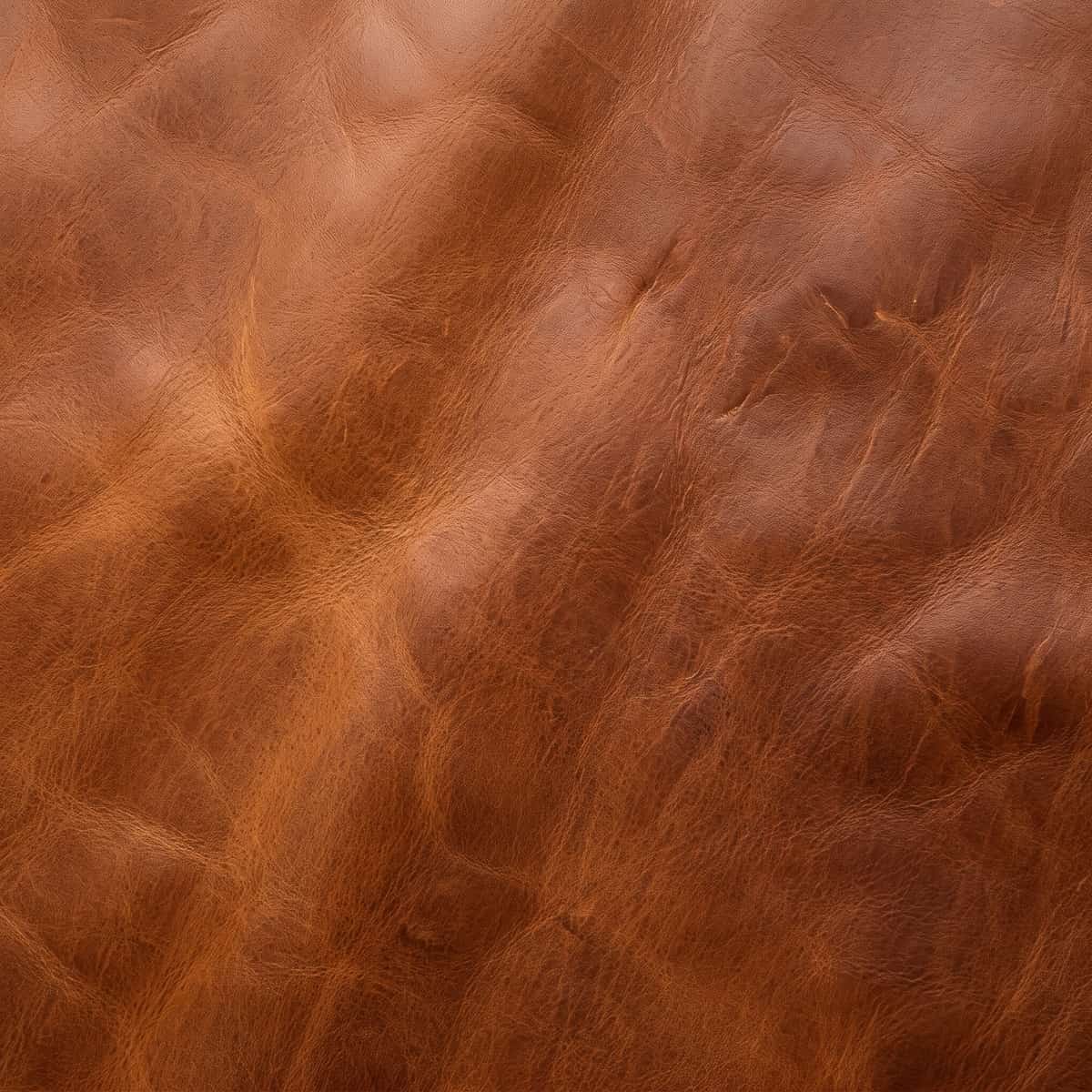
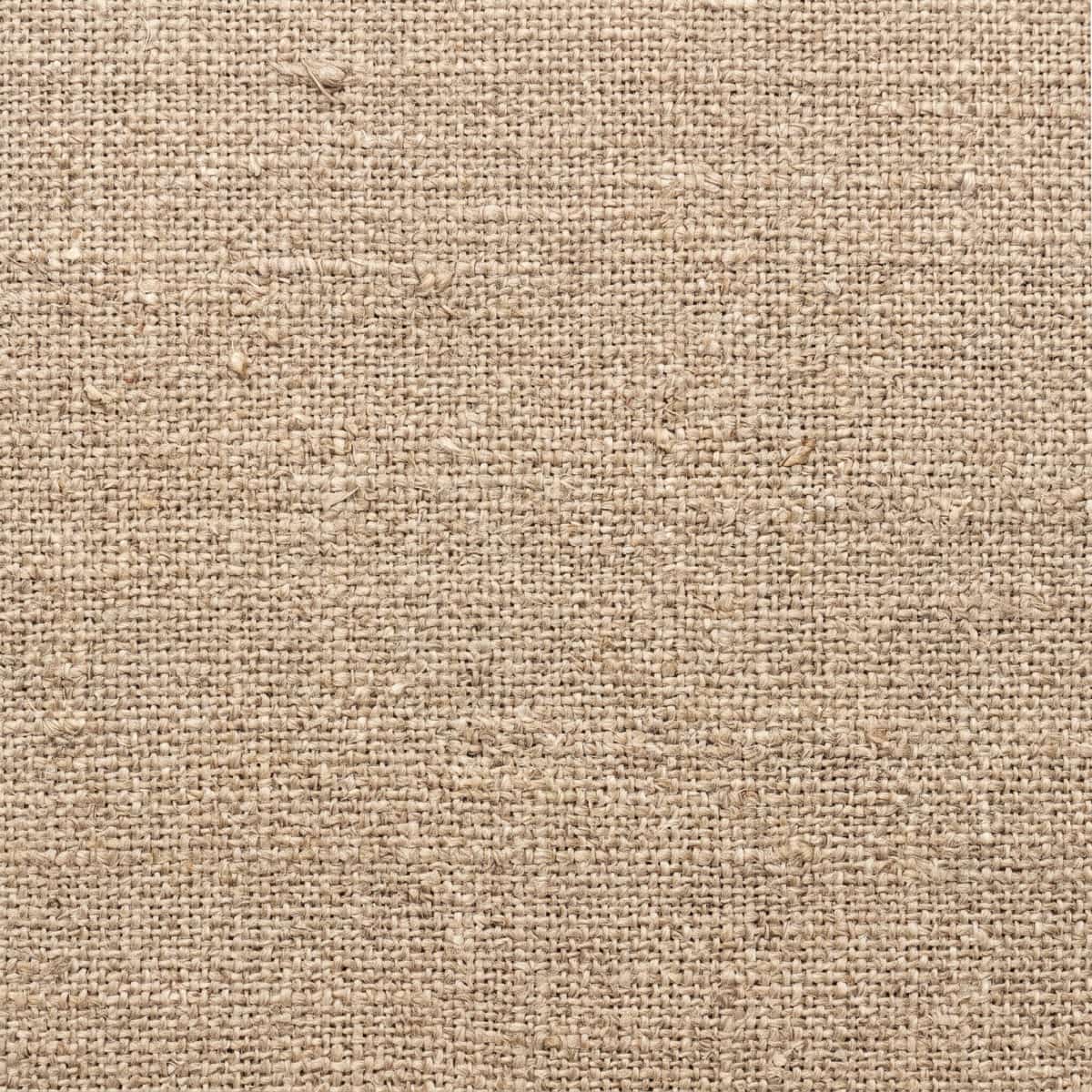
Textiles need replacing more often than hard materials, but natural ones age far better than synthetics. Full-grain leather is one of the few materials that genuinely improves with use: it softens, darkens and takes on the marks of daily life. Linen becomes softer with every wash, and its natural slubs look better with age. Wool is durable, naturally stain resistant and recovers its shape.
Leather also works well beyond seating. In the Ocean Villa, the master bathroom vanity is upholstered in leather - an unusual choice for a bathroom, and one that signals a room designed for its owner rather than for everyone. In the Family Home Vero Beach, blue leather wallpaper is the main surface of a bedroom, and everything else in the room was specified to support it. For upholstery and curtains, choose fabric weight and construction over pattern: a heavyweight linen in a natural tone will stay relevant far longer than a fashionable print.
Plaster, Lime and Mineral Surfaces
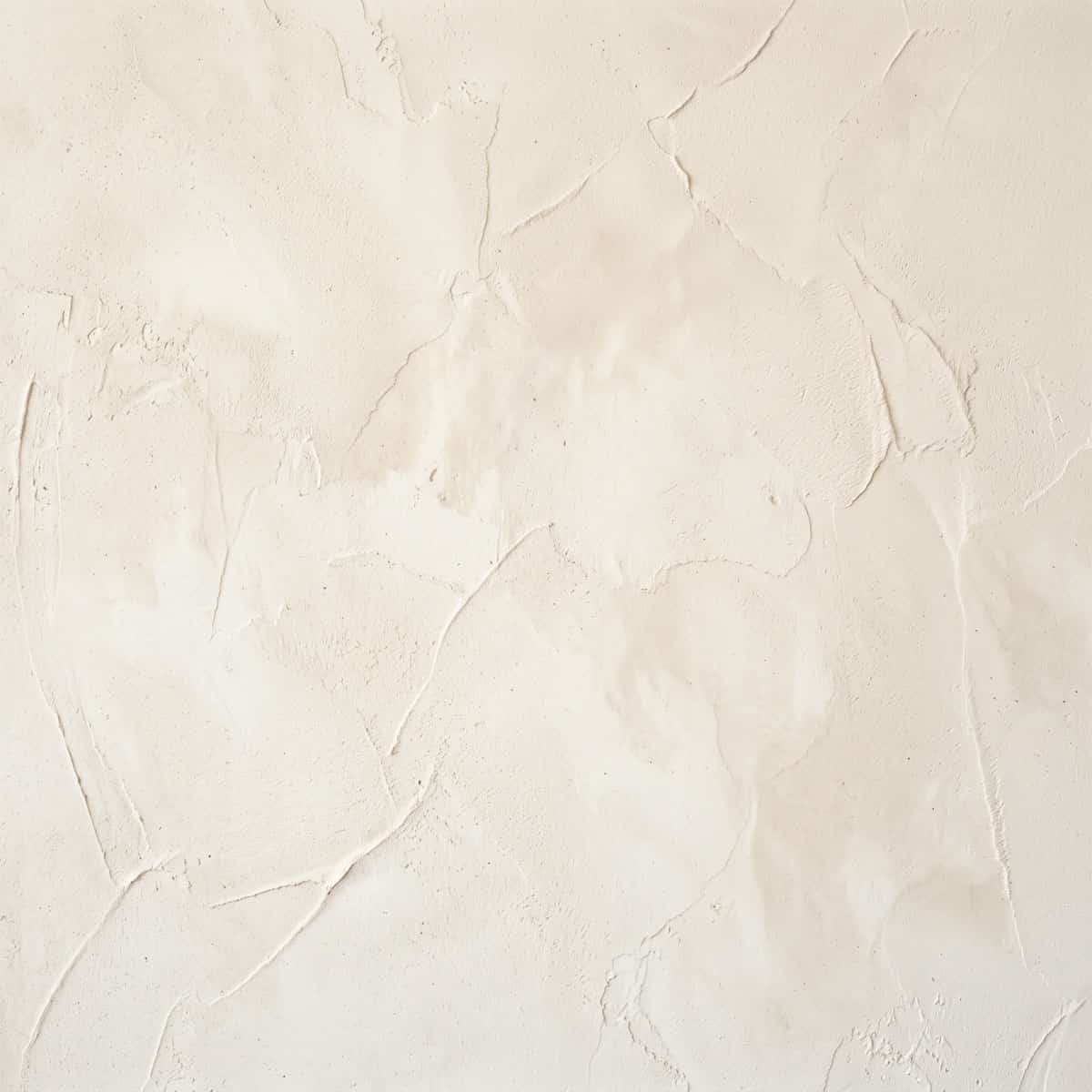
Mineral wall finishes such as lime plaster, clay plaster, Venetian plaster and limewash create a depth and subtle variation that paint cannot match. They are breathable, help regulate humidity, and develop a soft patina over time. Lime is also naturally alkaline, which makes it resistant to mould. In the Dorcol Apartment, cream plaster is the backdrop for warm wood and natural textiles, and a wood slat feature wall gives it a textural counterpoint.
Terrazzo and Concrete
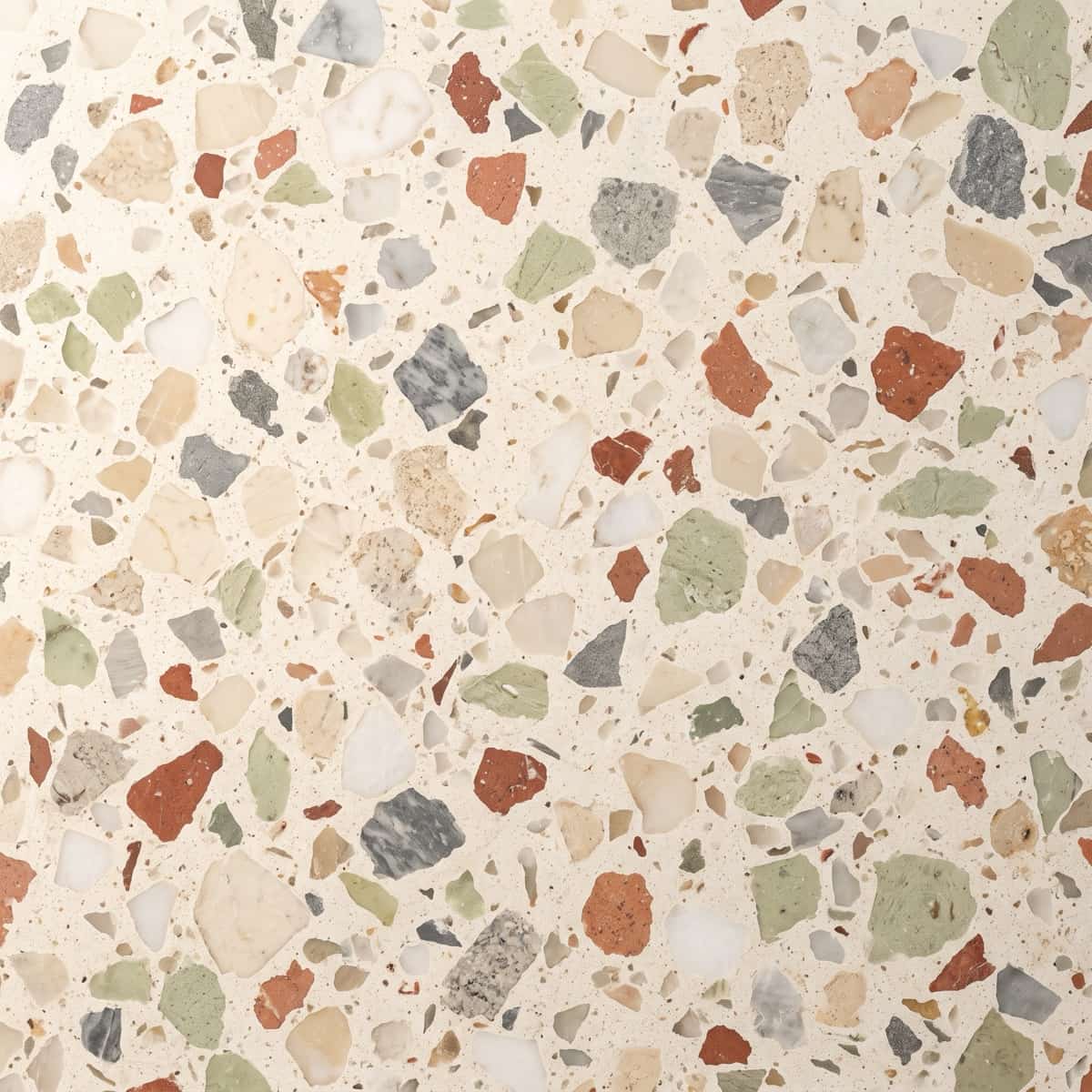
Terrazzo and polished concrete began as practical materials and became classics in their own right. Terrazzo, made of stone chips set in cement or resin, has covered floors for centuries and now extends to worktops and wall cladding. Concrete, properly sealed, brings a monolithic calm with real durability, and its subtle colour variations keep it from feeling sterile.
How to Build a Timeless Material Palette
Individual materials do not make an interior timeless; the way they are combined does. These are the principles we apply on every project:
- Limit the palette. Two or three primary materials, held consistently through the home, read as calm and intentional. The City Condo is built on just two, walnut and Patagonia marble.
- Repeat materials across rooms. The white oak in the Midcentury Apartment works because it appears in every room, not as a one-off feature.
- Avoid imitations. Plastic laminates, vinyl that imitates wood or stone, and printed surfaces show their age badly, because they cannot be repaired.
- Spend where hands touch. Door handles, worktops, stair rails and seating are where quality is felt every day, so they deserve the best material in the budget.
- Think in lifecycle cost. A material that costs more upfront but never needs replacing is cheaper over twenty years than one that has to be renewed every five.
Always judge materials together and in the room where they will be used. A stone sample that looks perfect under showroom lighting can turn cold in a north-facing room, and an oak that reads warm on its own can look orange next to brass. We assemble physical sample boards for every project and review them in daylight and in the evening light of the actual space before anything is ordered. That step costs little and prevents the most expensive mistakes in any renovation.
Trend finishes - high gloss, artificial distressing, fashionable colours applied to fixed surfaces - are the fastest way to date an interior. Put trends into the things that are easy to change, such as cushions, art and accessories, and keep the architecture and fixed surfaces in materials that will still look right in twenty years.
Building a palette like this is the first stage of every project in our interior design service in Berlin, and it matters most in period buildings, where our Altbau interior design work starts from what the building already has.
Frequently Asked Questions
What are the most timeless interior design materials?
Natural stone such as marble, travertine and limestone, solid wood such as oak and walnut, unlacquered brass and bronze, full-grain leather, linen and wool, and mineral finishes such as lime plaster. All of them age instead of wearing out, and all of them can be repaired or refinished.
Is marble a good choice for a kitchen worktop?
Marble works in a kitchen if you accept that it will etch and develop a patina. Choose a honed finish, seal it at installation and reseal it regularly. If you want a surface that stays unmarked, granite or quartzite are better choices.
Should I choose lacquered or unlacquered brass?
Unlacquered brass, if you want it to age gracefully. It darkens evenly over time and develops a living patina. Lacquered brass stays bright at first, but once the coating wears through it looks damaged rather than aged.
Are timeless materials more expensive?
Usually they cost more upfront, but less over the life of the interior. A solid oak floor can be sanded and refinished several times over decades, while a cheaper floor has to be replaced. Natural materials also hold their value when a home is sold.
If you are planning a renovation or new build and want materials that become more beautiful with every year, get in touch with our studio. You can see how we combine stone, wood and metal in practice in our projects.
Want this in your own home?
Tell us about your space, and we will suggest where materials and budget will make the biggest difference. The first consultation is free and without obligation.