AI Moodboards Are the New Client Brief: What We Keep and Why
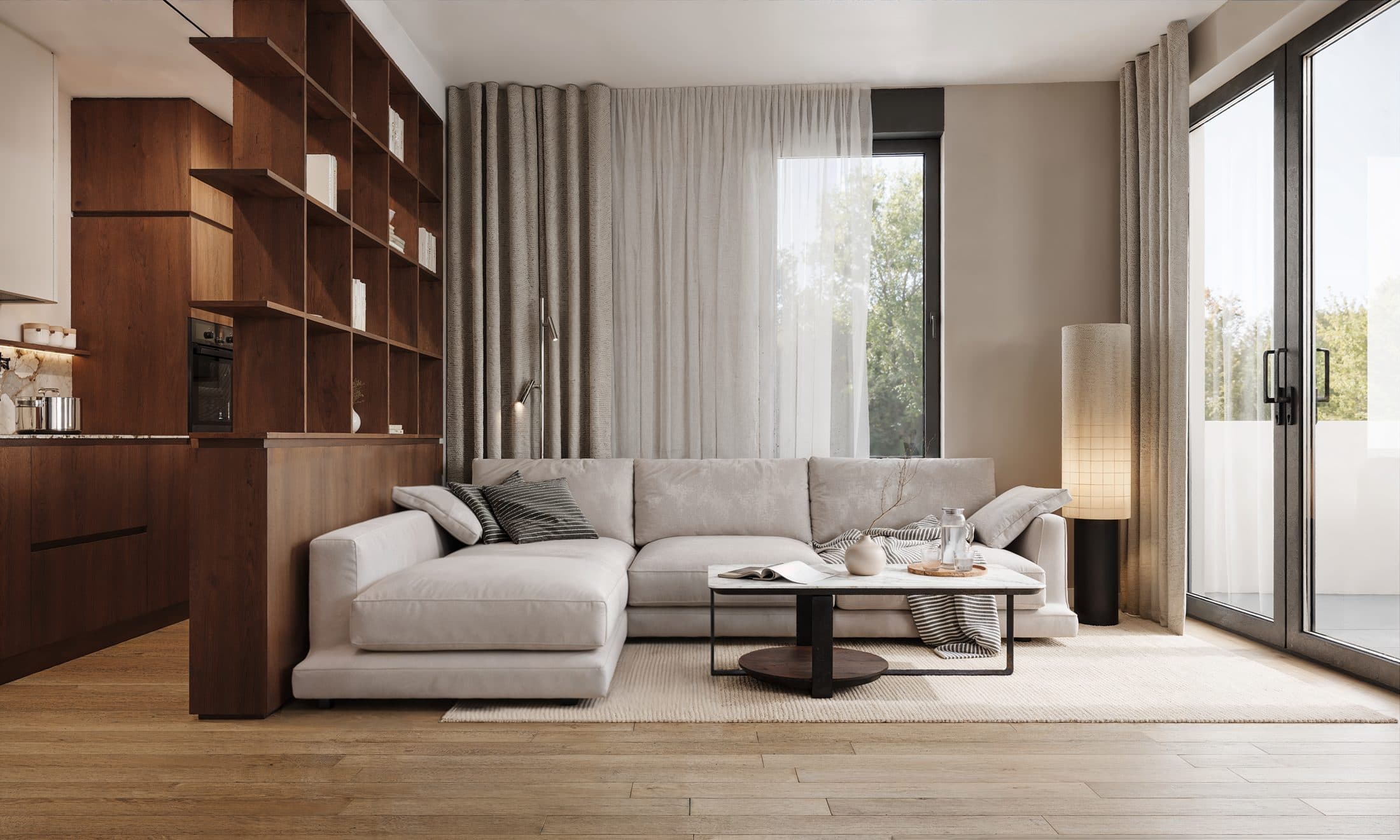
AI moodboards are now how many of our clients introduce their homes to us. Before the first consultation, they have spent evenings with image generators, prompting their living room in travertine and bouclé, regenerating the bedroom until the light feels right, and saving the results to a folder they almost apologise for showing. They should not apologise. An AI moodboard is one of the most honest briefs a client can bring, because it shows what they are drawn to rather than what they think a designer wants to hear. This post explains what these images tell us, where they stop being useful, and how we turn them into a home that can actually be built.
AI Moodboards: Why Clients Now Design Before They Call a Designer
Until recently, the brief arrived as a Pinterest board: hundreds of other people's rooms, photographed in other people's light. AI tools changed the starting point. A photo of your own room can now be restyled in seconds, a sofa swapped, a wall painted, a ceiling raised, so clients arrive with images of their own space rather than someone else's. The process is playful and fast, and it invites people to be hands-on with decisions they would previously have left untouched until the first meeting.
The shift is not only technical. It reflects a wider wish to take part. Our clients want to understand why a room works, not just receive a finished result, and generating images is how many of them start that conversation with themselves. By the time they contact us, they have often discarded dozens of versions, and those rejections are as revealing as the favourites.
We see it across every kind of project, from a single bedroom to a complete period apartment renovation. The tools differ, the results vary wildly in quality, but the impulse is the same: people want to see their home before they commit to it.
What an AI Moodboard Tells a Designer
When a client shows us AI images, we do not look at the furniture first. We look for the patterns that repeat across every image, because those are the preferences the client holds without having named them.
- Palette and temperature: whether the client gravitates to warm, low-contrast rooms or to crisp, cooler ones, and how much colour they accept on walls as opposed to in objects.
- Light: whether they keep generating rooms at golden hour, under overcast daylight or at night with lamps lit. This tells us more about how they use a home than any questionnaire.
- Density: how full the rooms are, how many objects sit on surfaces, how much empty wall they are comfortable with.
- Materials: recurring textures such as limewash, fluted wood, bouclé, honed stone or brushed metal, even when the AI has rendered them imprecisely.
- Rejections: the versions they discarded, and why. A client who deleted every image with a dark ceiling has told us something we will never need to ask.
Read this way, a folder of twenty AI images replaces the first hour of a briefing. We arrive at the second conversation already talking about specifics: which stone, which oak, how warm the light should be at nine in the evening. That is why we ask clients to send their images before the consultation, not during it.
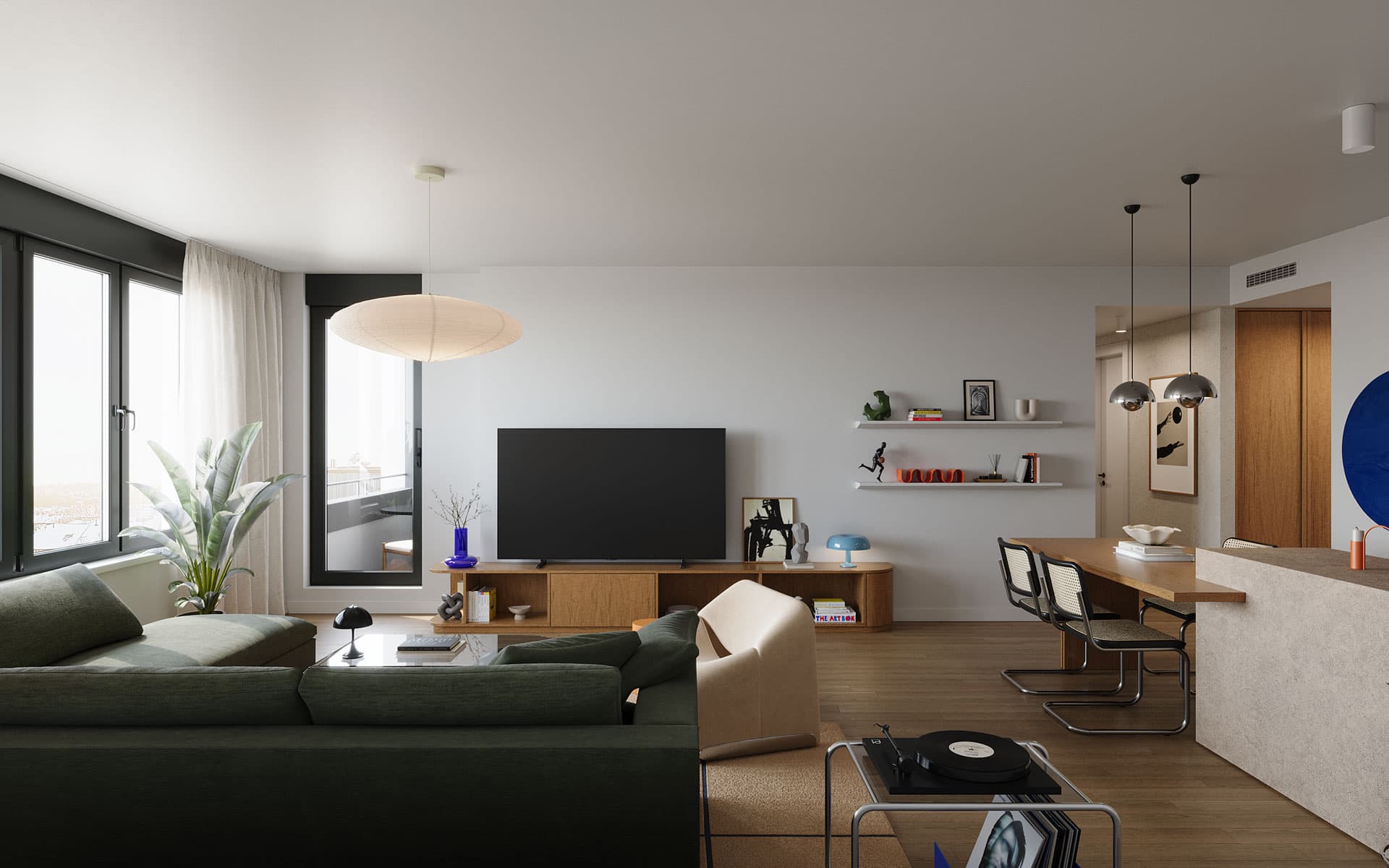
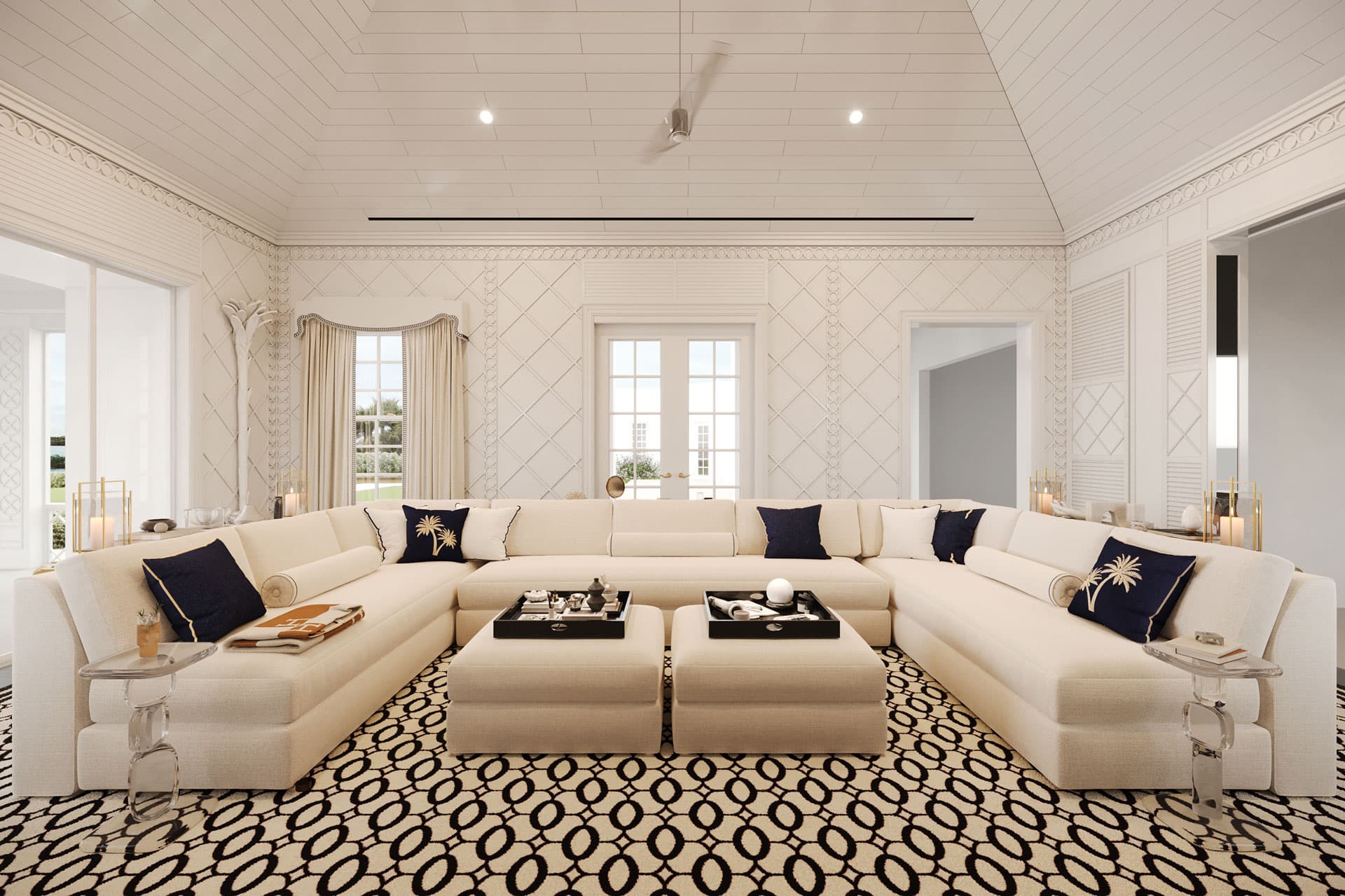
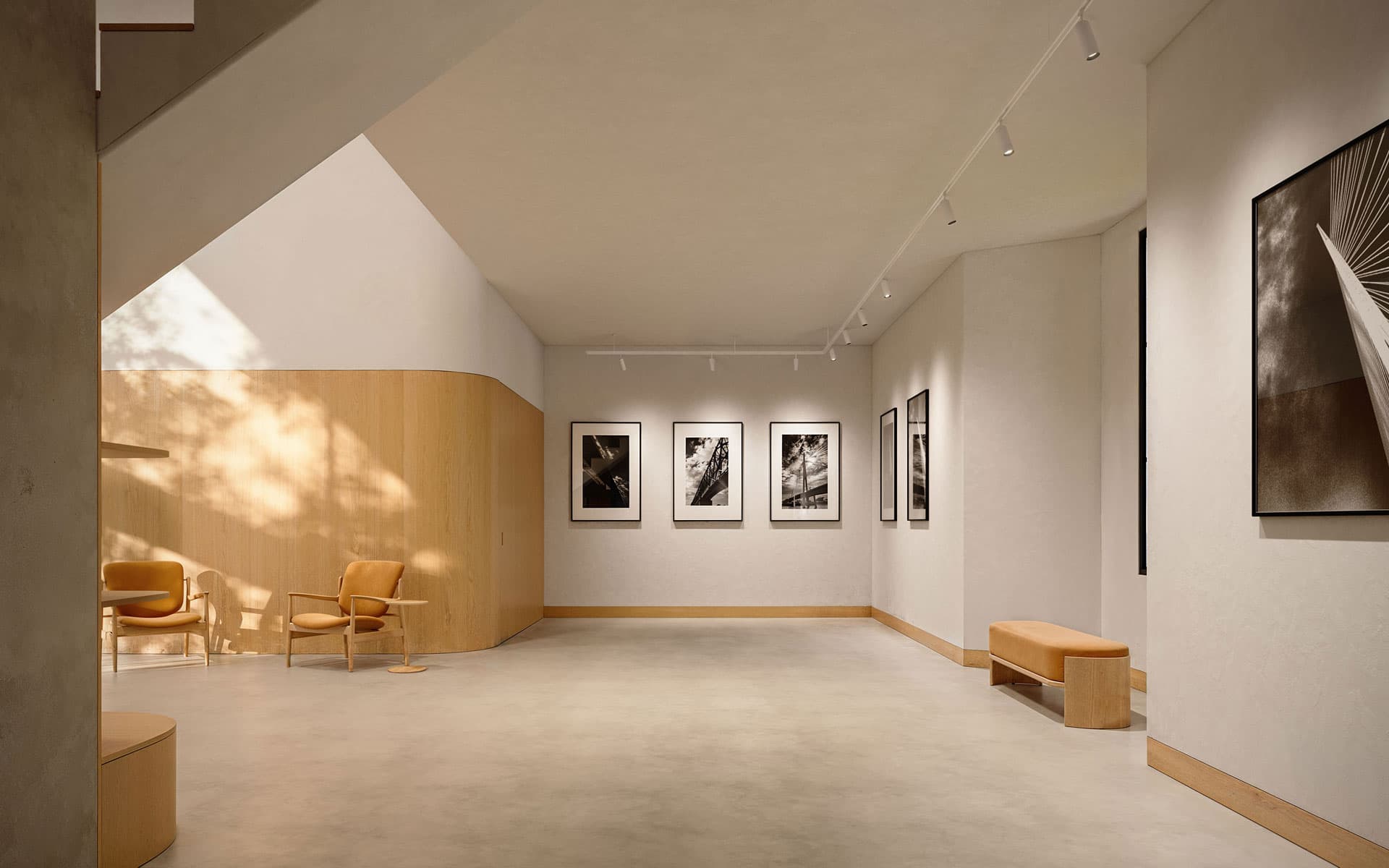
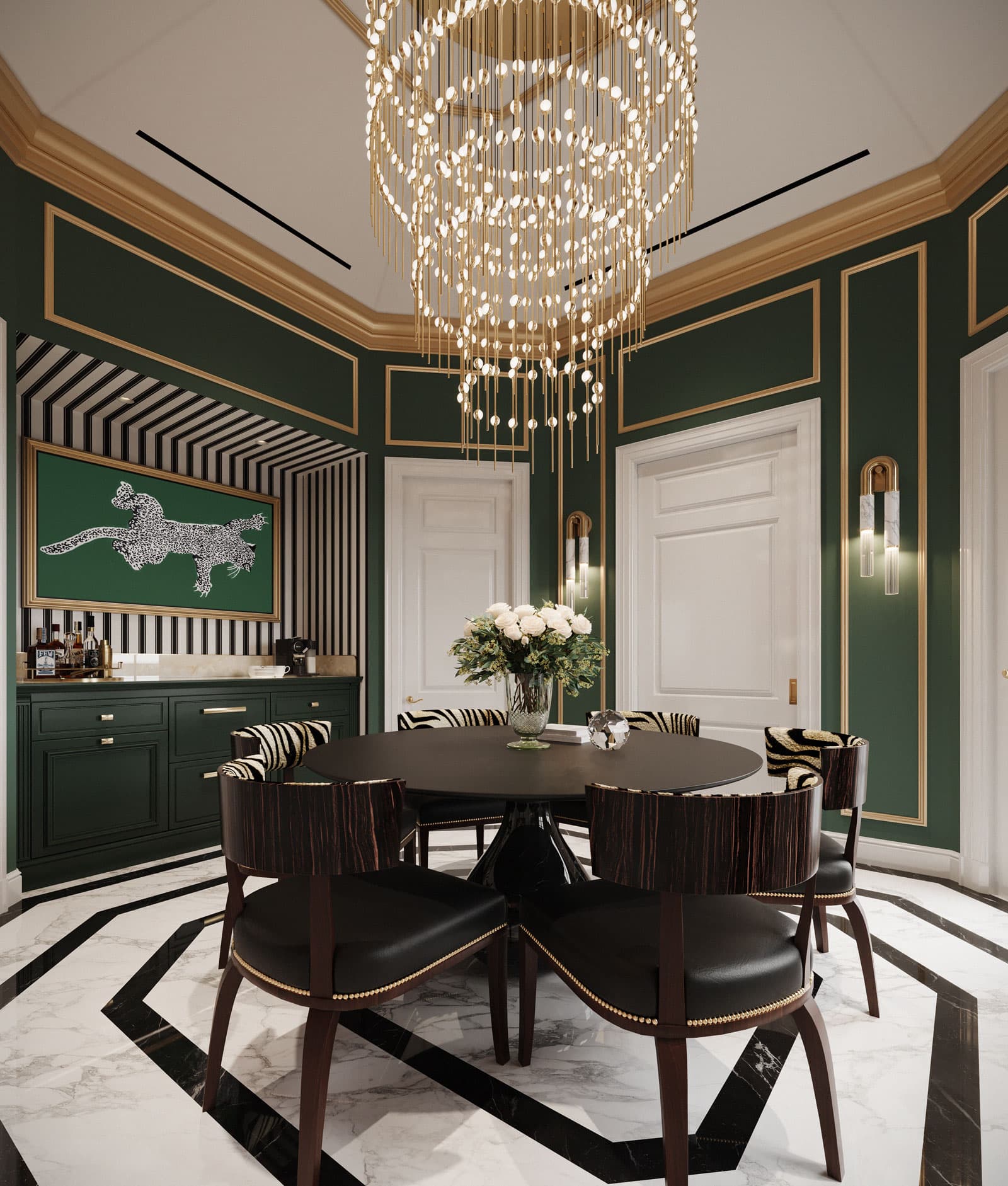
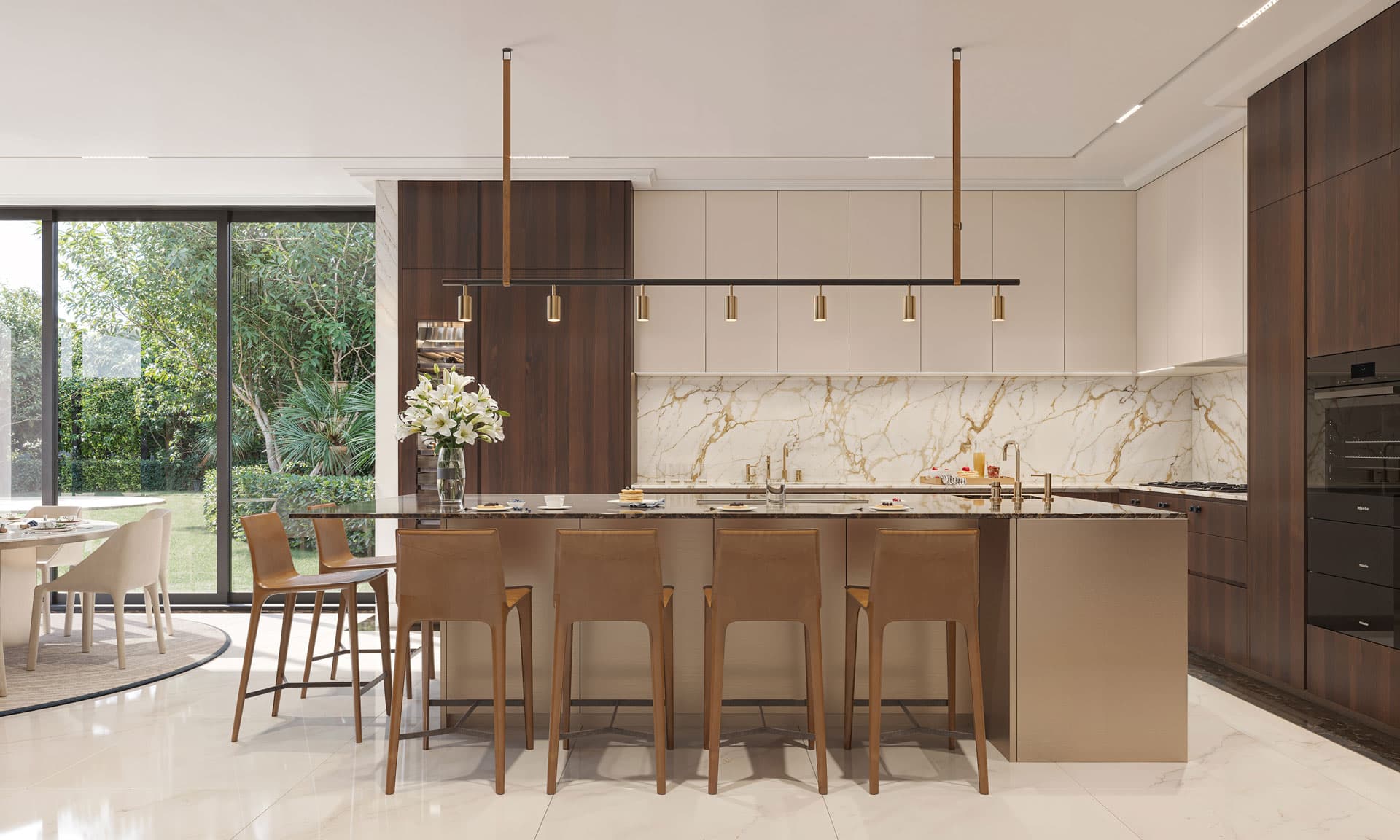
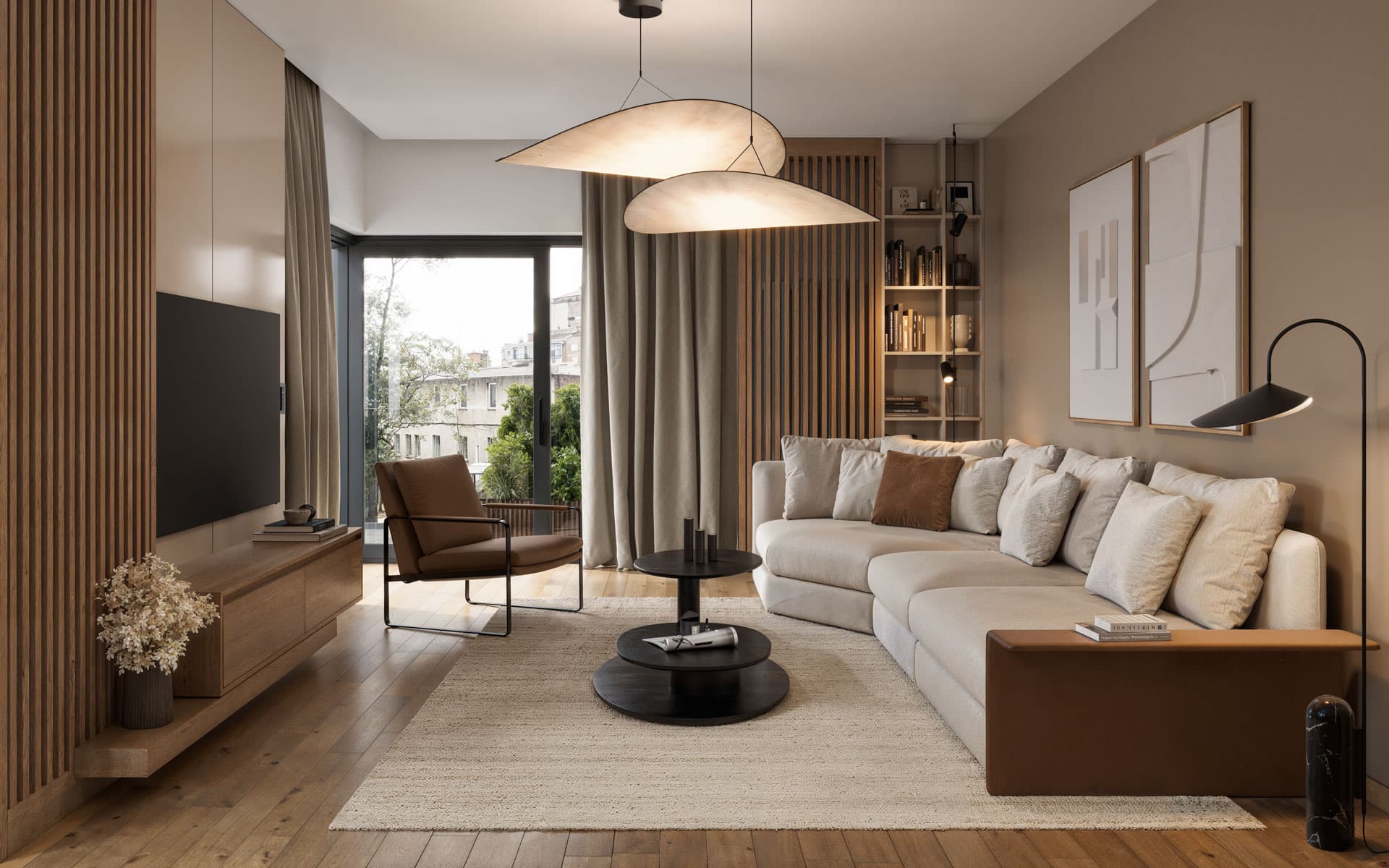
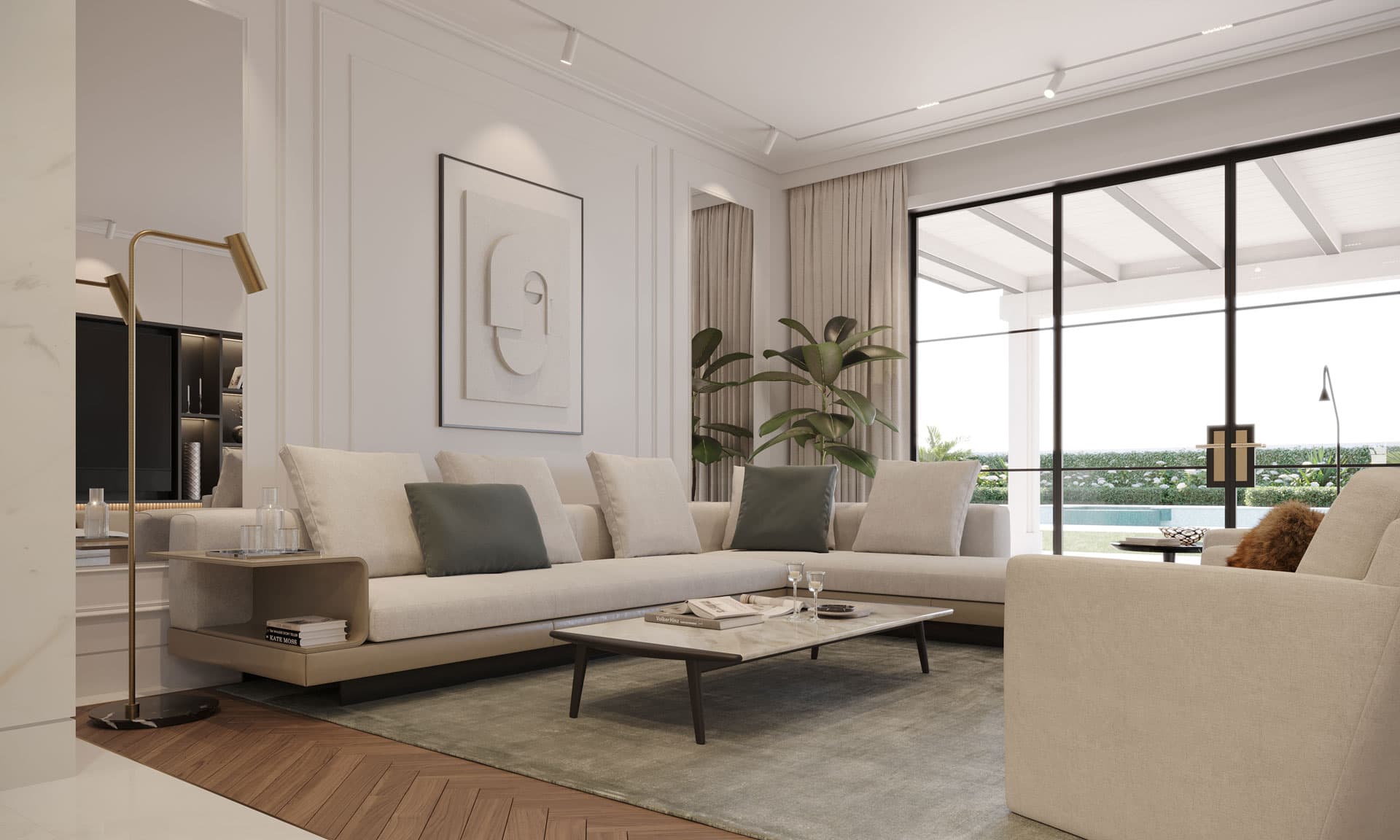
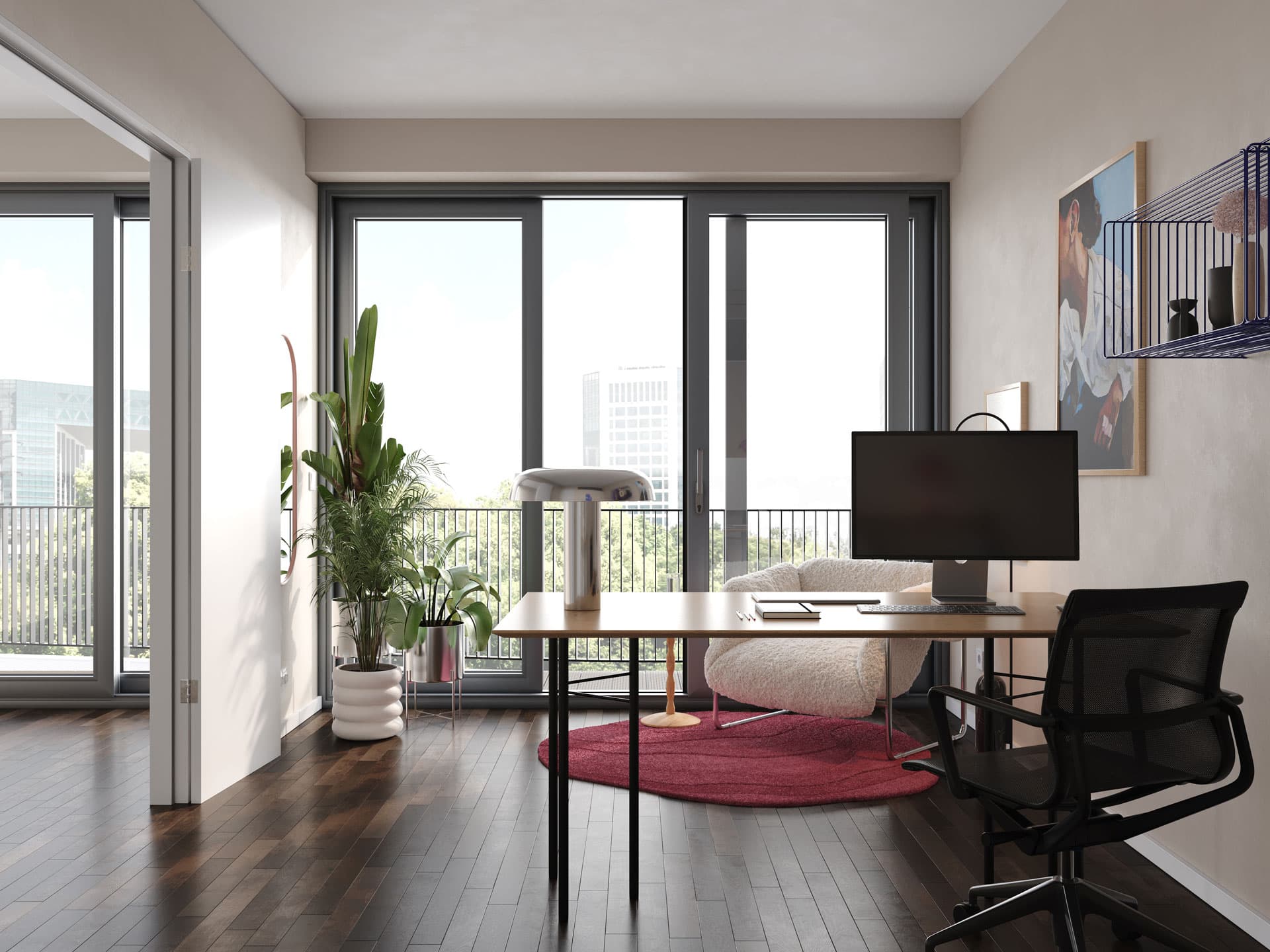
Our Projects
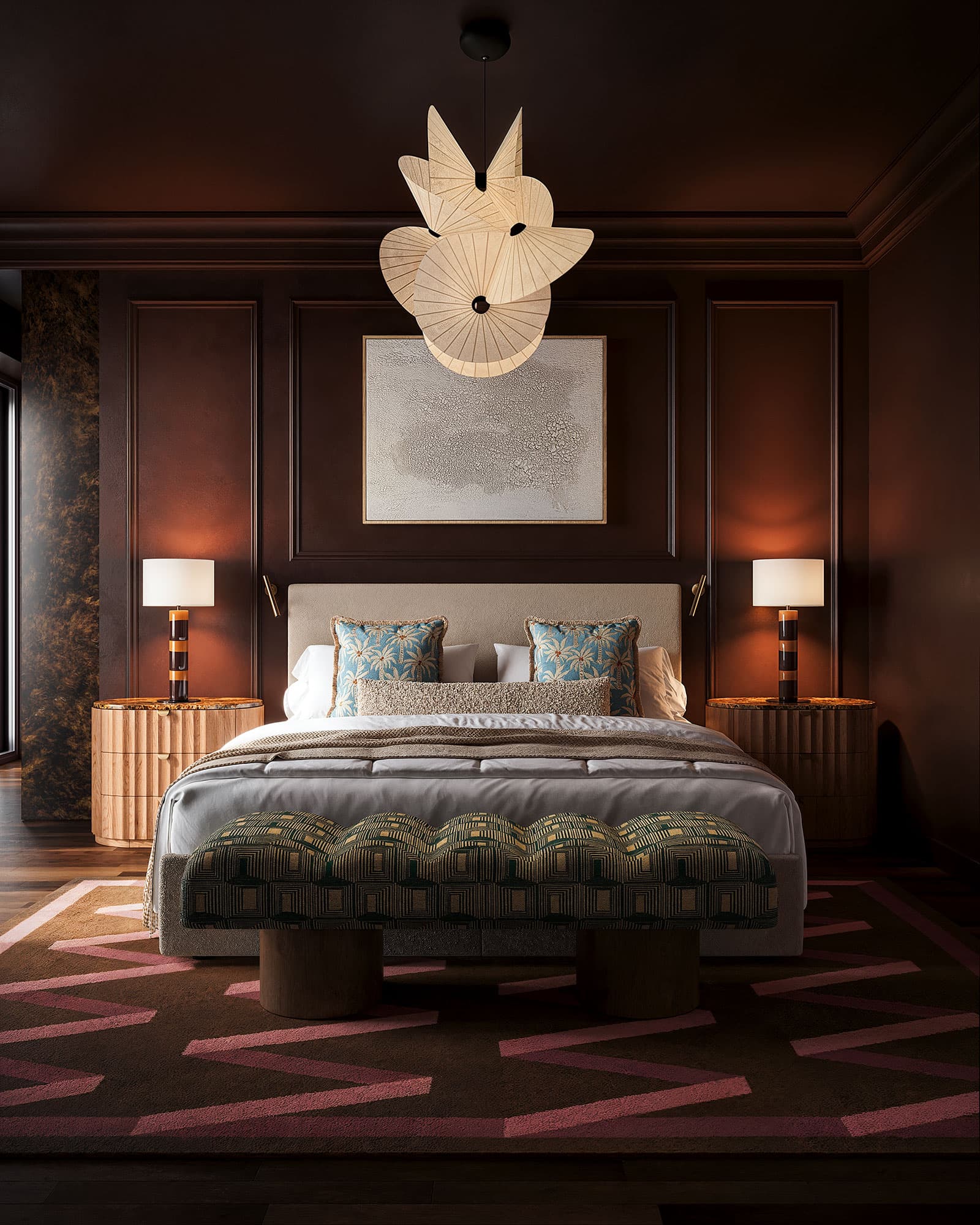
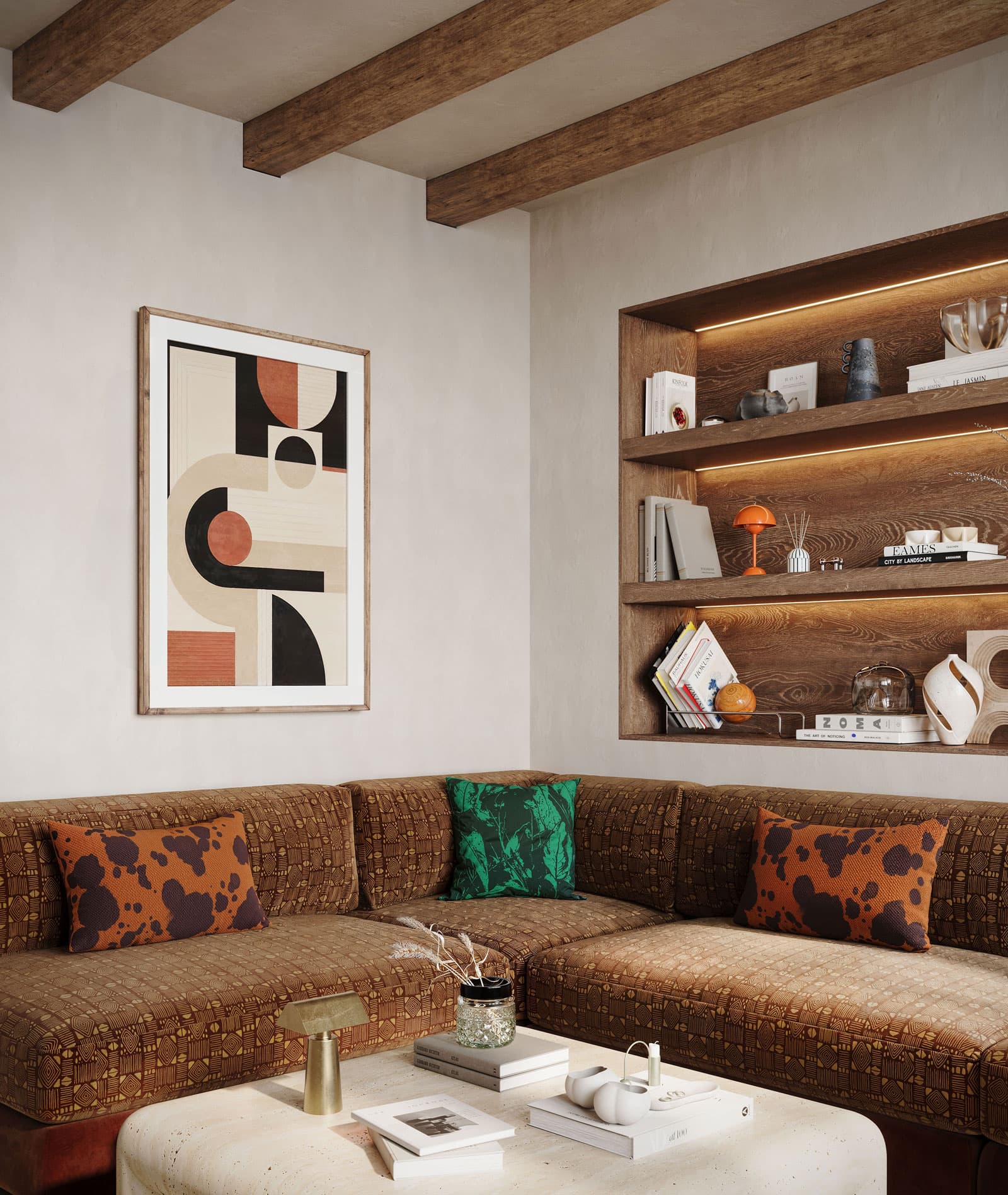
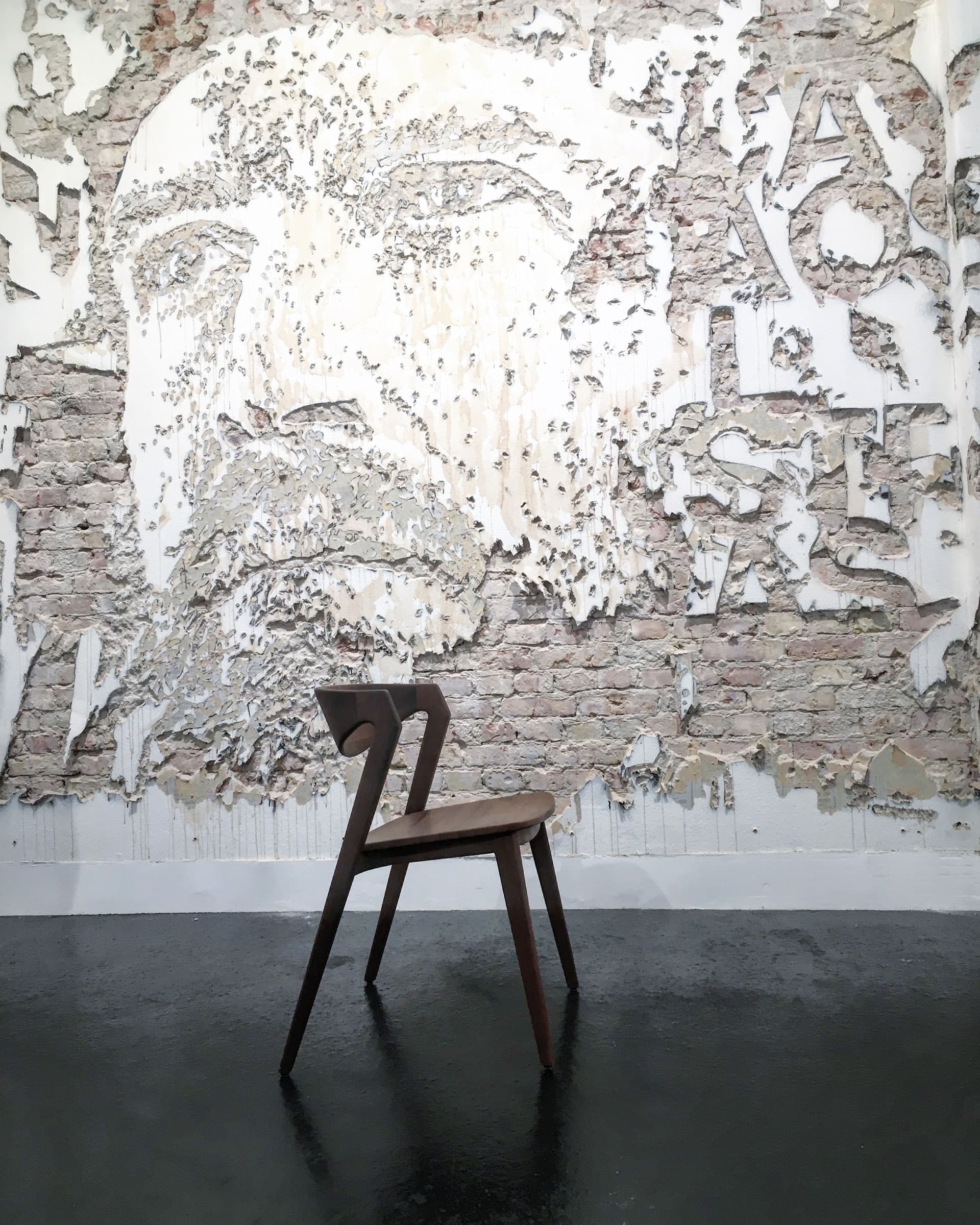
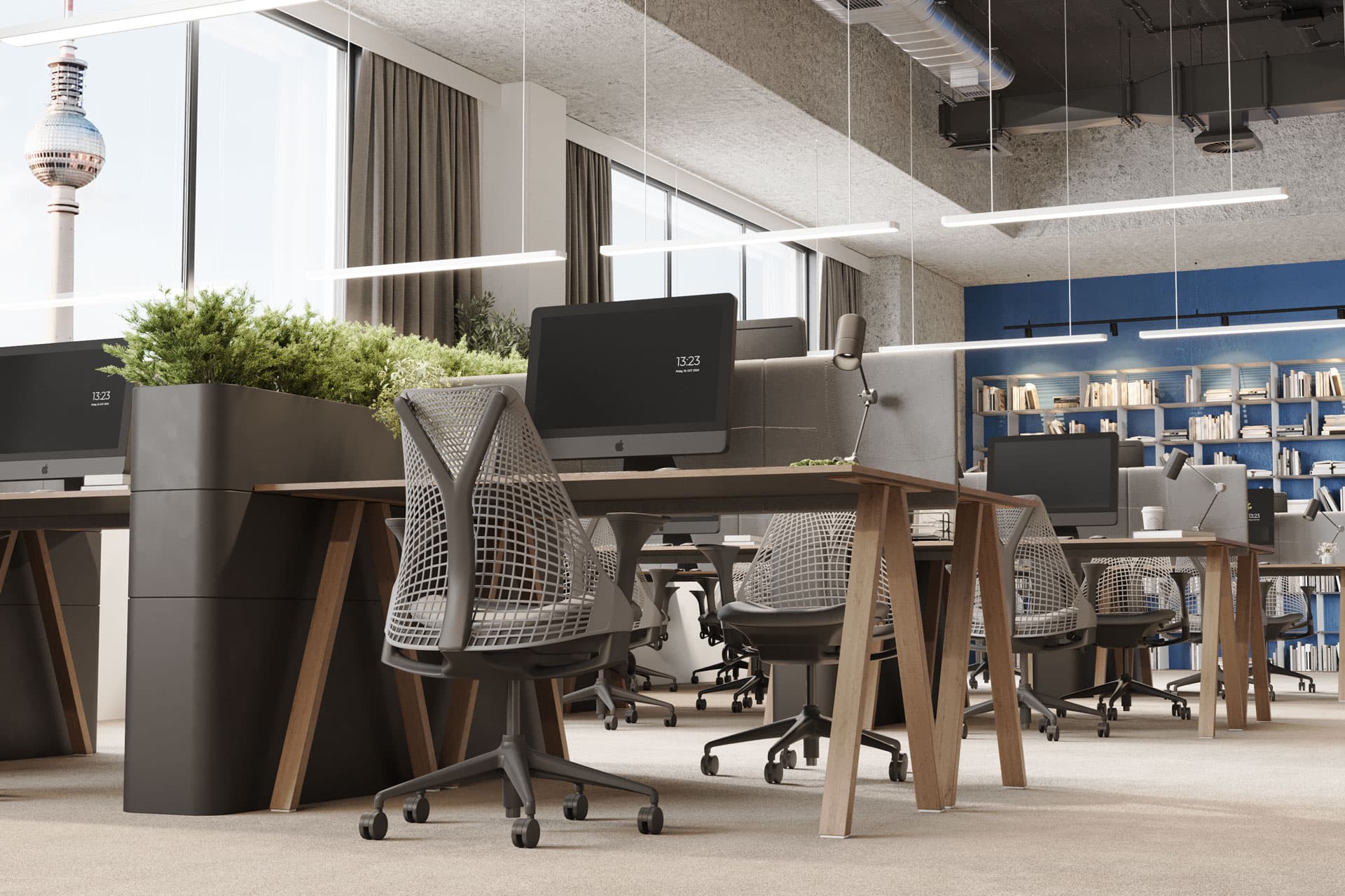
Where AI Interior Renderings Reach Their Limits
The same qualities that make AI images inspiring make them unreliable as plans. A generator is built to produce a convincing picture, not a room that can be measured, ordered and installed. The gaps are consistent enough that we can name them.
Proportion and Scale
AI renderings stretch and compress space freely. Sofas sit in rooms a metre wider than the real one, walkways disappear behind furniture, and a dining table seats eight in a space that holds four. In a Berlin Altbau with a ceiling of 3.5 metres or more, the error often runs the other way: generators flatten tall rooms into standard proportions and lose the vertical generosity that makes them special. Every piece has to be redrawn at real dimensions before anyone falls in love with it, which is the first step of our Altbau interior design work.
Materials That Do Not Exist
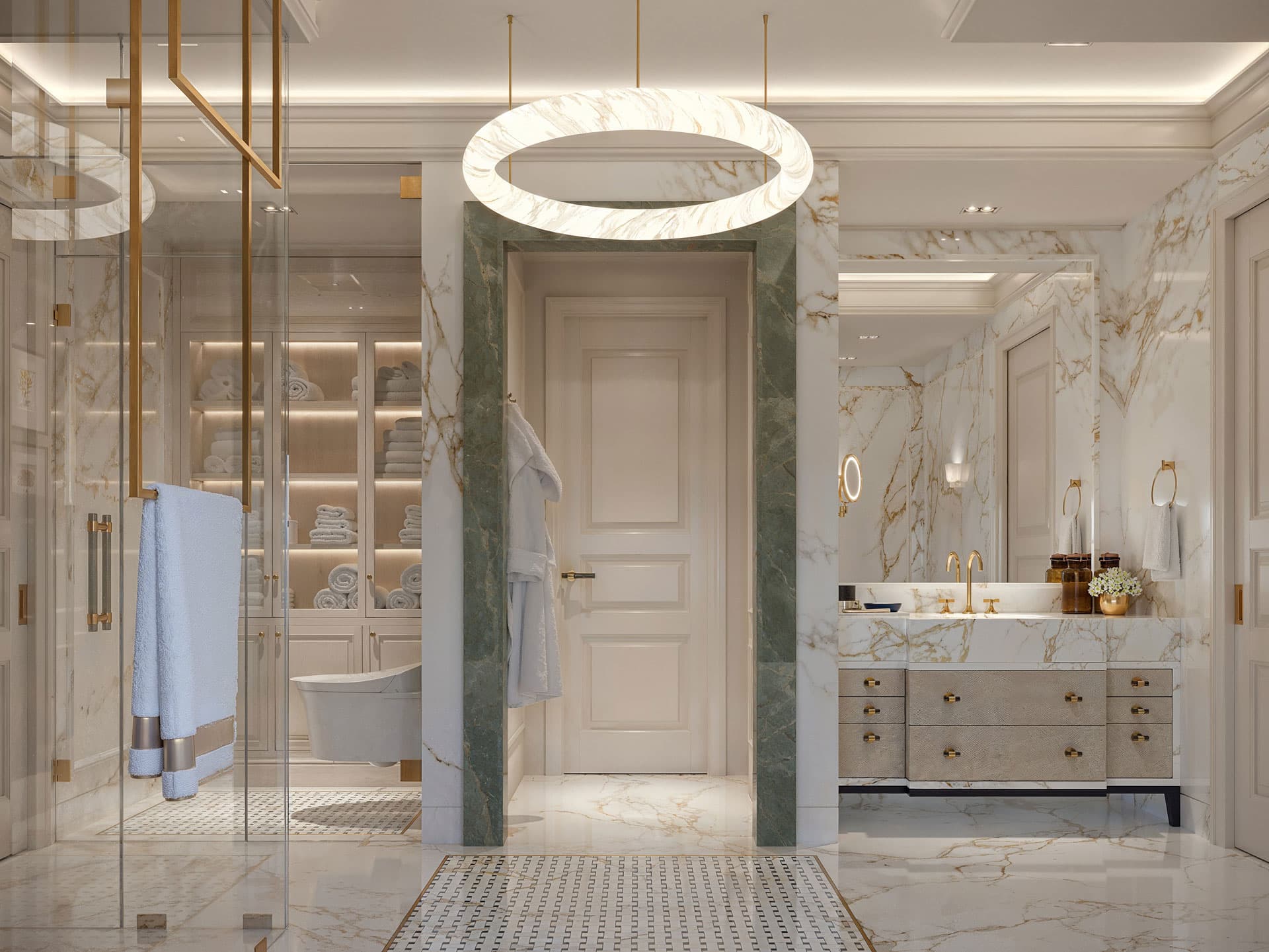
A generated surface can look like marble, oak and plaster at once. Veining runs in impossible directions, wood grain wraps around corners without a joint, and one colour shifts across a wall in a way no paint can reproduce. The image still carries a valid instinct, usually a wish for warmth, depth or texture, but the specification has to come from real samples held in the room's actual light. Our guide to timeless materials explains how we choose them.
Light Without Sources
AI rooms glow from nowhere. There is no visible fixture, no cable, no ceiling cavity, just perfect, even light falling exactly where it flatters the furniture. Real rooms need circuits, recessed profiles, drivers and switching, all planned before walls are closed. The atmosphere a client loves in a rendering is almost always achievable, but only through deliberate concealed lighting design.
Everything Outside the Frame
An image does not know your budget, your landlord, your lead times or your building. It does not know that a kitchen island needs a drain and power, that bespoke upholstery in Germany takes eight to fourteen weeks, or that an owners' association must approve changes to common property. None of these constraints is visible in a picture, and all of them decide what gets built.
What We Keep: Translating AI Inspiration Into Real Decisions
The limits do not make the images less valuable. They change what we take from them. Our work is to keep the intention of each image and replace its execution, one decision at a time.
From Generated Palette to Physical Samples
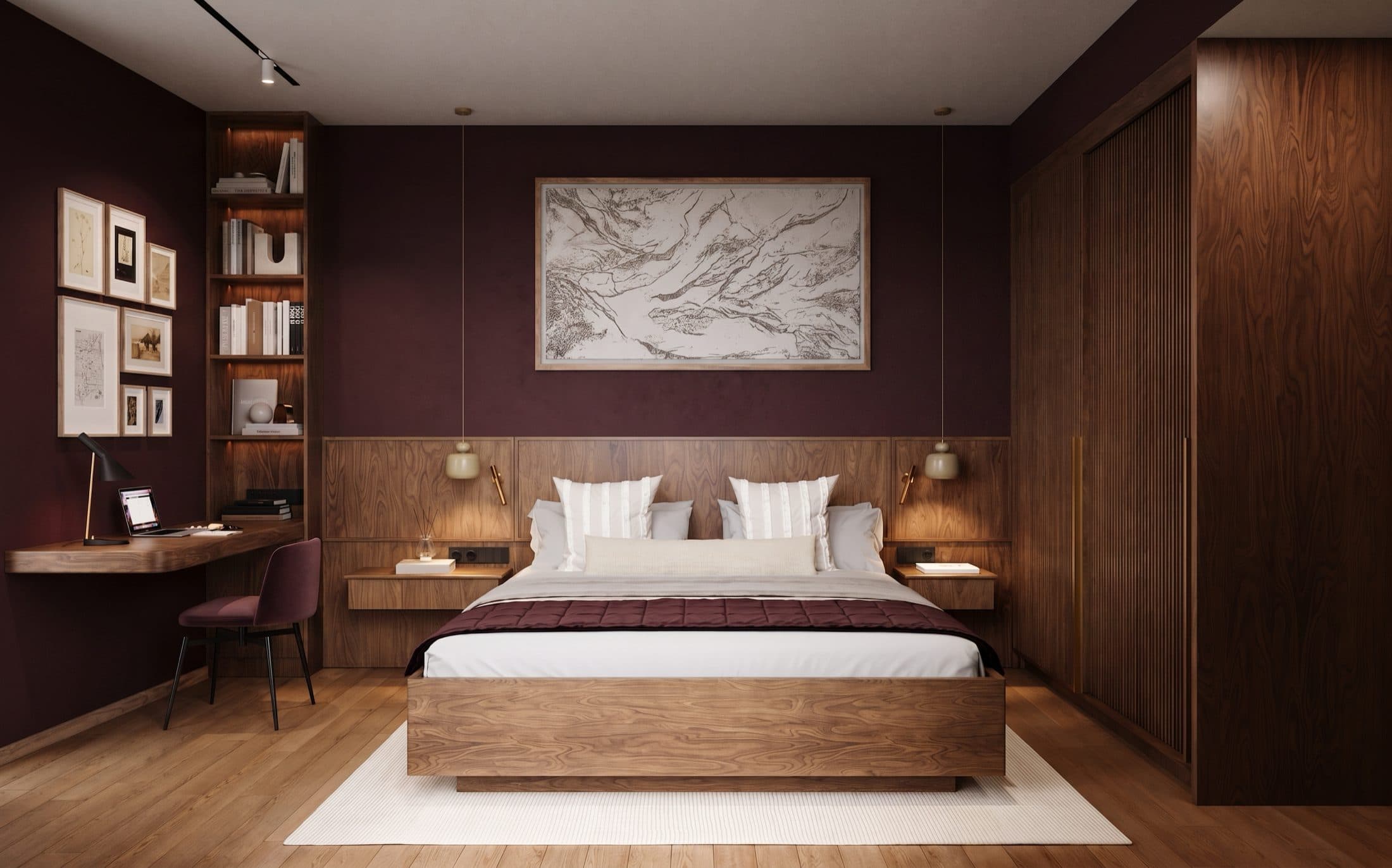
We pull the dominant colours from a client's images and match them to real paints, plasters and fabrics, then test them on site. In the Berlin Bedroom, the final wall colour was chosen by observing the room's northern light across a full day. A shade that looks soft on a screen can turn grey on a north-facing wall, and only a sample on that wall will show it. Samples are where an AI palette becomes a buildable one.
From Atmosphere to a Lighting Plan
If every favourite image is lit warm and low, the brief is clear: layered, indirect light with few visible fixtures. We translate that feeling into positions, colour temperatures and dimming zones, using the methods described in our guide to invisible lighting techniques. The client gets the glow of the rendering, with a source behind every beam of it.
From Silhouettes to Furniture That Exists
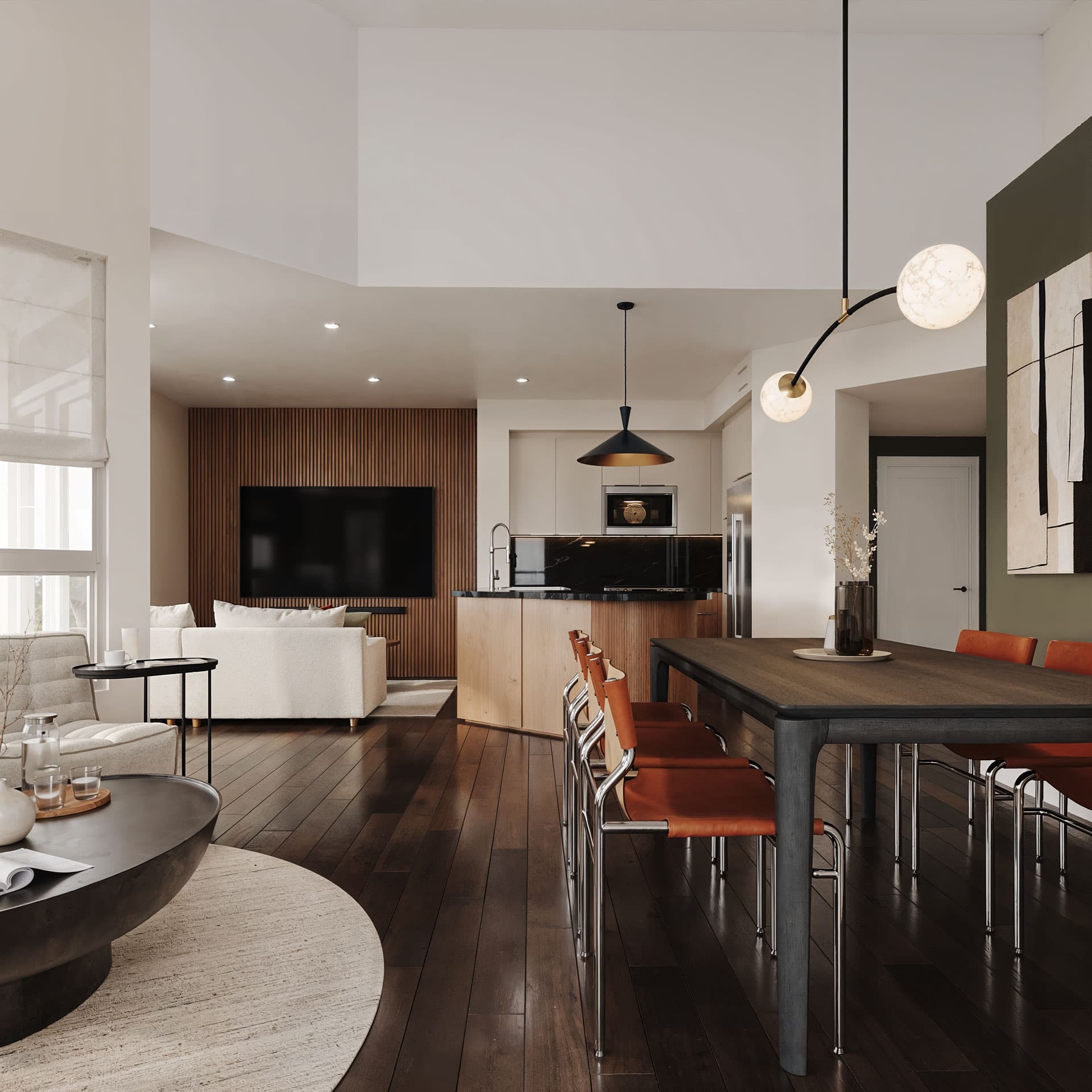
A generated armchair is a shape, not a product. We identify what the client responds to, a low back, a rounded arm, a visible timber frame, and find real pieces that carry the same character at the right size. Where the market offers nothing that fits, we draw it, much as we drew the custom white oak millwork that runs through the Midcentury Apartment, from the living room cabinetry to the home office.
The One Detail Worth Protecting
Most AI moodboards contain one element the client returns to in every version: a curved doorway, a stone kitchen, a deep green wall. We identify it early and protect it through every later compromise, because it is what the client will recognise as theirs when the room is finished. In the Dorcol Apartment, a travertine and warm wood kitchen holds a compact volume together as one composition. An anchor that strong lets the rest of a home stay quiet.
From AI Image to Executable Plan: How the Workflow Runs
Working with AI inspiration does not add a phase to our process. It shortens the first one. The sequence is the same as in every House of Nuances project, described step by step in our German guide to the interior design process:
- Consultation and image review: free, 60 to 90 minutes, on site or on video. We go through your AI images together and agree what to keep.
- Concept and moodboards: one week. We rebuild your moodboard with real materials, real products and physical samples.
- Layout and spatial planning: one to two weeks. Measured floor plans and elevations replace the AI's imagined proportions.
- 3D visualisation: two weeks, including revisions. Renderings of the real room, at real dimensions, with real products.
- Selection and ordering: one week. Every item is specified, quoted and ordered.
- Delivery and installation: set by manufacturers' lead times. Custom-built pieces are scheduled individually for each project.
The difference between our renderings and an AI image is accountability. Our 3D visualisation shows the actual sofa in your actual room at its actual size, lit by fixtures that are already on the electrical plan. What you approve on screen is what arrives, and nothing in the picture has to be explained away later.
Why AI Moodboards Are an Advantage, Not a Shortcut
It would be easy for a design studio to dismiss AI images as naive. That misses what they offer. Using them as a starting point is a new way of working, and like any new method it needs someone who understands its limits, but the advantages are real:
- A faster, more precise brief: clients show rather than describe, and images are far less ambiguous than words like "cosy" or "minimal", which mean something different to everyone.
- Fewer revision rounds: when the direction is clear from the outset, the first concept lands much closer to the target.
- Clients who own the result: people who have generated their own images arrive invested. They decide faster and with more confidence, because they recognise their own ideas in the plan.
- Honest conversations about budget: when a client sees how a generated marble wall translates into real stone and a real quote, the question of where to invest becomes concrete instead of abstract.
AI does not replace the designer, and it does not need to. It replaces the blank page. What it cannot do is measure a room, specify a finish, coordinate tradespeople or stand in the space at four in the afternoon to see where the light falls. That is where our interior design service in Berlin begins.
How to Prepare Your AI Moodboard for a First Consultation
If you have been generating images for your home, a little preparation makes them far more useful, to us and to you:
- Keep the rejects: save the versions you discarded, not only the favourites, with a word or two on why.
- Pick your top two: mark the images you would choose if you could keep only one or two.
- Add the real room: include daylight photographs of your space and rough measurements or a floor plan.
- Save your prompts: the words you chose reveal priorities the images sometimes hide.
- List what is fixed: the lease, the budget range, the move-in date and the pieces you are keeping.
If you are relocating, our guide for expats furnishing a Berlin apartment explains what German rentals usually lack, which is worth knowing before you generate the kitchen.
Frequently Asked Questions
Can an interior designer work with my AI-generated moodboard?
Yes. We treat an AI moodboard as a visual brief: we identify the palette, light, materials and details that recur across your images and translate them into real materials, furniture and a measured plan. The images save time in the briefing and in the concept phase.
Are AI interior design renderings accurate enough to build from?
No. AI renderings distort proportions, invent materials that do not exist and show light without sources. They are excellent for capturing a mood, but a buildable plan needs measured drawings, real product specifications and a lighting and electrical plan.
What is the best way to use AI for interior design?
Use it to explore and compare directions, not to finalise them. Generate many variations of your own room, keep the ones you reject as well as the ones you love, and bring both to a designer together with photographs and measurements of the real space.
How much does it cost to turn an AI moodboard into a real interior design plan?
At House of Nuances, design and furniture selection starts at €90 per square metre including VAT, covering the concept, 3D renderings and two rounds of revisions. A clear AI moodboard often shortens the briefing, but the fee is based on the space, not on the inspiration you bring. Our pricing page sets out the full structure.
Already have a folder of AI images for your home? Bring them to a free first consultation, and we will show you which ideas can be built, how, and at what cost. Or explore our projects to see where real plans lead.
Questions before you commit?
Ask us anything about scope, fees or timing. The first consultation is free, and you decide afterwards, with no obligation.