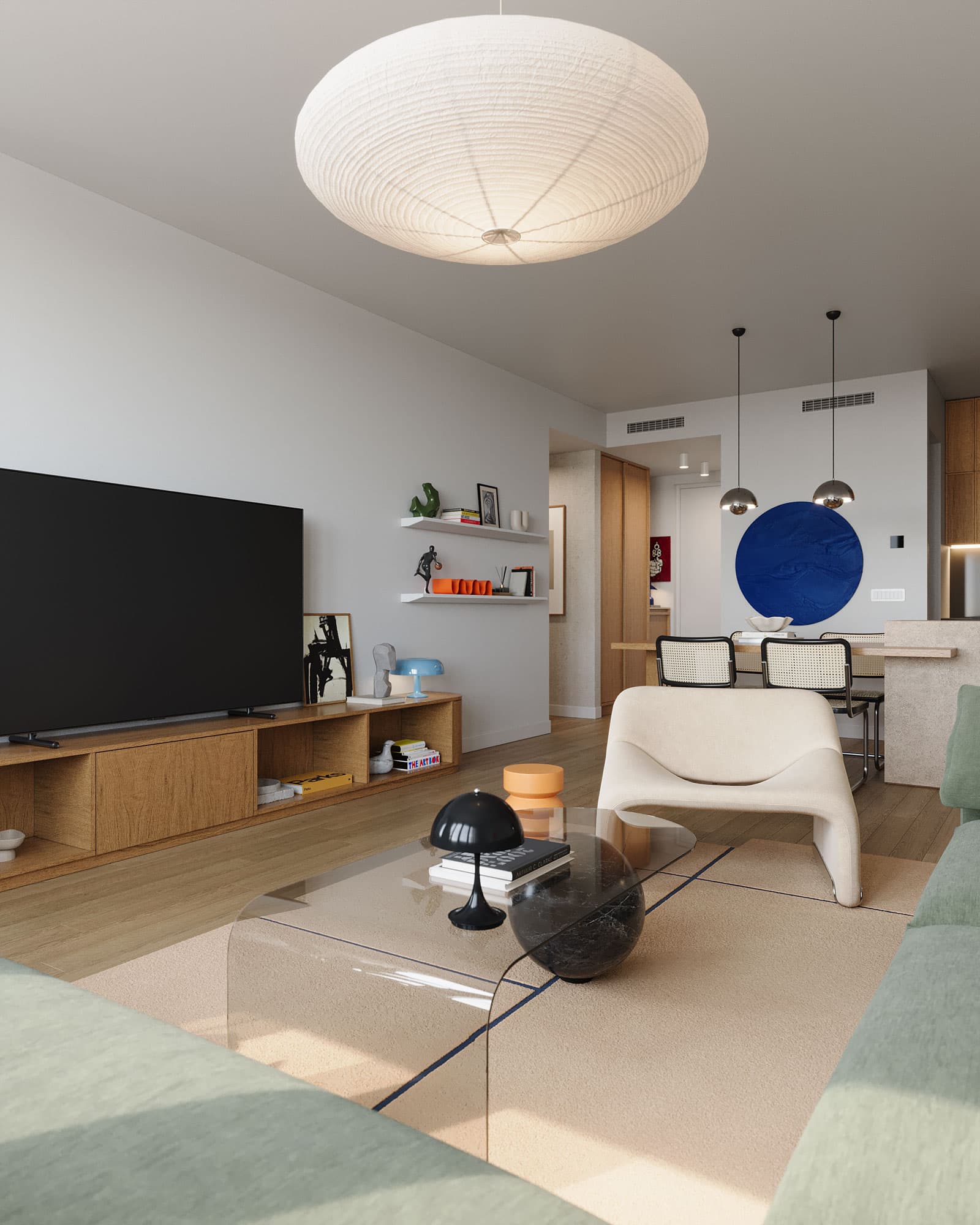
Interior Designer Charlottenburg Berlin
Book Your Free Call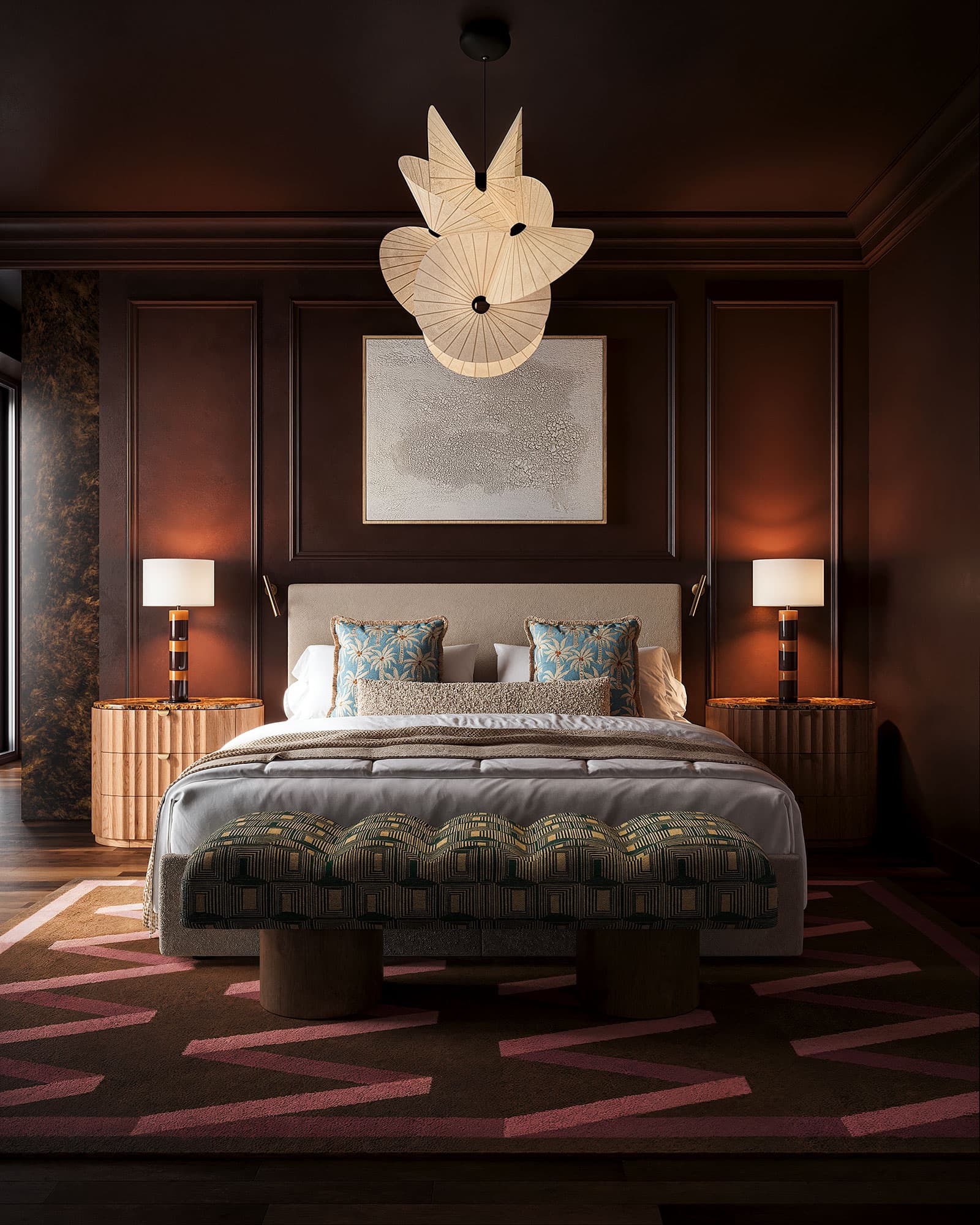
Interior designer Charlottenburg - at House of Nuances, you work directly with a senior designer throughout your project: not a junior team, not an account manager. We bring material precision, spatial intelligence, and a rigorous design process to apartments, villas, and commercial spaces across Charlottenburg-Wilmersdorf and the western Berlin districts.
Interior Design in Charlottenburg: What Sets Our Practice Apart
Charlottenburg is one of Berlin's most architecturally coherent districts. The Gründerzeit buildings along and around Kurfürstendamm - with their high ceilings, deep enfilades, and elaborate plasterwork - represent some of the finest residential stock in the city. Designing well in this context requires genuine familiarity with the building type: how its proportions work, where the structural constraints lie, what the original material palette was and how contemporary living can be accommodated without erasing what makes the buildings worth living in.
We have designed and refurbished apartments across Charlottenburg, Wilmersdorf, and Schöneberg. That experience shapes how we approach every new commission - we know which contractors understand Altbau work, which suppliers carry the right materials, and which planning constraints apply to listed and conservation-area buildings in the borough.
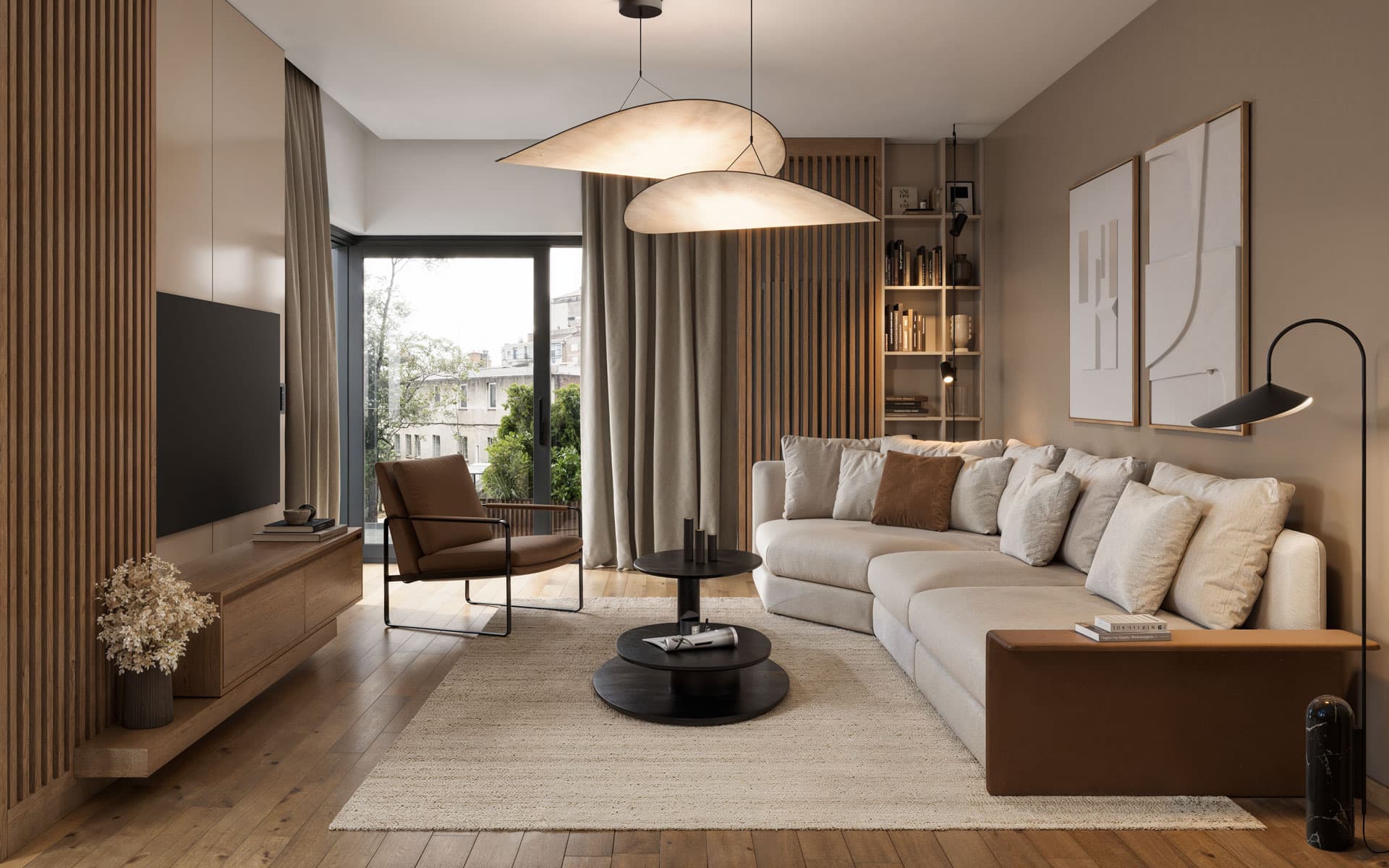
Charlottenburg-Wilmersdorf: Altbau Expertise Where It Matters
The Charlottenburg-Wilmersdorf borough concentrates a significant proportion of Berlin's pre-war luxury residential stock. Apartments here tend to be large by Berlin standards - 120, 150, 200 square metres is not unusual - with ceiling heights of 3.2 to 3.6 metres, original parquet in various states of preservation, and plasterwork that rewards careful restoration rather than covering.
This building type has specific design demands. Joinery needs to respect ceiling height - not merely reach it, but respond to it. Lighting design has to account for rooms with minimal wall socket provision and often no central ceiling point. Material selection must work with the inherent warmth and depth of existing surfaces, not fight against them. Our guide to Altbau interior design in Berlin goes deeper on these decisions, and our Midcentury Apartment project demonstrates how they translate in practice.
Material Language for Gründerzeit Apartments
The materials that work best in Charlottenburg Altbauten share a quality with the buildings themselves: depth, weight, and the capacity to improve with age. Natural stone - limestone, travertine, honed marble - belongs in these apartments not as a luxury gesture but as a material continuation of what was already there. Solid timber joinery, hand-applied lime plaster, precision brasswork: these are the choices that read as architecturally coherent rather than imported.
Synthetic materials - high-gloss lacquered cabinetry, engineered veneers, pressed-fibre boards - consistently fail against a Gründerzeit backdrop. They work against the depth of the original surfaces and date faster than the building changes around them. Our thinking on timeless material selection applies with particular force in this context.
Wilmersdorf, Schöneberg, and the Wider Western Districts
Our work in the western Berlin districts extends beyond Charlottenburg proper. Wilmersdorf - particularly the streets around Ludwigkirchplatz, Olivaer Platz, and the Volkspark - contains some of the quietest and most refined Altbau stock in the city. Schöneberg, immediately to the south, offers a more varied building mix with significant pre-war residential development alongside later twentieth-century construction.
Each sub-district has its own character, and we design accordingly. A commission in a Wilmersdorf villa requires different decisions than one in a Schöneberg apartment building from the 1920s - different ceiling heights, different proportional relationships, different structural constraints. We bring that specificity to every project rather than applying a single approach across the entire borough.
The Design Process
Every project begins with an initial consultation - in person at the property or via video for international clients. We discuss your brief, the existing conditions of the space, your timeline, and your budget parameters. From that conversation, we develop a concept document: spatial layout, material direction, lighting strategy, key furniture and joinery proposals.
Once the concept is approved, we move into detailed design and specification: technical drawings, supplier coordination, contractor briefing where required. For clients who want it, we offer full project management through the build phase, including on-site oversight and snagging. We also work as design consultants for clients who have their own contractors but want authoritative specification and design oversight. View our pricing overview for more detail on how fees are structured, or contact us directly to discuss your project.
Frequently Asked Questions
Do you work exclusively in Charlottenburg?
No - we work across all of Berlin and internationally. Charlottenburg-Wilmersdorf is one of our core areas because of the concentration of high-quality Altbau stock and the profile of clients it attracts, but we take commissions across the city and regularly work on projects outside Germany.
What is the minimum project size you take on?
We work on projects ranging from single-room redesigns to full apartment refurbishments and commercial fit-outs. For single-room or consultancy-only work, we typically offer a fixed-fee engagement rather than a full-service retainer. See our pricing page for a breakdown of how engagements are structured.
How is House of Nuances different from other interior designers in Charlottenburg?
We are a boutique studio: every project is handled by a senior designer, not delegated to a junior team. Our material knowledge is deep - we know our suppliers, their quality tiers, and their lead times. Our international portfolio brings reference points that purely local studios often lack. And we remain accountable to the brief through completion, not just through concept.
Ready to Get Started?
Schedule a free consultation with our team to discuss your vision and explore how we can bring your space to life.