Quiet Luxury Interior Design: What It Really Means in 2026
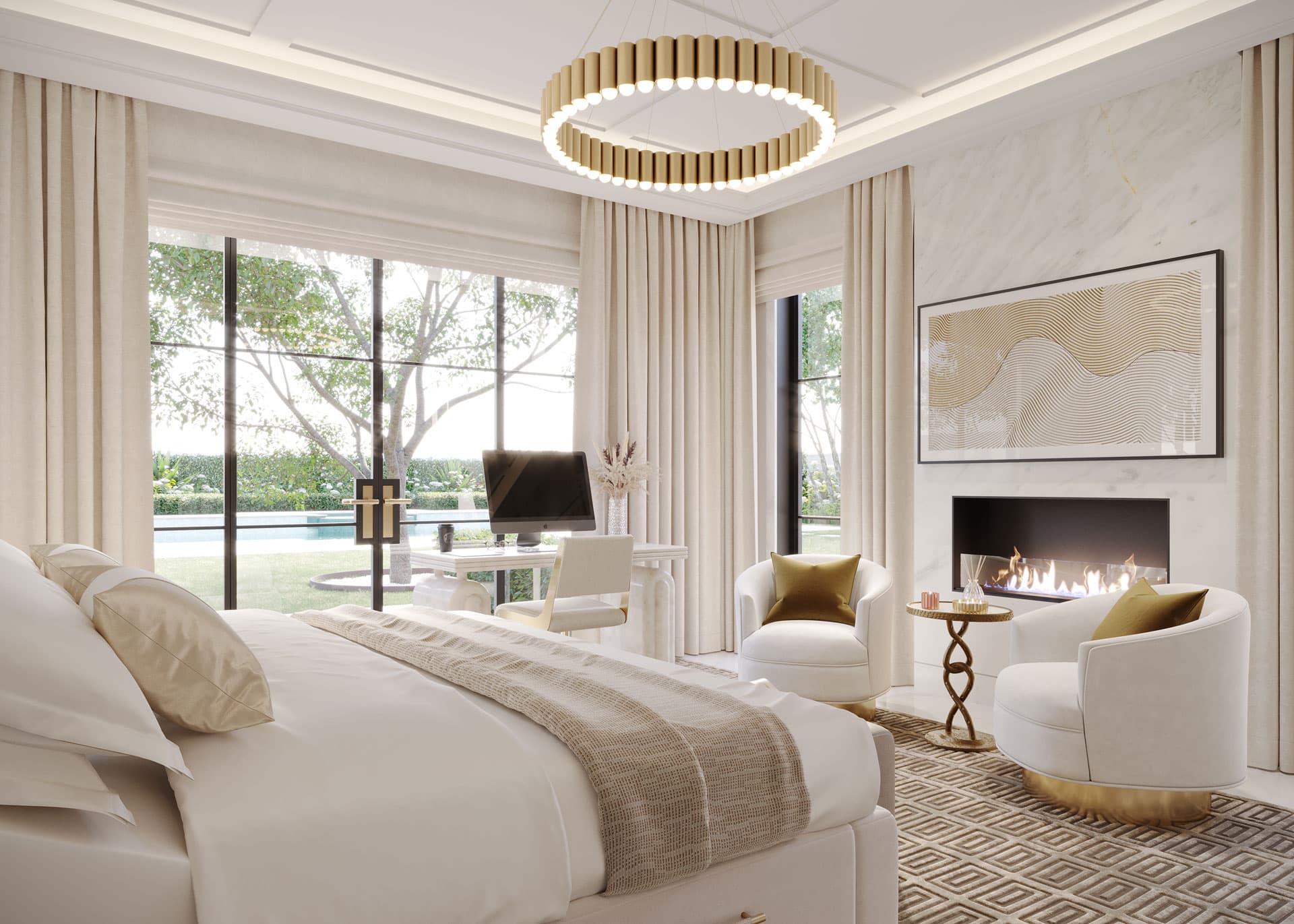
Quiet luxury interior design has become the defining aesthetic of 2026 - but the phrase is in danger of meaning everything and therefore nothing. Scroll through enough inspiration boards and you will find the label applied to everything from all-beige rental apartments to six-bedroom estates with hand-laid stone floors and custom limewash finishes. In some cases the description is accurate. In many others, it is a marketing convenience. What quiet luxury actually describes is a shift in how we understand value in residential interiors. Not louder, not more visible, not more obviously expensive - but deeper. Quality moves inward: into the weight of a door handle, the grain of an oak panel, the way plaster catches afternoon light.
Quiet Luxury Interior Design: Beyond the Trend Label
The phrase was borrowed from fashion - specifically from the conversation around understated dressing as a signal of real rather than aspirational wealth. In interiors, it arrived slightly later and has now framed the thinking of most serious studios working in the high-end residential market.
But quiet luxury in interior design is not new. What we now call quiet luxury is what serious European studios have practised for decades: the preference for natural materials over synthetic ones, for custom-made over mass-produced, for restraint as a compositional principle rather than absence as a convenient shorthand. The trend label is new; the underlying philosophy is not.
What has changed is the context. After years of interiors defined by visible brand signals - oversized light fittings as status objects, statement wallpapers, gallery walls that announce taste rather than embody it - there is a genuine appetite for spaces that do not try so hard. The result is a design sensibility that favours rooms that feel complete rather than curated, settled rather than styled.
The Material Foundation of Quiet Luxury
No discussion of quiet luxury is complete without addressing materials, because materials are where the philosophy lives or dies. The surface choices in a quiet luxury interior are not neutral backgrounds for furniture - they are the furniture, in a sense. The room is built from them.
Natural stone is central: limestone, travertine, marble with restrained veining, unlacquered slate. These materials age visibly and beautifully, developing character over time that no synthetic alternative can replicate. Stone selection is a primary design decision, not a specification afterthought. In our Calabasas Residence, warm-toned limestone flooring established the palette for the entire ground floor - every other material choice followed from it.
Solid hardwoods - oak, walnut, ash - remain the standard for joinery and flooring. The critical distinction in quiet luxury is finish: natural oil rather than polyurethane, wire-brushed rather than high-gloss. These finishes allow wood to behave like wood rather than a sealed, preserved surface. The grain becomes visible. The material breathes.
Venetian plaster and limewash are the wall treatments most associated with the current movement, and rightly so. Both create depth in a flat plane, shifting in tone as light moves through the day. A limewash wall is not monochrome; it is a surface that rewards prolonged attention. For more on selecting materials that compound in quality over time, our guide to timeless materials for lasting interiors covers the same principles from a longevity perspective.
Restraint Is Not Minimalism - The Key Distinction
One of the most persistent misconceptions about quiet luxury is that it is simply minimalism rebranded. It is not, and the distinction matters practically. Minimalism is a formal position: a resolved commitment to reduction, to negative space as an active compositional element, to the aesthetics of absence. Quiet luxury is not interested in absence - it is interested in depth.
A quiet luxury room can contain a lot: layers of texture, a considered mix of old and new, significant amounts of furniture. What it does not contain is noise. Nothing is there by accident, and nothing competes. The room is edited, not emptied. This distinction matters when briefing a design team - asking for quiet luxury and expecting minimalism will produce a mismatch between client expectation and delivered space.
Quiet Luxury in the Berlin Apartment Context
Berlin's residential architecture is, in many respects, ideally suited to quiet luxury interiors. The Altbau apartments that make up much of the city's pre-war stock come with the raw materials already in place: high ceilings, thick plaster walls, large windows that flood rooms with northern light, original oak parquet or stone floors. These buildings have material depth that new construction has to fabricate at considerable cost.
In our Midcentury Apartment project, we worked with the existing architectural character rather than against it. Custom white oak joinery was designed to complement the building's proportions. Wall colours - deep, warm, saturated - were chosen to make the architecture feel more present. The result is a space that reads as considered without any single element announcing itself as a design decision.
The instinct when working with period property is often to modernise: to strip a room of its architectural character and impose something contemporary. Quiet luxury inverts that logic. The period material and the new material are held in conversation, and the result is a depth that neither could produce alone.
Colour, Light, and the Architecture of Calm
Colour in quiet luxury is not the absence of colour. The palette moves away from cold whites and high-contrast schemes toward warmer, more complex tones: stone, clay, deep umber, dark forest green, soft chalky blue. These are colours that behave differently depending on the light source and time of day, and that variability is precisely their value.
Lighting determines whether quiet luxury succeeds or simply reads as expensive. Architectural lighting - integrated into coves, concealed behind millwork, built into floor details - keeps the ceiling clear and allows the room to be lit without fittings becoming visual objects. We explored this in our post on invisible lighting techniques, which examines how the most considered interiors conceal their light sources entirely. In a quiet luxury room, you notice the quality of light before you notice how it is produced.
What Quiet Luxury Is Not: Common Misapplications
The trend label has licensed a number of shortcuts that misrepresent the underlying design philosophy. All-beige is not quiet luxury - beige without textural variation is flat, not refined. A monochrome palette requires extreme attention to material and surface quality to avoid reading as either sterile or simply dull. The presence of tone-on-tone variation - the slightly cooler linen against the slightly warmer plaster, the matte finish next to the burnished one - is what creates richness within a restrained palette.
Buying quiet luxury furniture off the shelf is not quiet luxury. The aesthetic has inspired a large number of mainstream collections that use its vocabulary - curves, natural finishes, neutral palette - without the underlying material or construction quality. And quiet luxury does not mean no pattern: a single strong material pattern is entirely consistent with the philosophy. What it excludes is competing patterns, or pattern used to fill visual space that has not been earned.
How House of Nuances Interprets Quiet Luxury
At House of Nuances, the principles that define quiet luxury are not a trend response - they are the studio's foundational approach to residential design. We specify materials for their physical and temporal qualities: how they feel underhand, how they age, what they communicate about the permanence of a space.
In the Dorcol Apartment, we used unlacquered brass throughout the hardware and fixtures, knowing it would oxidise within months and develop a surface that cannot be purchased new. That living patina - the result of time and use - is something no showroom finish can replicate, and it is precisely what makes a room feel inhabited rather than installed. In the Berlin Bedroom, the brief was to remove everything that competed: to leave only what was necessary, and to ensure each necessary element was exceptional.
To discuss how these principles might apply to your project, contact our studio. Our project portfolio shows how this approach translates across different building types, scales, and geographies.
Frequently Asked Questions
Is quiet luxury interior design the same as minimalism?
No. Minimalism is a formal design discipline defined by reduction and the active use of negative space. Quiet luxury prioritises depth of material and intentionality of selection - a quiet luxury room can contain many objects, but none that are there by accident. The distinction is editing, not emptying.
What materials define a quiet luxury interior?
Natural stone with restrained veining, solid hardwoods with oil or wax finishes, venetian plaster and limewash walls, unlacquered metals, and natural textiles including heavy linen, wool, and cotton velvet. The consistent factor is that all these materials age visibly and gain character over time rather than simply showing wear.
How does quiet luxury differ from high-end interior design generally?
Quiet luxury is a specific philosophy within high-end design - one that prioritises material depth and restraint over visual spectacle. Not all expensive interiors are quiet luxury; many high-specification rooms use their budget to maximise visual impact rather than invest in materials that communicate themselves subtly. The distinction is intentional.
Can quiet luxury work in a smaller apartment?
Yes - and smaller spaces often demonstrate the philosophy most clearly. A 70m² Berlin apartment with exceptional stone, well-detailed joinery, and architectural lighting will feel more refined than a 200m² space furnished with lesser quality throughout. Scale is not a prerequisite for this approach.